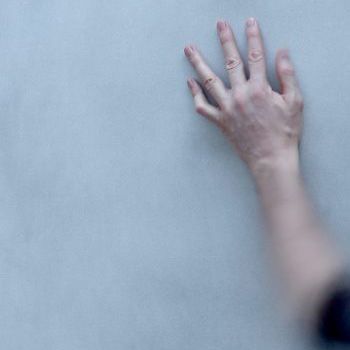
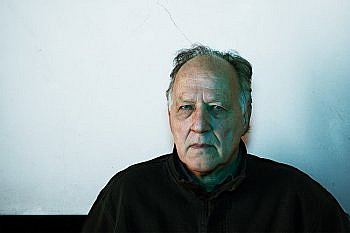
Joy Gregory, Autoportrait, 1989–1990
Joy Gregory: Catching Flies with Honey, will be the first major survey show of the artist, Joy Gregory (b.1959, UK), winner of the eighth annual Freelands Award and one of the UK’s most innovative artists working with photography today.
Spanning four decades, this landmark exhibition brings together over 250 works encompassing photography, film, installation and textiles, all of which showcase and celebrate Gregory’s inventive, culturally resonant and materially rich practice. Since the early 1980s, Gregory has been a pioneering force in contemporary photography, playing a critical role in its development nationally and internationally.
Using visual seduction to draw audiences into deeper conversations, Joy Gregory’s work challenges reductive expectations around what Black or feminist art should look like, asserting instead a need for nuance. Her work explores identity, history, race, gender and societal ideals of beauty, while expanding photography’s aesthetic and material possibilities. Gregory employs a diverse range of media and methods, encompassing Victorian photographic techniques such as cyanotypes and kallitypes, as well as digital media and performance. Conceptually rigorous and visually seductive, Gregory’s work invites important reflection on power structures, representation and cultural memory. The exhibition’s title comes from the proverb, ‘you catch more flies with honey than vinegar’, a phrase that Gregory’s mother used to say to her. It encapsulates her approach to art as political ‘with a small p’; her intimate, visually pleasurable and poetic works encouraging nuanced rather than polemical discussion.

Joy Gregory, Autoportrait, 1989–1990

Joy Gregory, Autoportrait, 1989–1990
Catching Flies with Honey opens with a selection of Gregory’s early self-portraiture. These works establish key themes that resonate throughout Gregory’s practice: visibility, erasure and self-definition – the active process of asserting one’s own identity in response to cultural stereotypes and exclusion. Autoportrait (1990) features carefully cropped ‘portraits’ of Gregory depicting fragments of her face, lips, eyes, hands and head, showing how beauty and identity can be constructed through the camera’s gaze. The Honeymoon Project (1990–1992) offers a more introspective take on self-portraiture, through an intimate series of images more focussed on internal concerns than the physical exterior; a way of exploring personal hopes and desires. A further series, Women and Space (1987–1999) situates the female figure within domestic interiors and can be linked to later works that explore place, identity and narrative.
Other projects presented in the lower Gallery are Objects of Beauty, which uses accessories associated with beautification (1992–1995), The Handbag Project (1998–present) and Girl Thing (2002–2004) which reflect Gregory’s interest in using the social construction of femininity and beauty as a form of resistance. In Girl Thing, items including silk bras, corsets and handkerchiefs are presented as cyanotypes – ghostly, blue-hued prints that question how femininity is encoded through everyday objects.

Joy Gregory, Cadiz from the series ‘Cinderella Tours Europe’ 1997–2001

Joy Gregory, Candy Stripe Bathing Costume from the series ‘Girl Thing’ 2002–2004

Joy Gregory, Bridge of Miracles, Venice from the series ‘Cinderella Tours Europe’, 1997–2001, Fuji Crystal Archive Print © Joy Gregory

Joy Gregory, Comb from the series ‘Objects of Beauty’ 1992–1995

Joy Gregory, Daucus Carota (Carrot) from the series ‘The Invisible Life Force of Plants’, 2020, Cyanotype. © Joy Gregory

Joy Gregory, Eyelashes from the series ‘Objects of Beauty’ 1992–1995
A series of images made in 2004 during an artist residency at the Lunuganga Estate in Sri Lanka – an isolated, rural retreat once home to architect Geoffrey Bawa – capture the stillness and introspection of Gregory’s time there will also be on display. Taken in the aftermath of her father’s death, the photographs, The Gardens, The Gardeners, Interiors and Scanned plants reflect a sombre, meditative mood shaped by solitude, grief and the dense tropical landscape. Meanwhile, I’m Home (2018) explores themes of belonging, domesticity and migration through intimate studies of interior spaces and treasured family objects. Grounded in the diasporic experience of Gregory’s Jamaican-born parents, the series reflects on the complex emotional terrain of ‘home’.
Upstairs, visitors enter a dedicated gallery space given over to Gregory’s expansive project The Blonde (1997–2010), a playful and piercing meditation on racialised standards of beauty. This includes a film, photographs, relics and documentation of blonde icons and archetypes such as the ‘Bottle Blonde’ and the ‘Celebrity Blonde’.

Joy Gregory, Kalahari (Red Earth) 2005–2010

Joy Gregory, Manuel Pina (Portraits – from ‘Memory and Skin’) 1998

Joy Gregory, Little or no breeze from ‘Seeds of Empire’ 2021

Joy Gregory, Kalahari (Magdalena Runs) 2005–2010
In the photo series Cinderella Tours Europe (1998 – 2001), a pair of golden slippers embark on a ‘Grand Tour’ of iconic and frequently photographed landmarks. The work is informed by conversations and interviews conducted by Gregory in the Caribbean; the shoes are a cipher for the formerly enslaved and colonised people of that region – most of whom are denied access to such spaces. The journey through Europe is an unattainable dream.
The exhibition continues with a series of Gregory’s ambitious multimedia works, including Memory and Skin (1998), which Gregory has described as a ‘story-telling space for the past, present and future; the personal and political’. It maps the fragmented and contradictory relationship between Europe and the Caribbean. Seeds of Empire (2021), is a project made in collaboration with composer Philip Miller, combining still and moving image, drawing, text and sound. The work takes is cue from the 17th century physician, naturalist and collector Sir Hans Sloane. Sloane journeyed to Jamaica in 1687 and his findings constitute the foundation of The British Museum, amongst other national collections. Seeds of Empire together with the embroidered and printed textile The Sweetest Thing (2020), draw on Gregory’s extensive research into the slave trade and colonial histories.
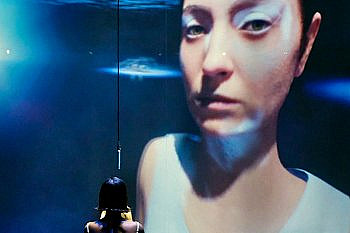
Catching Flies with Honey will host the premiere of Joy Gregory’s newly commissioned film, shot in the Kalahari Desert, South Africa. Made in a 20 year-long collaboration with the San People, the work deepens Gregory’s long-standing interest in language, landscape and resilience.
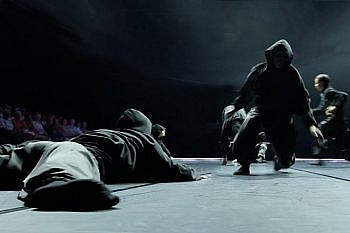
An additional and free element to the exhibition is the restaging of Gregory’s participatory project, Fierce and Fearless (2022). Housed in the Archive Gallery this immersive installation, including a marquee inscribed with characters from myths and legends, offers “a tented environment of comfort and joy” – an active and participatory space for storytelling, workshops and sharing.
The exhibition will be accompanied by a new richly illustrated monograph surveying Gregory’s forty-year career, including essays by leading scholars who situate her practice as a vital contribution to global discourses on race, gender and the politics of seeing.

Joy Gregory, Phillippa from the series ‘Fairest’ 1999–2010

Joy Gregory, Schinus Molle (California Pepper Tree) from the series ‘The Invisible Life Force of Plants’ 2020

Joy Gregory, Zara from the series ‘Fairest’ 1999–2010

Joy Gregory, Pink Silk Chiffon from the series ‘Old Clothes’ 2007–present

Joy Gregory, Stockwell Siren from the series ‘Celebrity Blonde’, 2001, performance © Joy Gregory
About Joy Gregory:
Joy Gregory is a graduate of Manchester Polytechnic and the Royal College of Art. She has developed a practice which is concerned with social and political issues with particular reference to history and cultural differences in contemporary society.
As a photographer she makes full use of the media from video, digital and analogue photography to Victorian print processes. In 2002, Gregory received the NESTA Fellowship, which enabled her the time and the freedom to research for a major piece around language endangerment. The first of this series was the video piece Gomera, which premiered at the Sydney Biennale in May 2010.
She is the recipient of numerous awards and has exhibited all over the world showing in many festivals and biennales. Her work included in many collections including the UK Arts Council Collection, Victoria and Albert Museum, Institute of Modern Art, Brisbane, Australia, and Yale British Art Collection. She currently lives and works in London.
Joy Gregory: Catching Flies with Honey
October 8, 2025 – March 1, 2026 / Whitechapel Gallery, London, UK
Visit the website >