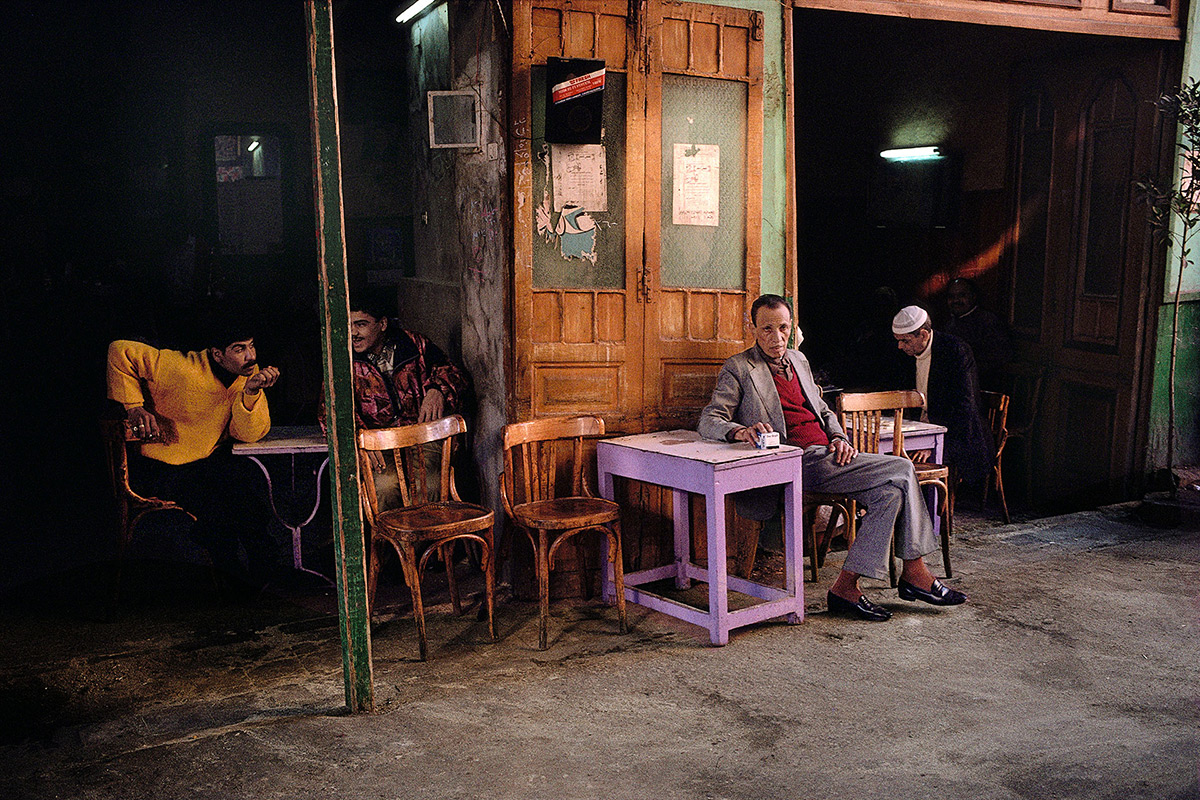
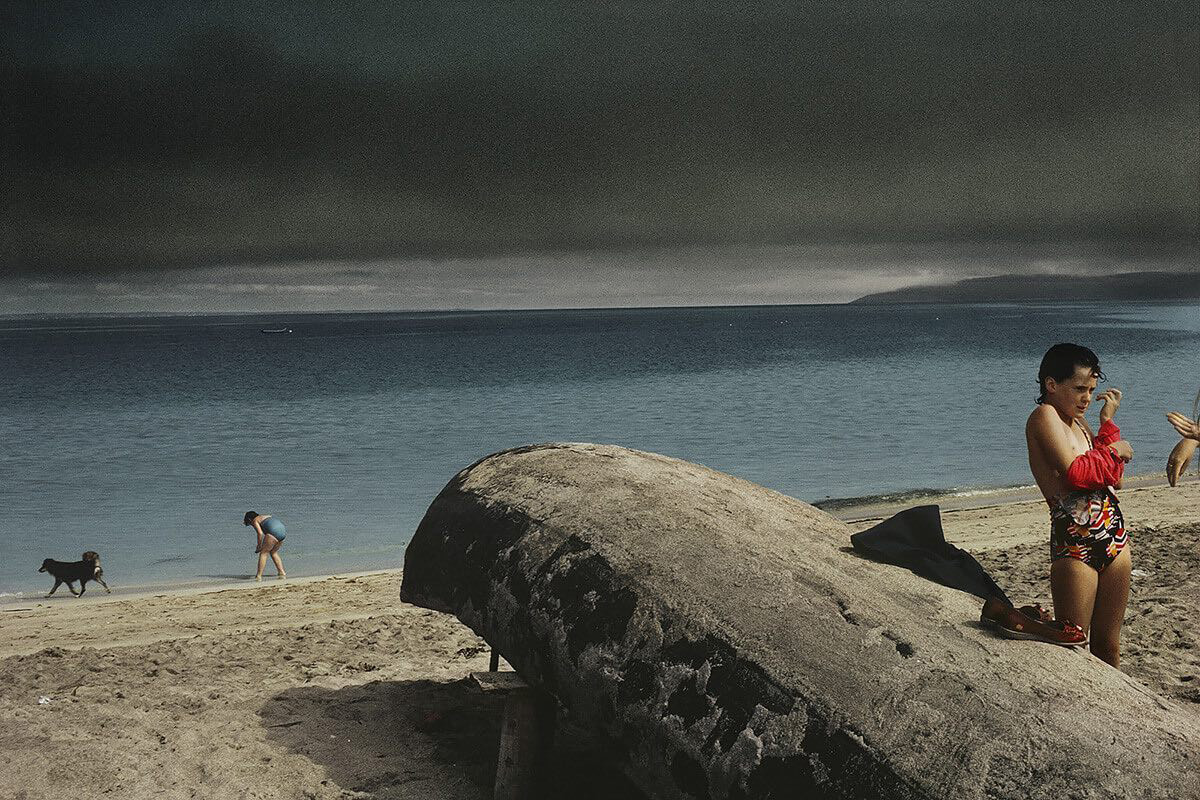
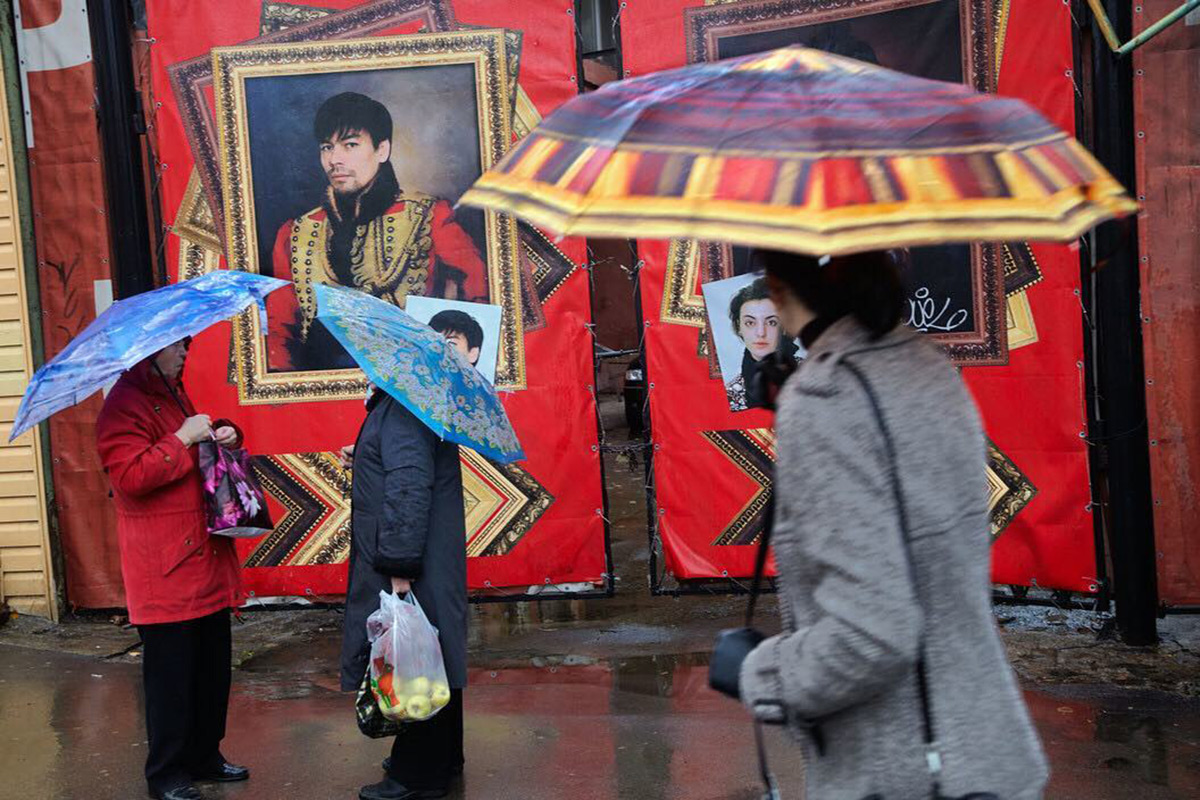
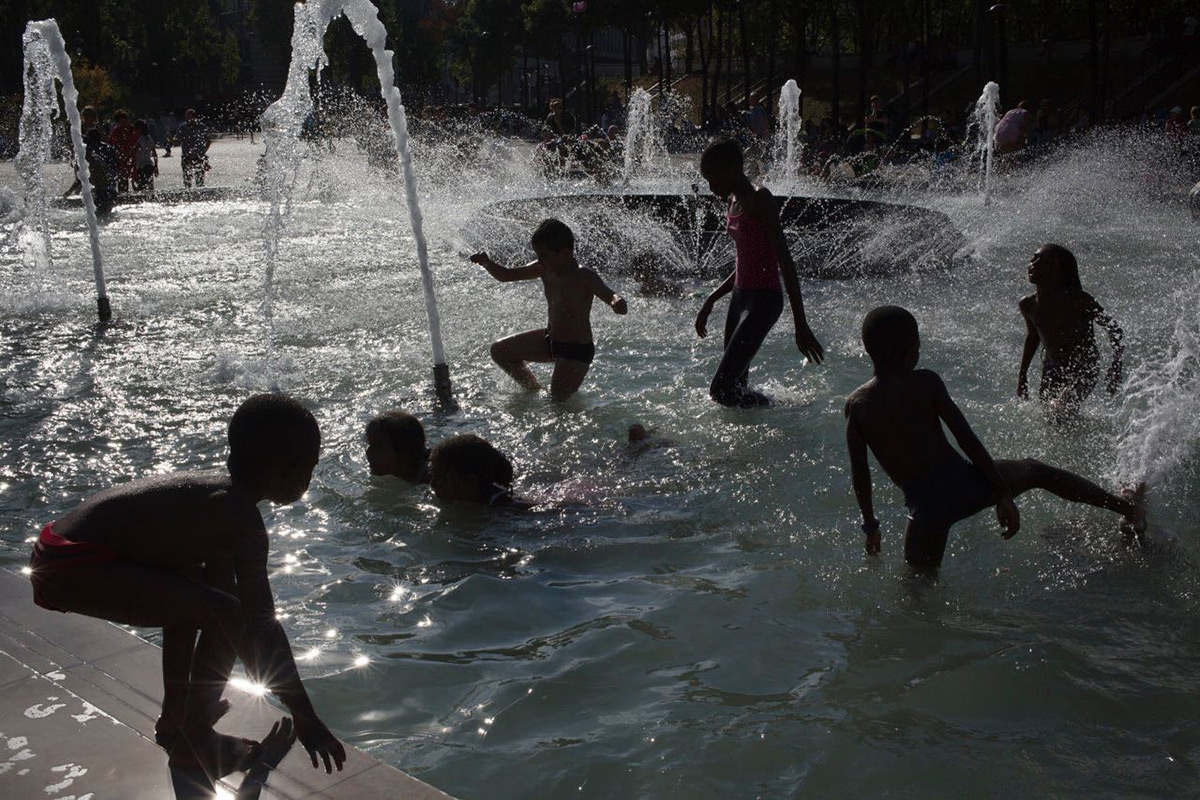
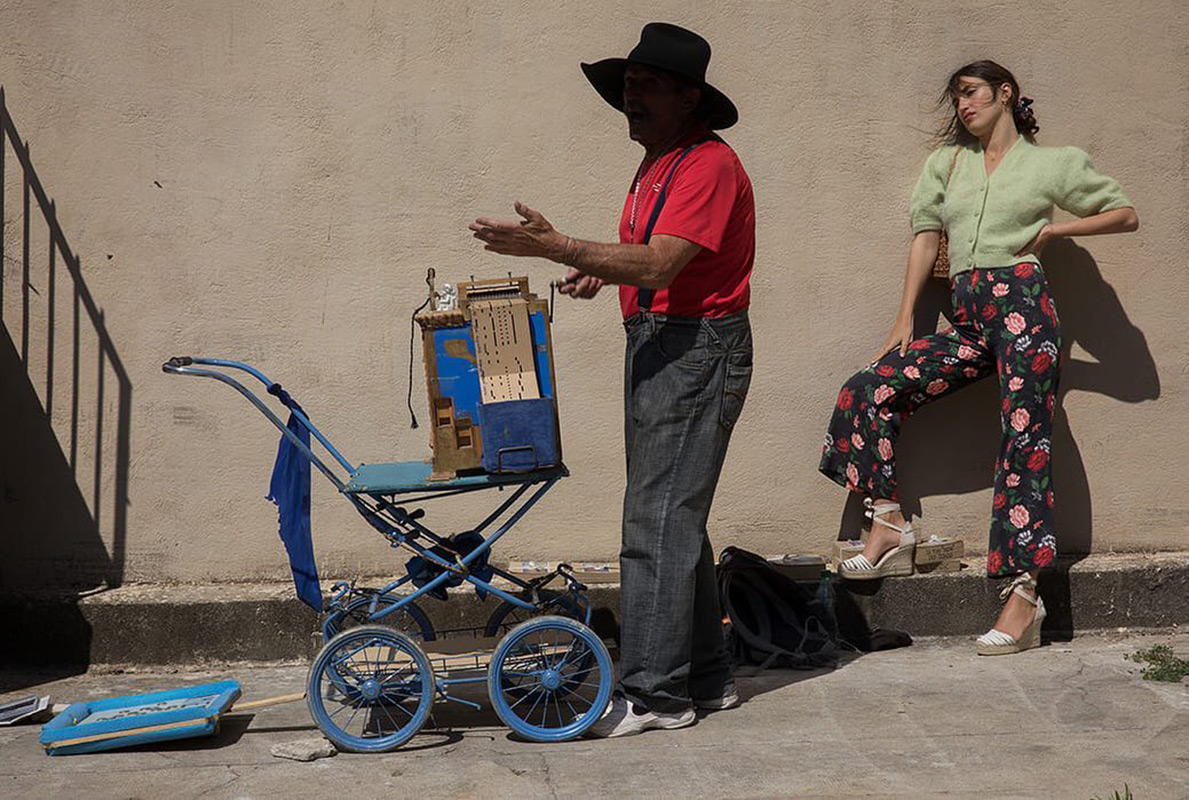
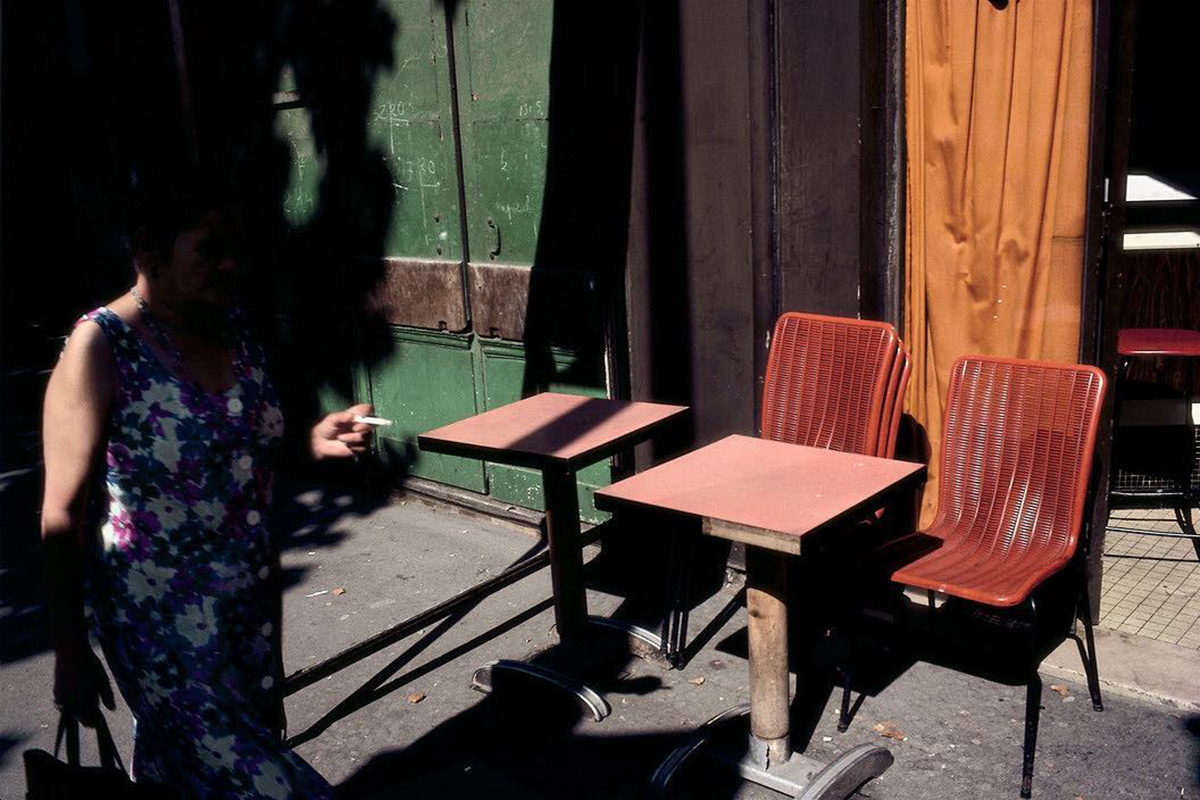
© All images are Courtesy of Harry Gruyaert and Magnum Photos
RELATED ARTICLES

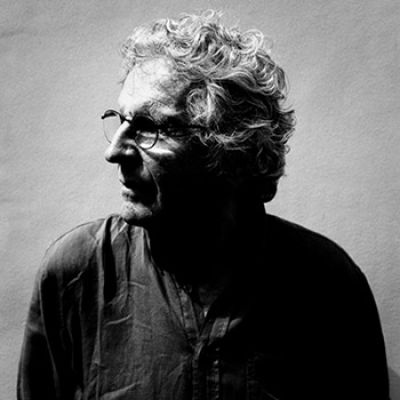
Harry Gruyaert
Photographer
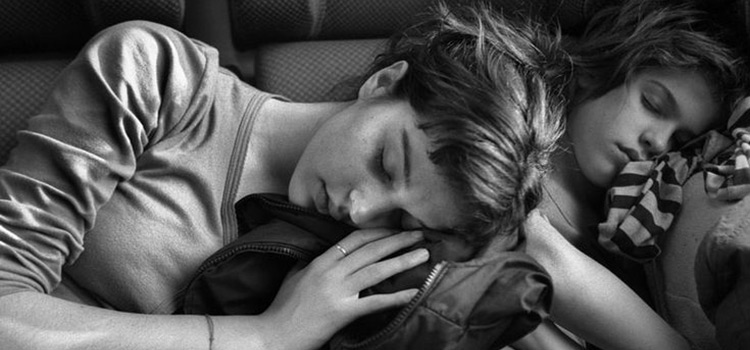
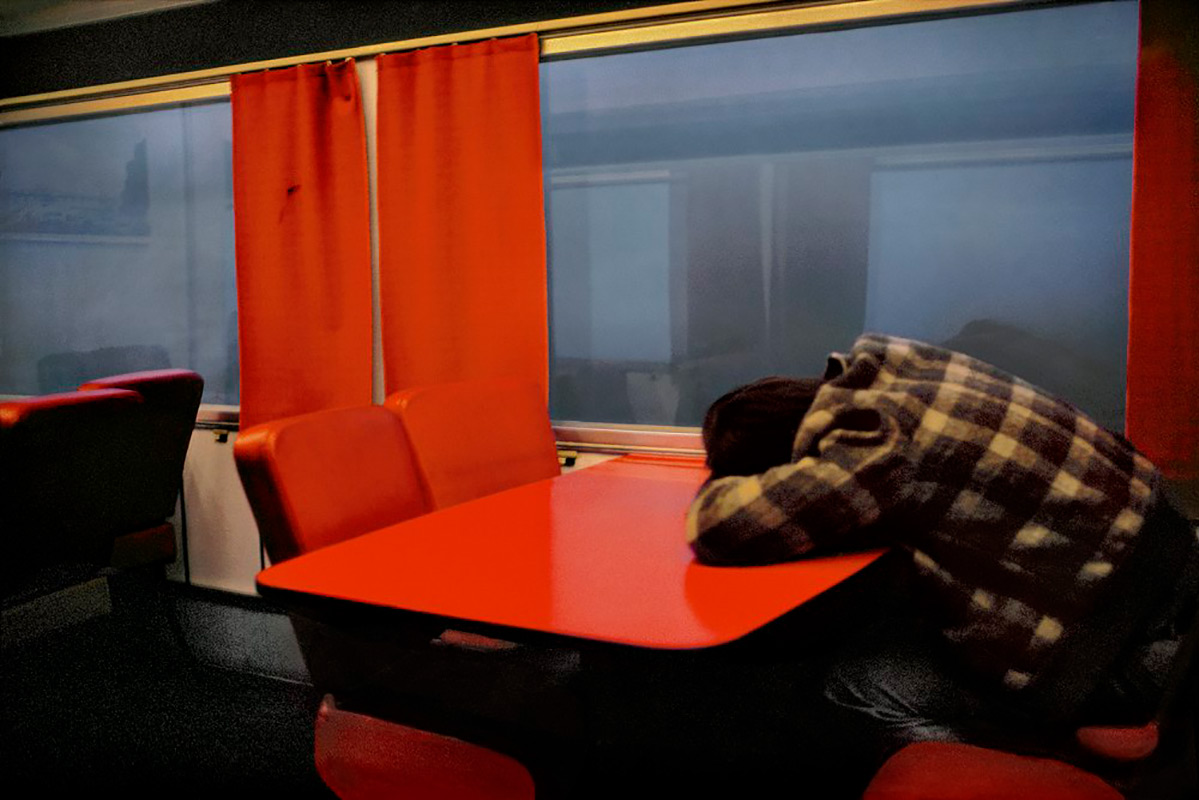
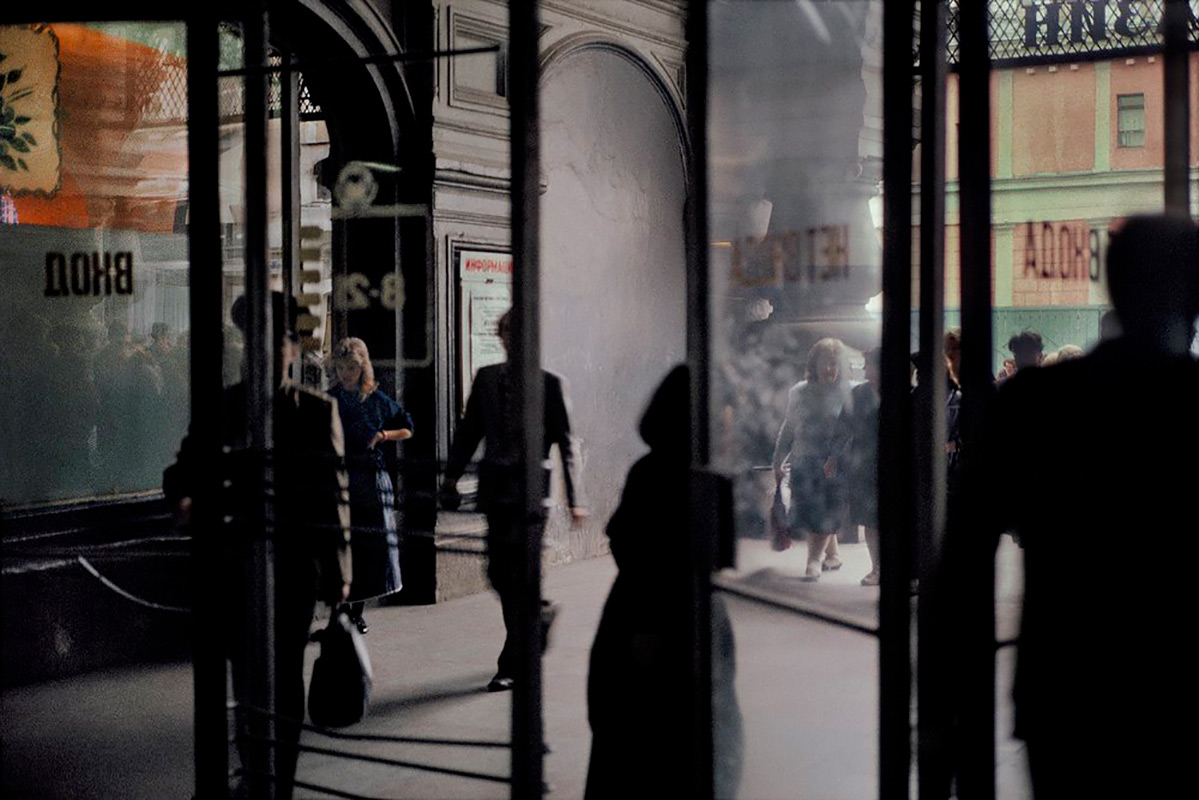
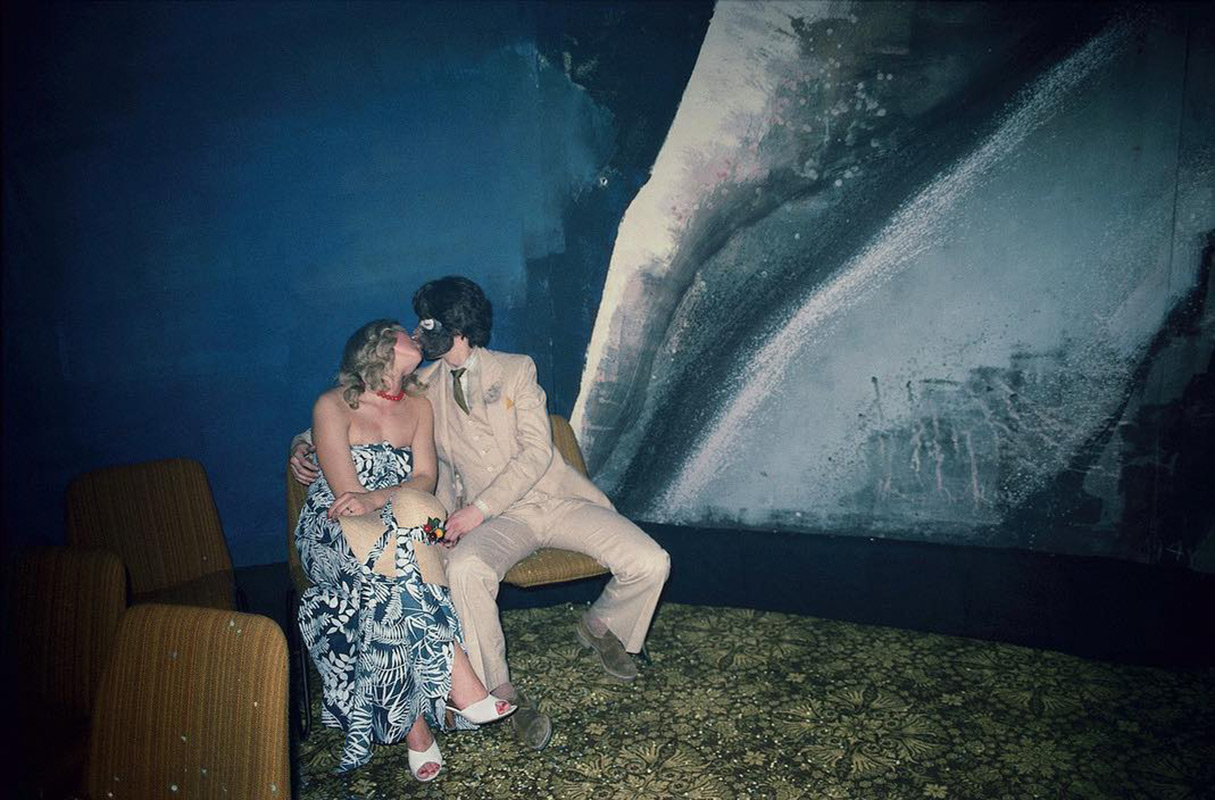
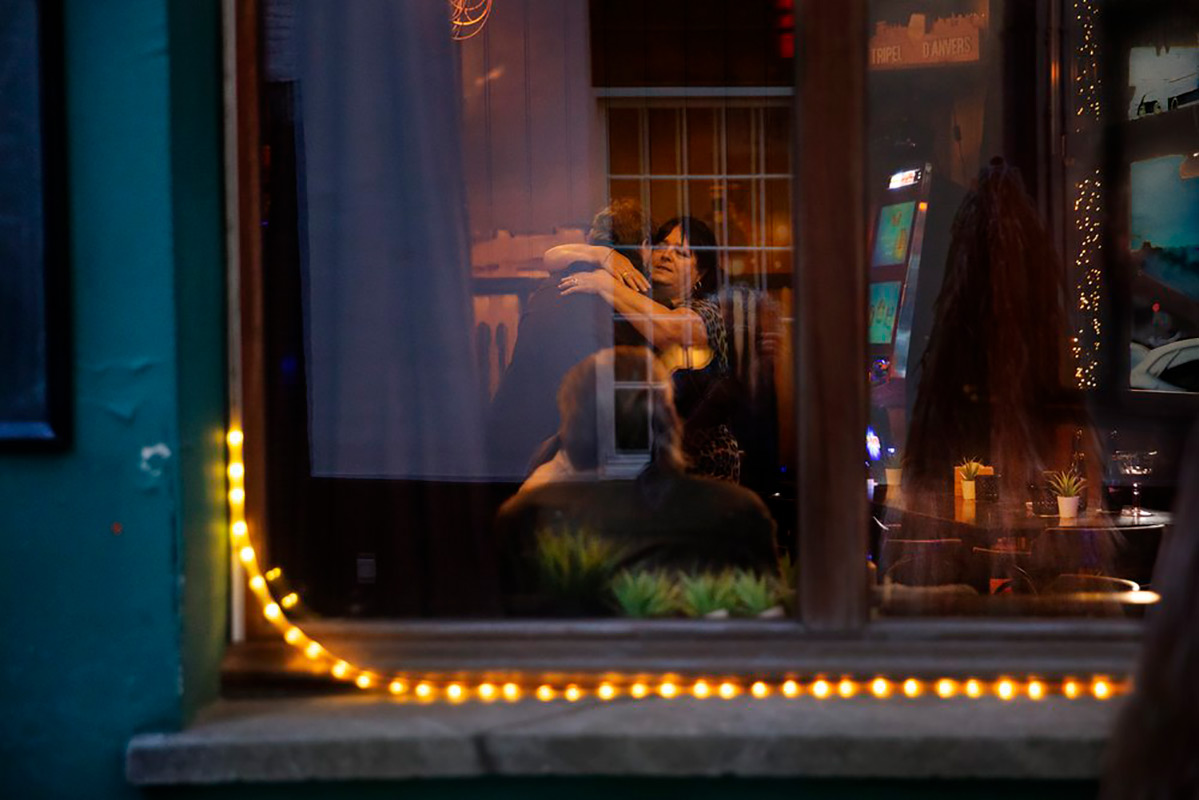
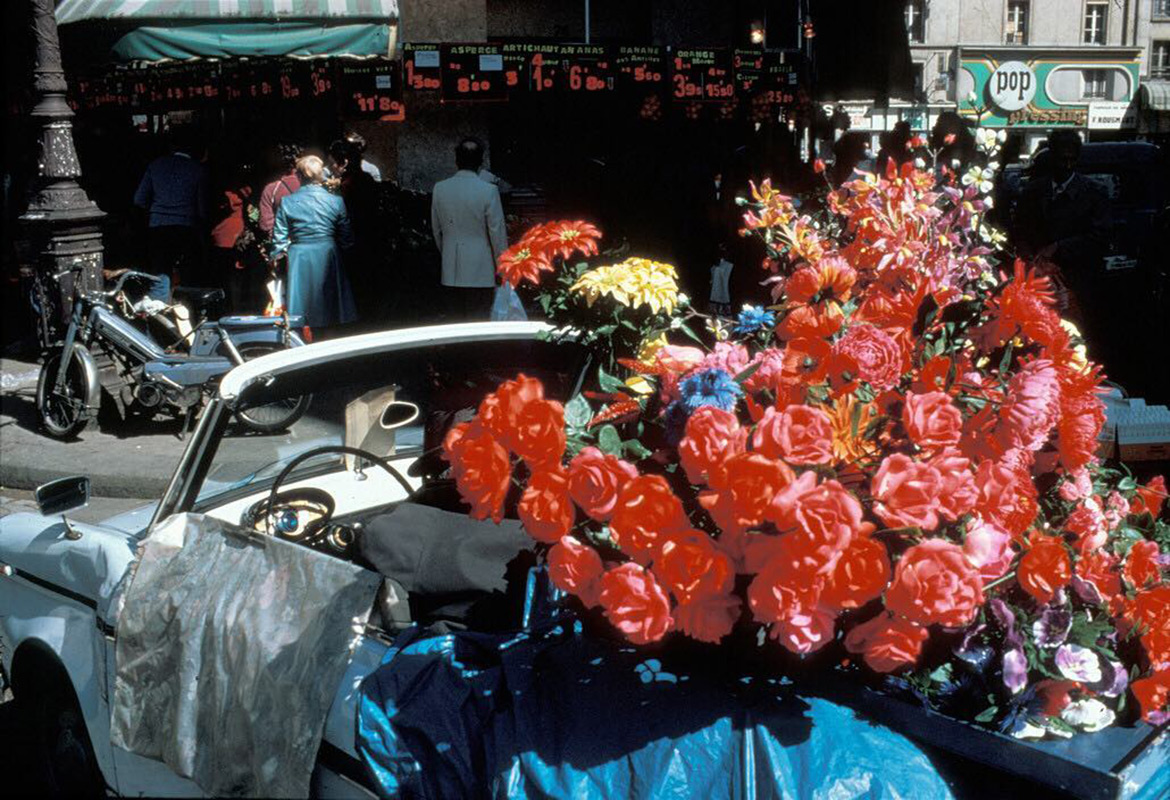
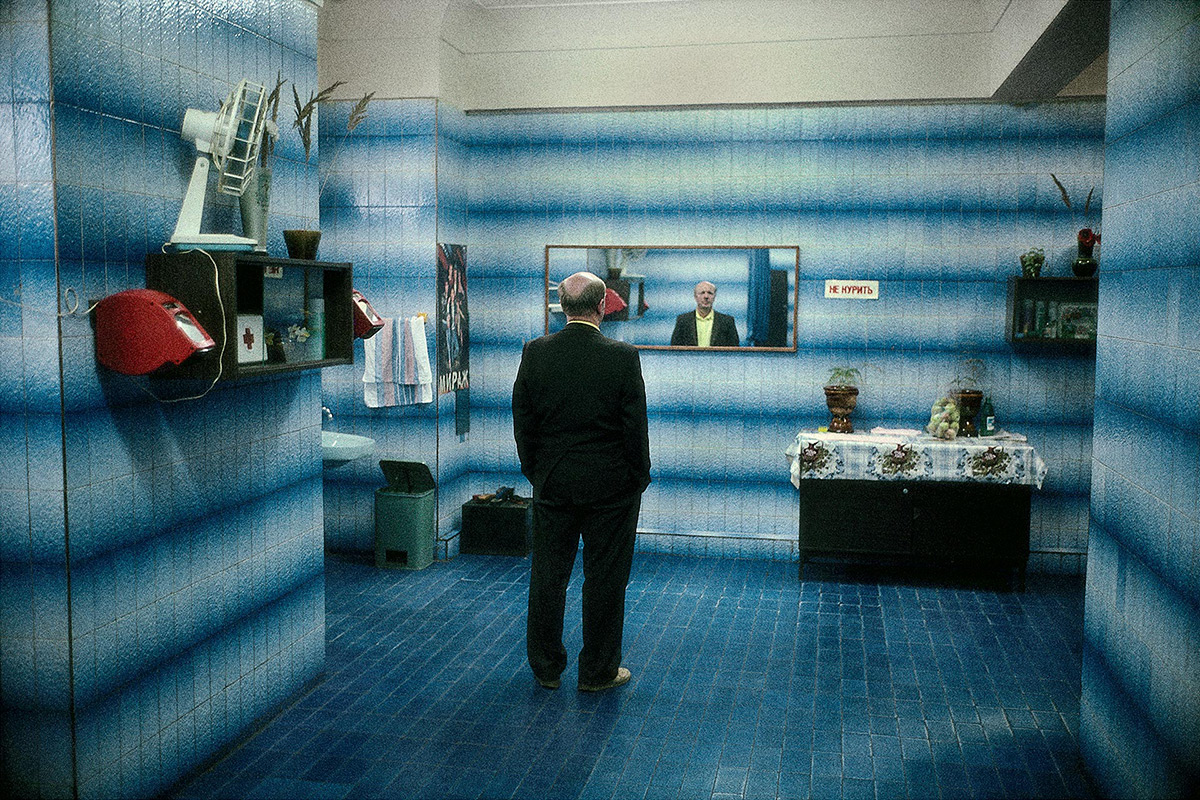
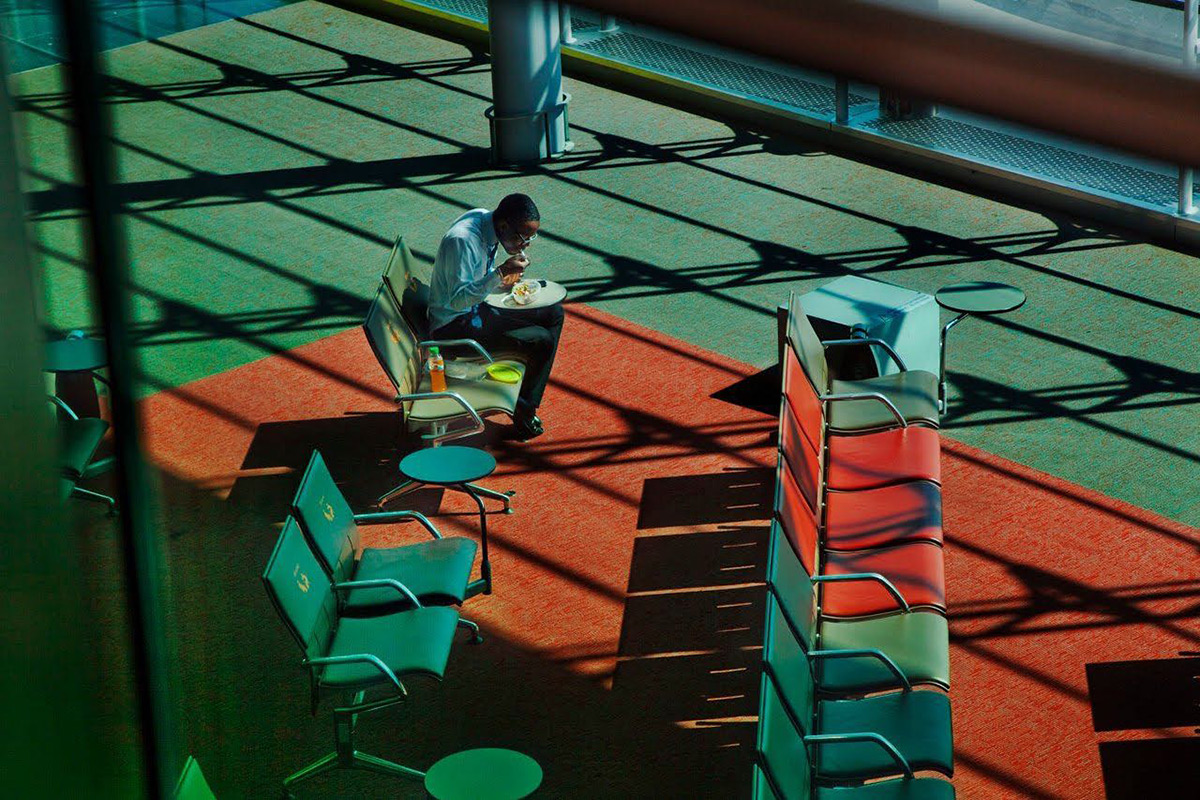
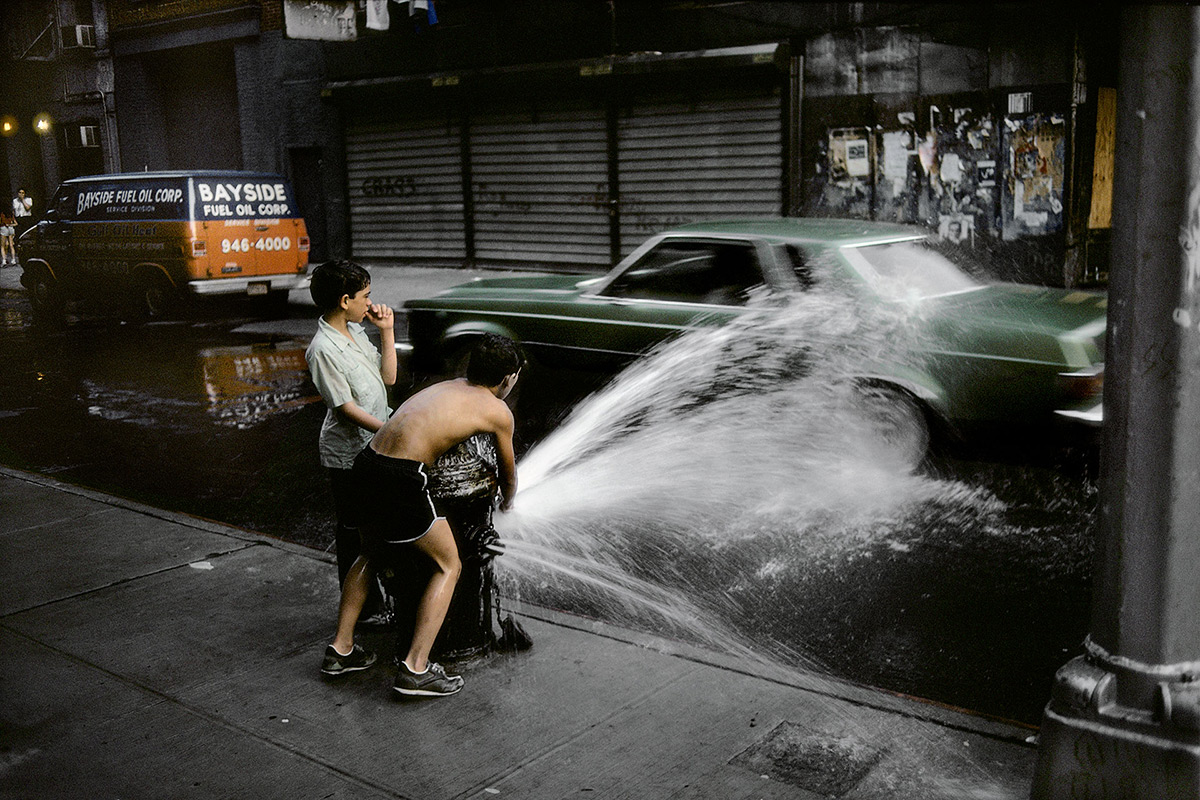
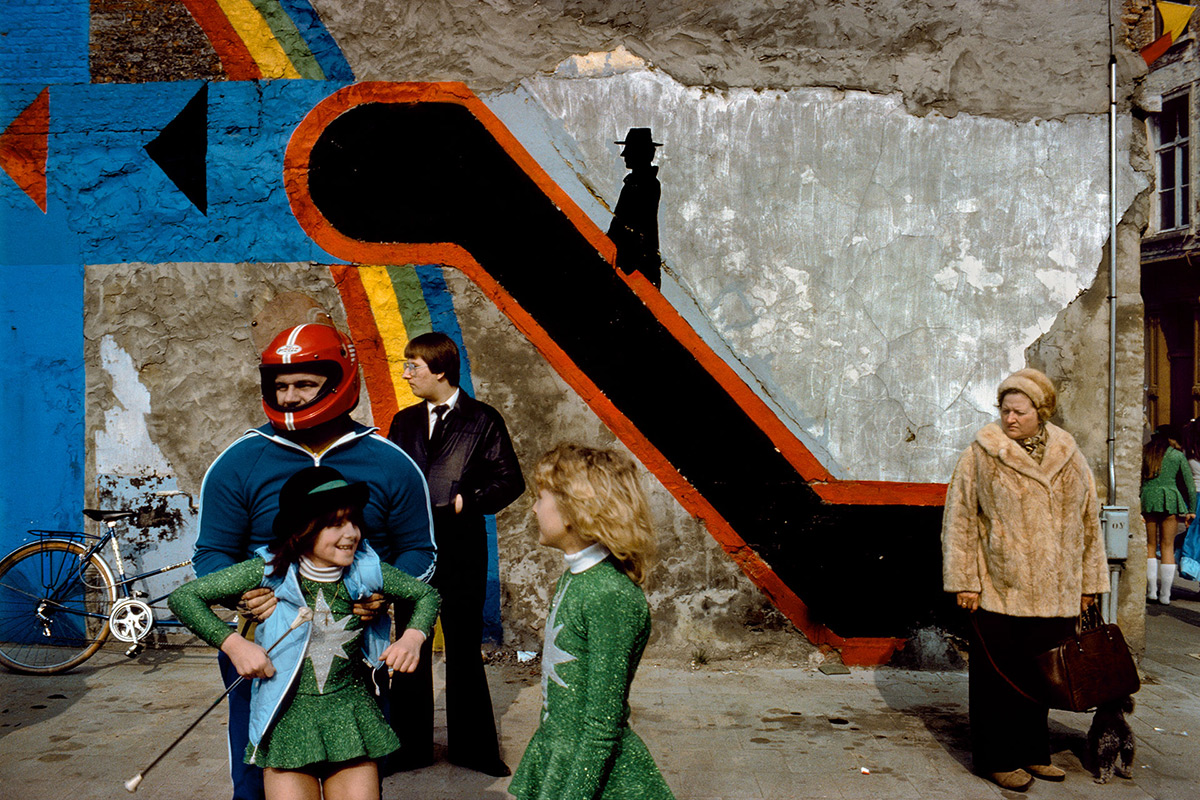
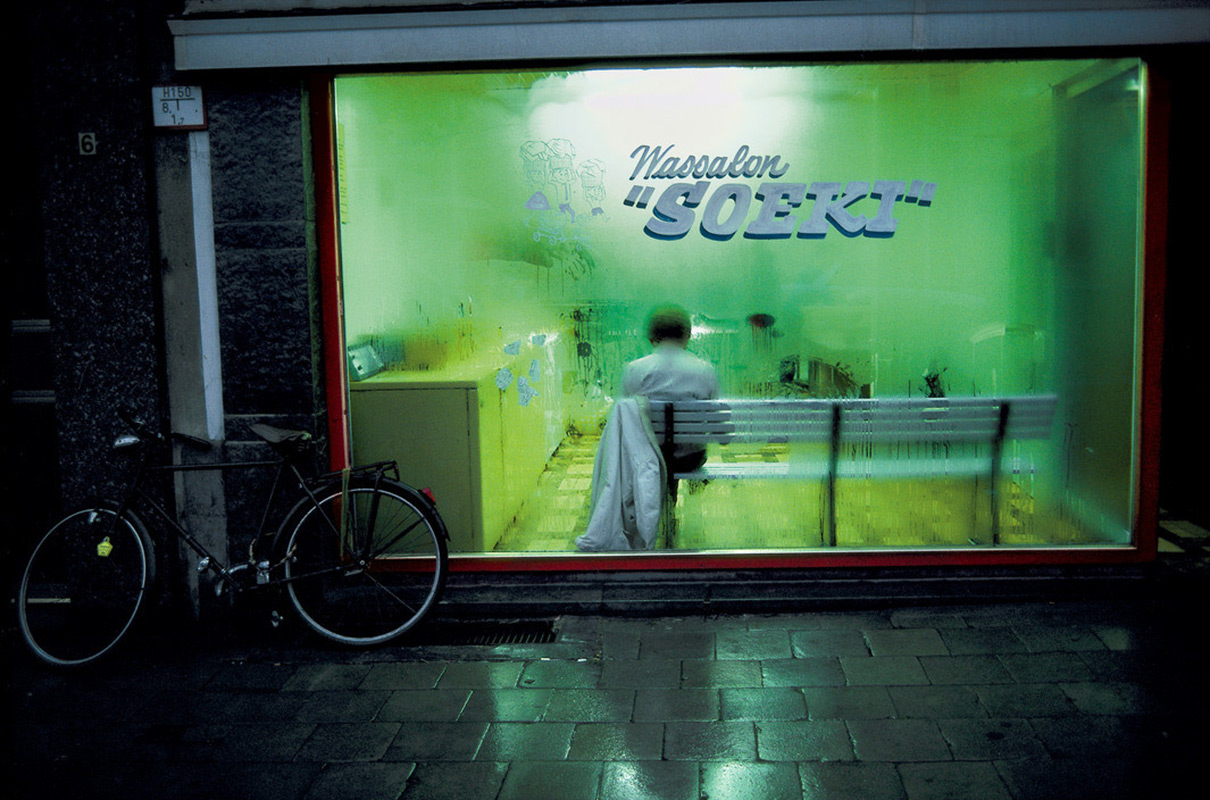
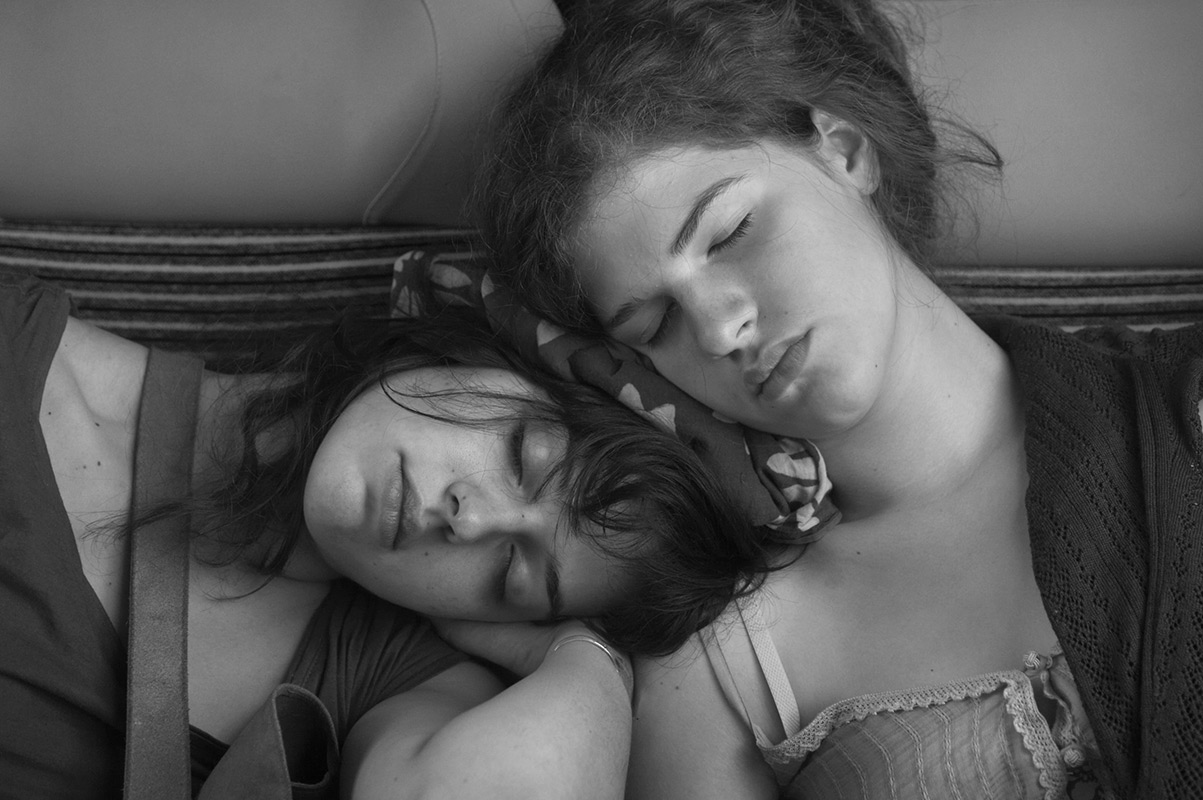
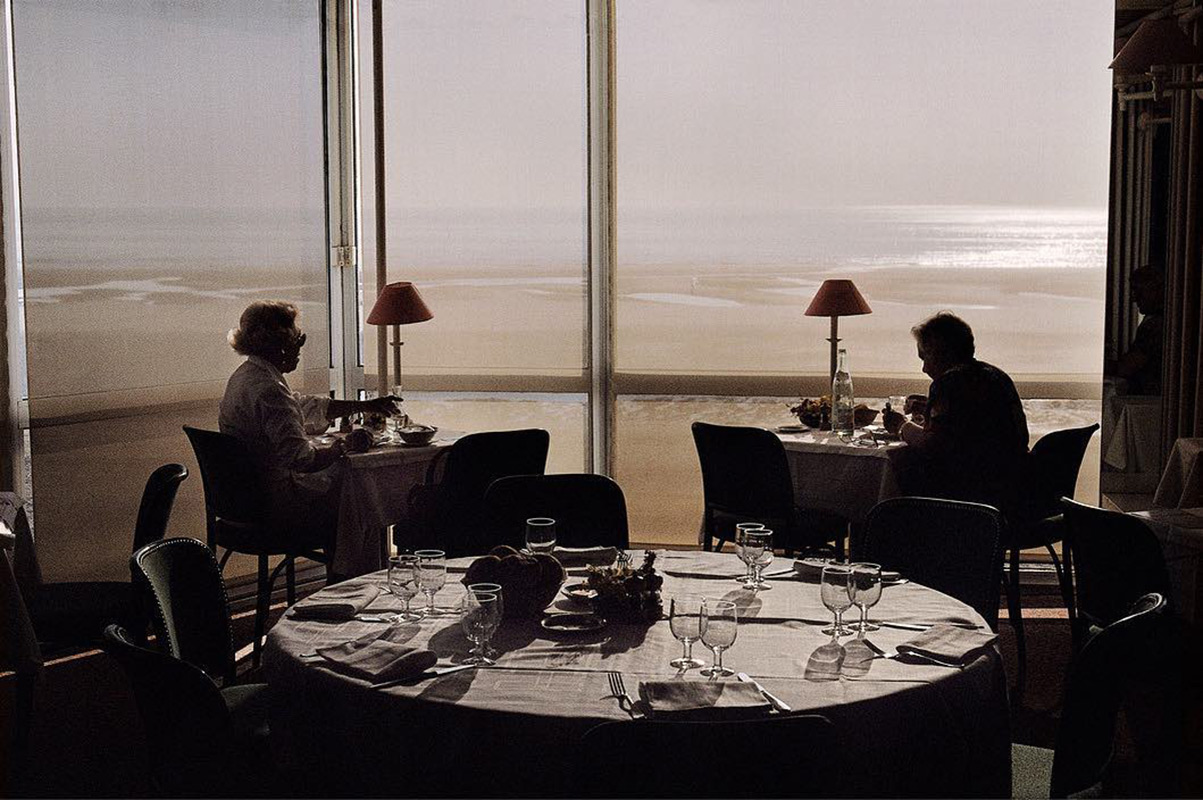
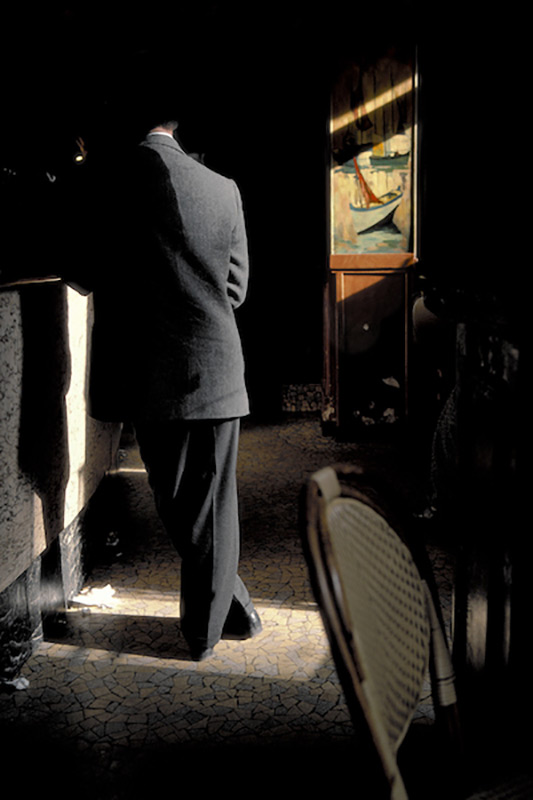
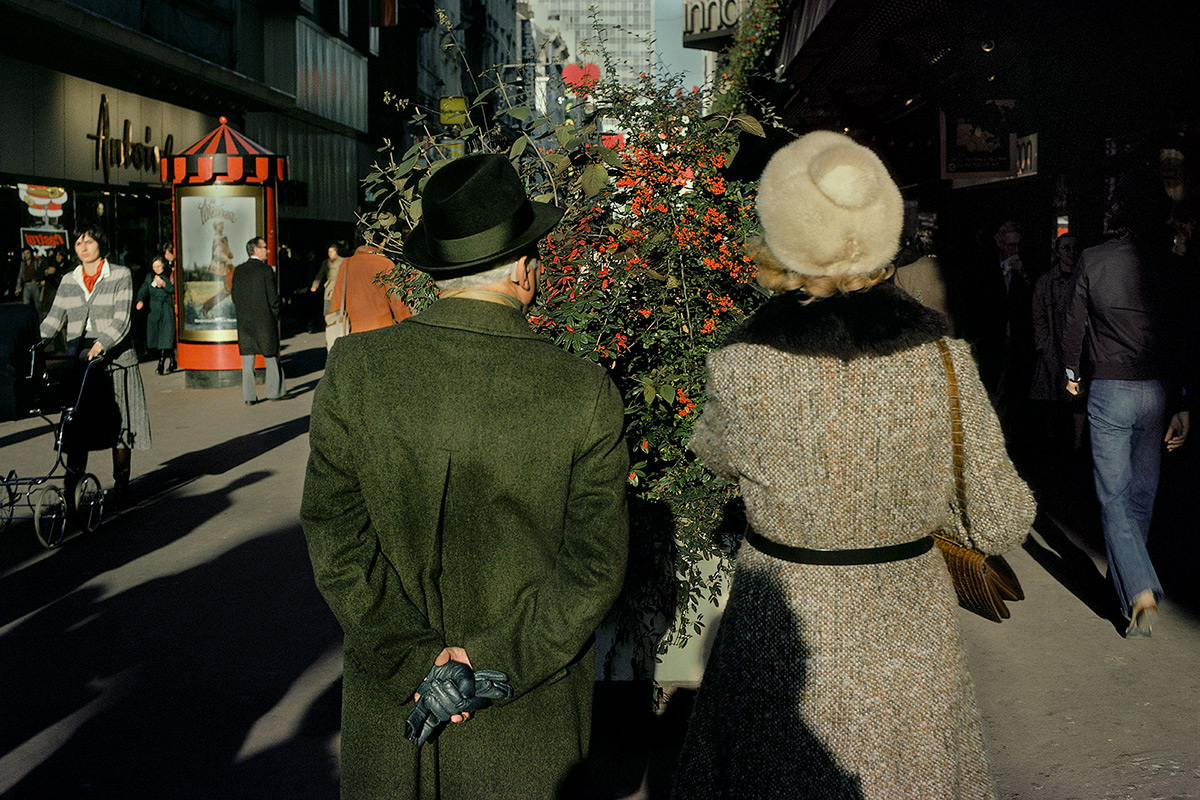
Born in Belgium in 1941, Harry Gruyaert studied photography and film-making. He made a few films as director of photography for Flemish television before turning to color photographs in his adopted Paris in the early 1960s.
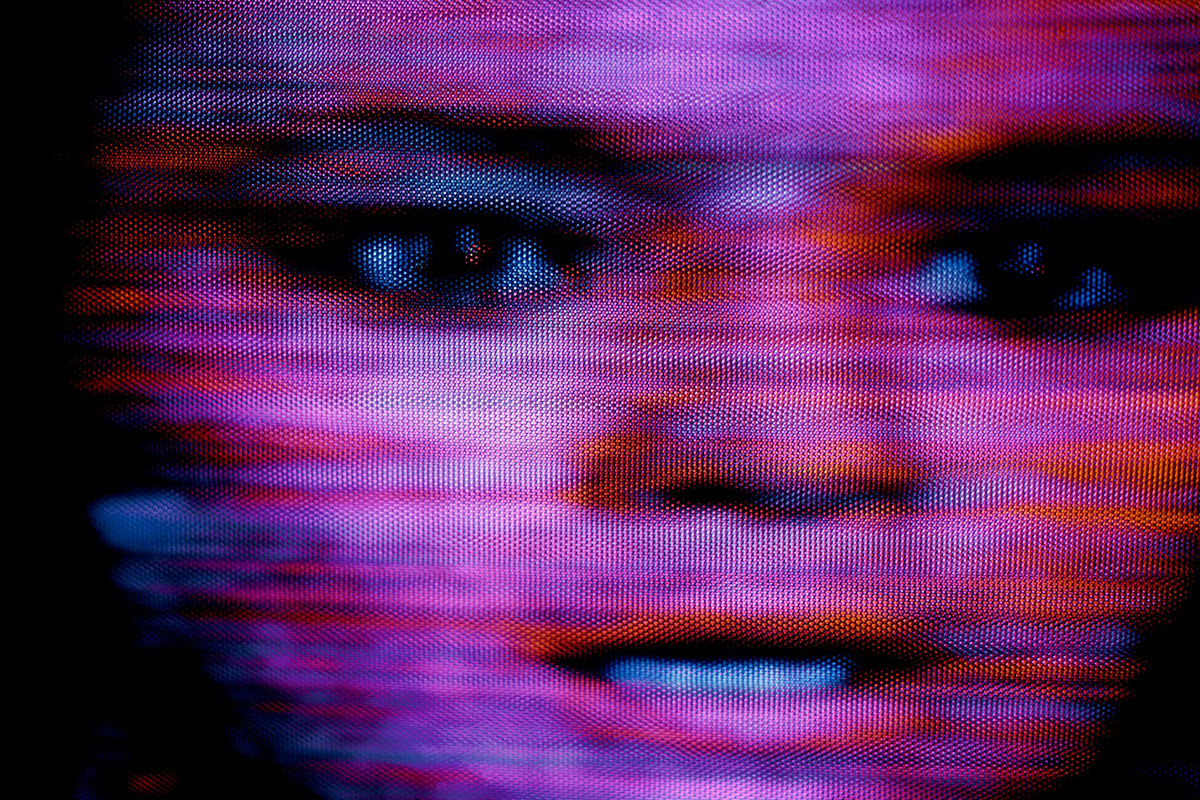
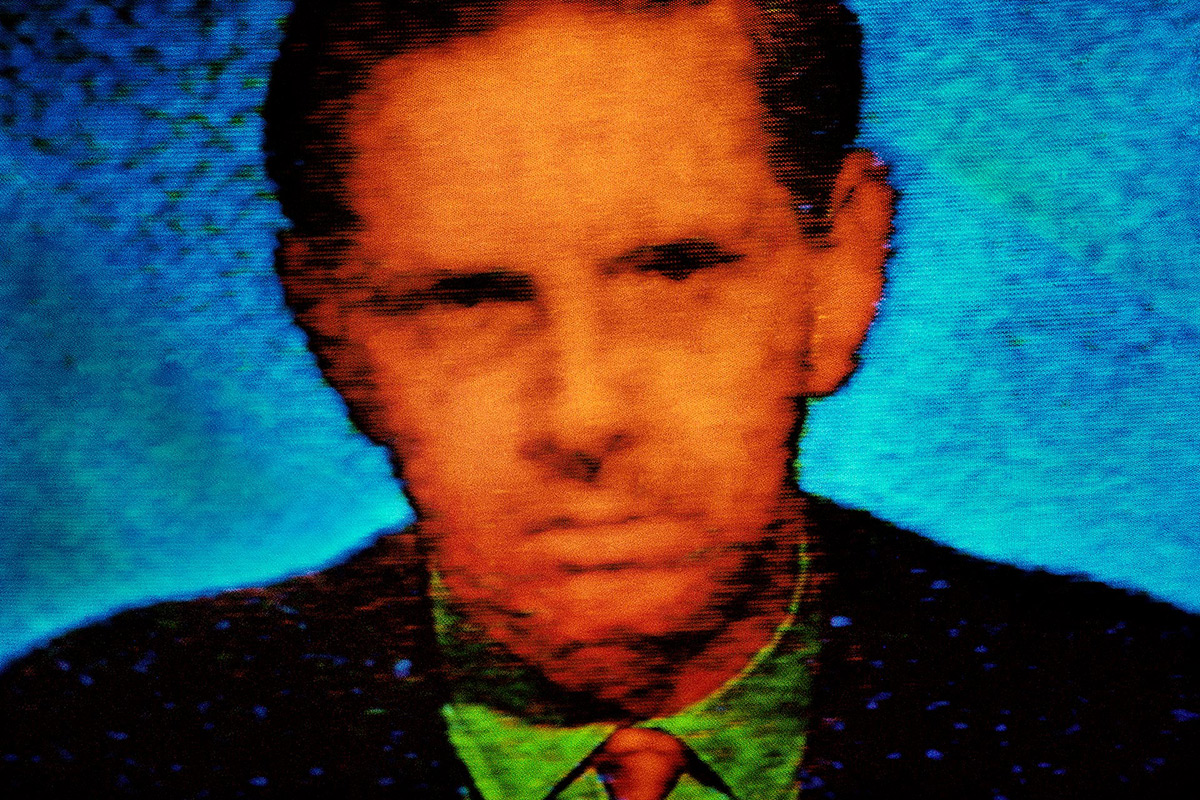
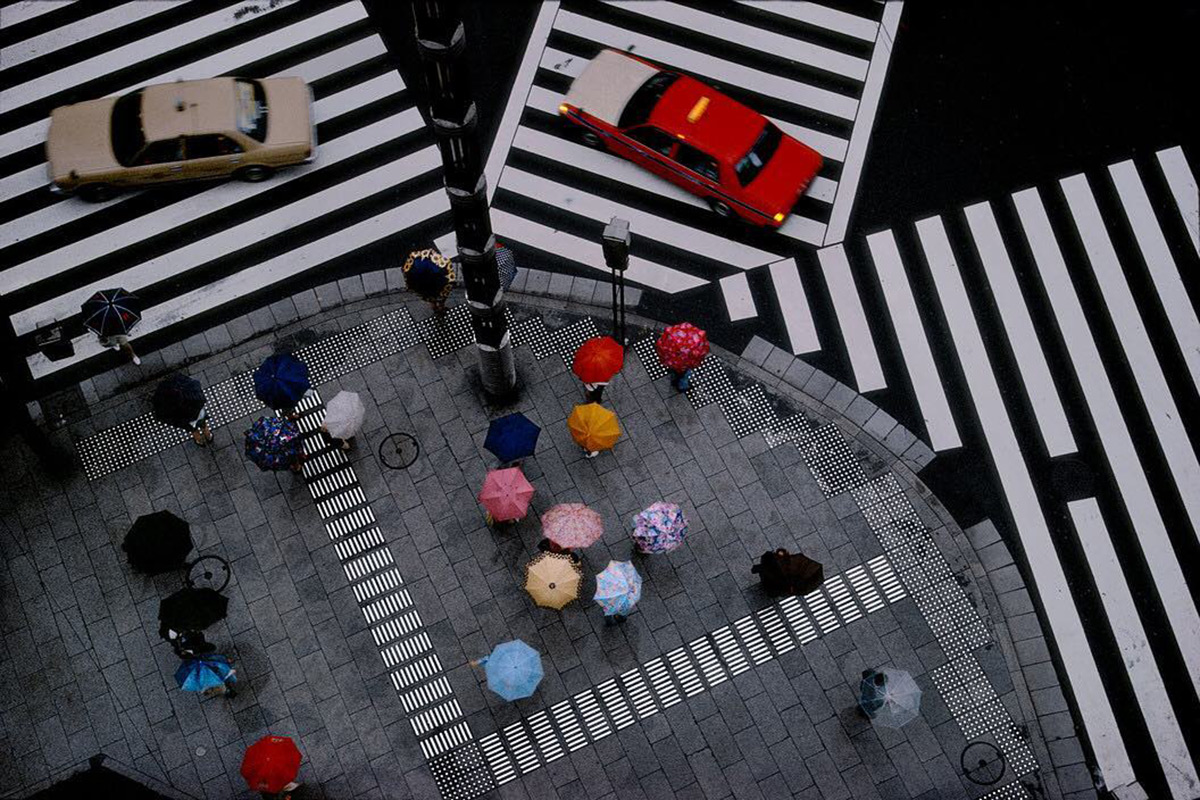
By the end of the 1970s he had travelled to the United States, India, Egypt, Japan and Morocco. The latter was a revelation to Gruyaert whose images of the country were later published in two different books. In the early 1970s, while he was living in London, he worked on a series of color television screen shots later to become the TV Shots now part of the Centre Pompidou collections. Around the same period he also photographed his homeland and produced two books, Made in Belgium and Roots.
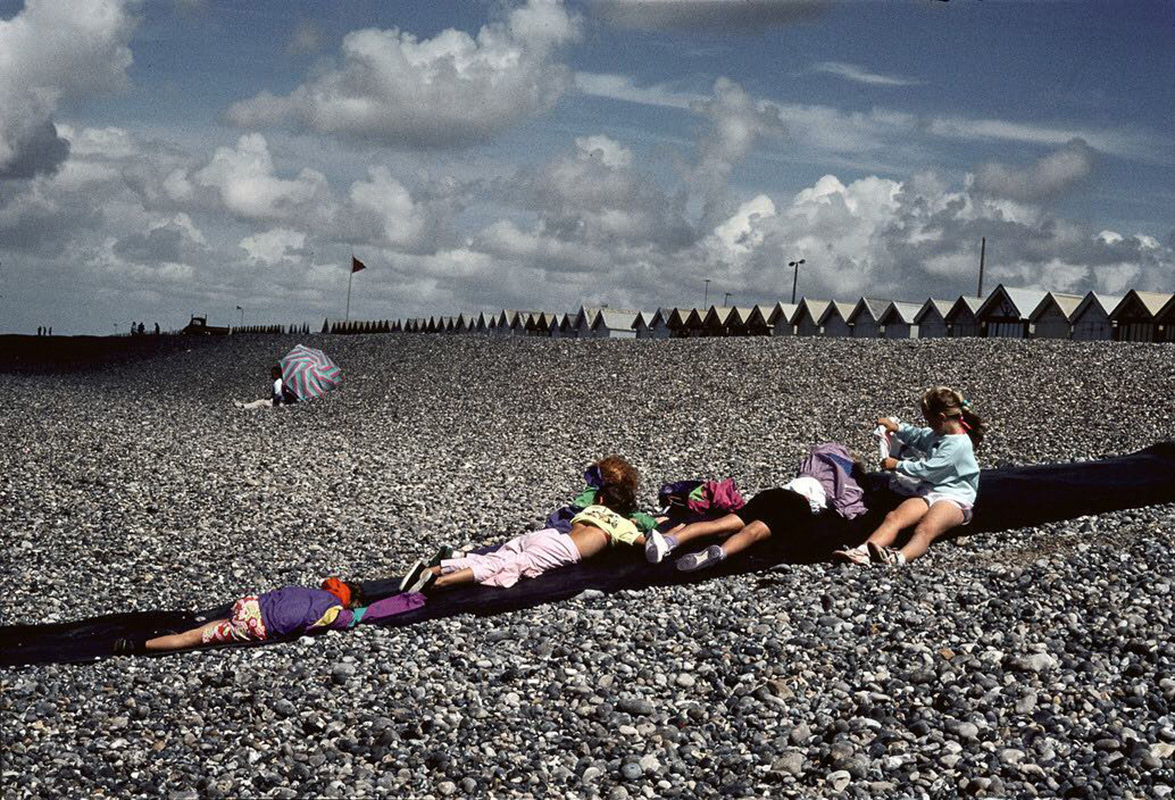
In 1982, he joined Magnum Photos. Among other important works, the two editions of Rivages (Edges), published in 2003 and 2008, are the testimony of how Gruyaert likes to work in different environments, with contrasting lights and colors. He had a retrospective of his work in Paris in 2015 and is currently working on a major show due to open at the FOMU in Antwerp in 2018. He is currently based in Paris.
Harry Gruyaert
Photographer
Born in Belgium in 1941, Harry Gruyaert studied photography and film-making. He made a few films as director of photography for Flemish television before turning to color photographs in his adopted Paris in the early 1960s.
By the end of the 1970s he had travelled to the United States, India, Egypt, Japan and Morocco. The latter was a revelation to Gruyaert whose images of the country were later published in two different books. In the early 1970s, while he was living in London, he worked on a series of color television screen shots later to become the TV Shots now part of the Centre Pompidou collections. Around the same period he also photographed his homeland and produced two books, Made in Belgium and Roots.
In 1982, he joined Magnum Photos. Among other important works, the two editions of Rivages (Edges), published in 2003 and 2008, are the testimony of how Gruyaert likes to work in different environments, with contrasting lights and colors. He had a retrospective of his work in Paris in 2015 and is currently working on a major show due to open at the FOMU in Antwerp in 2018. He is currently based in Paris.
•
© All images are Courtesy of Harry Gruyaert and Magnum Photos
RELATED ARTICLES




-
Saatchi GalleryLondonThe Saatchi Gallery aims to provide an innovative forum for contemporary art, presenting work by largely unseen young artists or by international artists whose work has been rarely or never exhibited in the UK.
-
Lotta Antonsson: I Am EverythingApr 25 – Nov 29, 2026One of Sweden’s leading contemporary photographers, Lotta Antonsson, is coming to Fotografiska with I Am Everything. In this exhibition, the artist explores themes of gender, identity, and objectification within a visual world
-
Sarah Maple: Double LifeOct 3, 2026 – Apr 4, 2027Museum Arnhem presents Double Life, the first major solo exhibition in the Netherlands by British artist Sarah Maple (b. 1985). In her work, Maple explores what it means when different sides of her identity intersect...
-
DocumentaOrganization / FestivalDocumenta und Museum Fridericianum gGmbH is a non-profit organization supported and funded by the City of Kassel and the State of Hesse, as well as by the German Federal Cultural Foundation.
-
Art Week Tokyo 2026November 4–8, 2026
Art Week Tokyo 2026 expands its activation of the city’s diverse array of museums and art spaces. New institutional highlights include Nam June Paik: The 20th Anniversary of His Passing at Watari-um…
-
Bill PhelpsPhotographerBorn in St. Paul, Minnesota, Bill Phelps has built an impressive career despite having no formal art training, lending his talents to Italian Vogue, French Marie Claire, Conde Nast Traveller UK, The New York Times Magazine, Fortune, and Interview, and picking up both an IPA Lucie Award and the Grand Prize of Portraits for the World Press Photo.
-
The Coming of AgeMar 26 – Nov 29, 2026
‘The Coming of Age’ features more than 120 artworks and objects, including historical artefacts and works by contemporary artists including John Coplans, Serena Korda, Suzanne Lacy, Anna Maria Maiolino, Rory Pilgrim, Paula Rego and more.
-
Nadav Kander: The Edge of ThingsSep 18, 2026 – Jan 20, 2027Foam presents The Edge of Things, a major solo exhibition of the internationally renowned artist Nadav Kander. Over more than three decades, Kander has created some of the most celebrated images in contemporary photography...
-
Marc Chagall: The CircusNov 21, 2026 – Apr 25, 2027
Throughout his prolific career, Marc Chagall (1887–1985) returned time and again to the vivid imagery of acrobats, clowns and fantastical performers. Marc Chagall: The Circus will present Chagall’s celebrated lithographs on this subject…
-
Performing Arts Season2026–2027In today’s world, our commitment to connecting community with world-class creative innovators has never been more vital. Vanguard dance, music, and adventurous theater artists offer fresh ideas and energy, while bringing us together...
-
Argo: Movements of Inner and Outer NatureGwendolyn Hope GussmanArgo is a creative residency program and project space in Athens, Greece. We are open to visual artists, writers, performers, musicians, scholars, and any other creative discipline. Each residency includes accommodation, studio space, research support, and participation in a creative community.
-
OFFSCREEN: 5th editionOctober 20–25, 2026OFFSCREEN Paris is a nomadic event that values contemporary, historic and avant-garde artists with image-based practices. With its distinct voice, it is a must-see highlight of Paris Art Week each October...
-
The Wild Gene / Ivana FischerSep 18 – Nov 7, 2026“Childhood is a frightening place. Only when considered from a great distance, whether that be across space or time, can it appear carefree and idyllic. Because growing up is always marked by changes that cannot be controlled...
-
New Humans: Memories of the FutureMar 21, 2026 - OngoingNew Humans: Memories of the Future will inaugurate the New Museum’s expanded building with an exploration of artists’ enduring preoccupation with what it means to be human in the face of sweeping technological changes. New Humans will trace a diagonal history of the twentieth and twenty-first centuries...
-
2027 Brooks International Fellowship ProgrammeDeadline: October 21, 2026
Tate, in collaboration with Delfina Foundation, invites applications for the Brooks International Fellowship Programme 2027. Now in its thirteenth year, the programme will enable practitioners to work with Tate…
-
Venice Biennale 202661st International Art ExhibitionThe 61st International Art Exhibition of La Biennale di Venezia – In Minor Keys by Koyo Kouoh (1967–2025) – will run from Saturday 9 May to Sunday 22 November 2026 (preview 6, 7, 8 May) at the Giardini and the Arsenale venues, and in various locations around Venice.
-
Aesthetica Film Festival 2026November 4–8, 2026Aesthetica Film Festival announces its most expansive programme to date, with York set to become a meeting point for the people shaping the future of film, television, art, sound, games and immersive media this November.
-
Arnold J. Kemp: Not One ThingJul 28 – Dec 6, 2026
Arnold J. Kemp: Not One Thing is the first institutional survey of work by the Chicago-based artist Arnold J. Kemp (b. 1968, Boston). The exhibition focuses on Kemp’s performative and material tendencies of masking, traced through various media.
SUBMIT YOUR ANNOUNCEMENTS
Visit our New Announcement Submission page > Announcement Submission page >
Visit our New Announcement Submission page > Announcement Submission page >