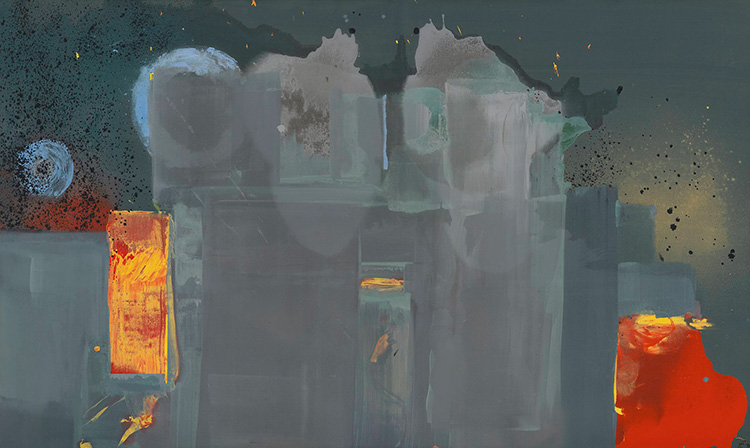
Helen Frankenthaler, Janus, 1990. Helen Frankenthaler Foundation, New York. © 2025 Helen Frankenthaler Foundation, Inc./Artists Rights Society (ARS), New York / VEGAP. Photo: Dan Bradica, courtesy Helen Frankenthaler Foundation, New York
Helen Frankenthaler (b. 1928; d. 2011), best known for her invention of the soak-stain technique, played a pivotal role in the transition from Abstract Expressionism to Color Field painting. A tireless experimenter over the course of six decades, the artist produced a prolific stream of paintings on canvas and paper, in addition to sculptures, ceramics, tapestries, and print editions. Her innovative work, represented in the collections of major museums worldwide, continues to inspire contemporary artists.
Born in New York City, Frankenthaler studied studio art with Paul Feeley at Bennington College, in Vermont, before returning to Manhattan, where she gravitated to abstract art. By the early 1950s she had gained direct access to key figures in the New York School – icons of postwar American art – all of whom shared her unwavering commitment to experimentation, some of whom became part of her inner social circle.
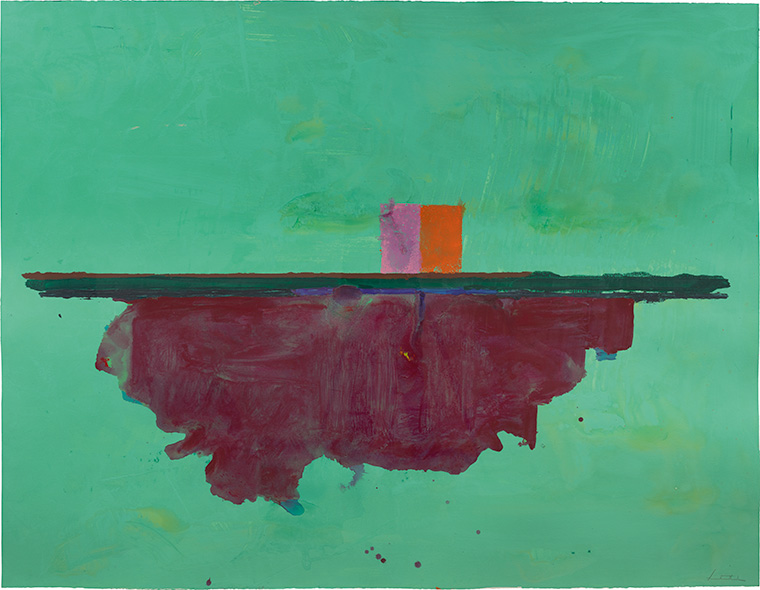
Helen Frankenthaler, Cassis, 1995. Helen Frankenthaler Foundation, New York © 2025 Helen Frankenthaler Foundation, Inc./Artists Rights Society (ARS), New York / VEGAP. Photo: Roz Akin, courtesy Helen Frankenthaler Foundation, New York
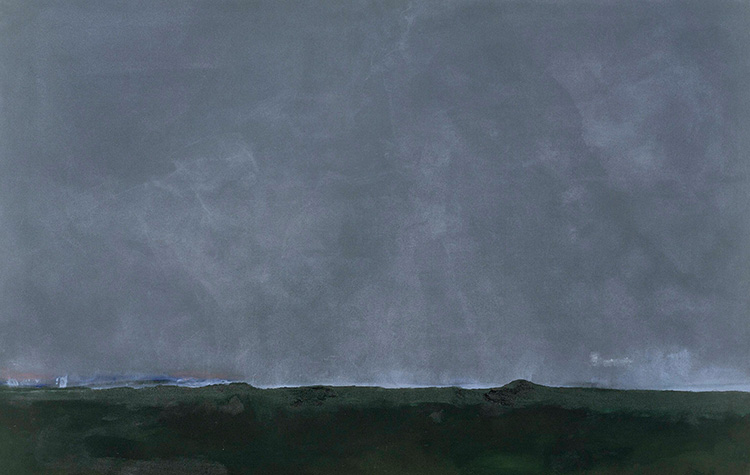
Helen Frankenthaler, Driving East, 2002. Audrey and David Mirvish, Toronto, Canada © 2025 Helen Frankenthaler Foundation, Inc./Artists Rights Society (ARS), New York / VEGAP. Photo: Michael Visser
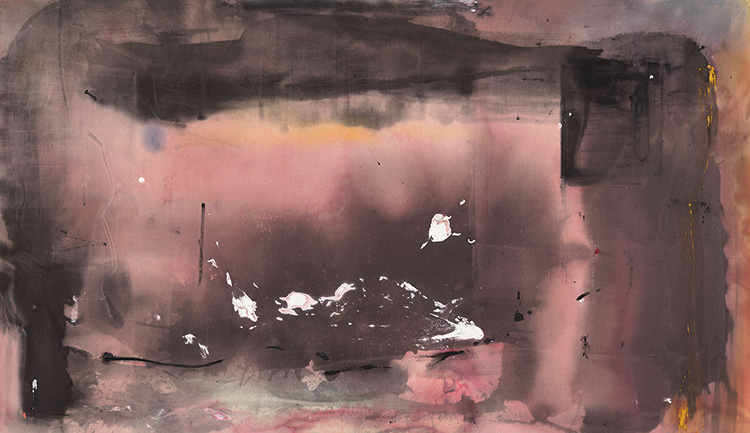
Helen Frankenthaler, Eastern Light, 1982. Helen Frankenthaler Foundation, New York © 2025 Helen Frankenthaler Foundation, Inc./Artists Rights Society (ARS), New York / VEGAP Photo: Rob McKeever, courtesy Gagosian
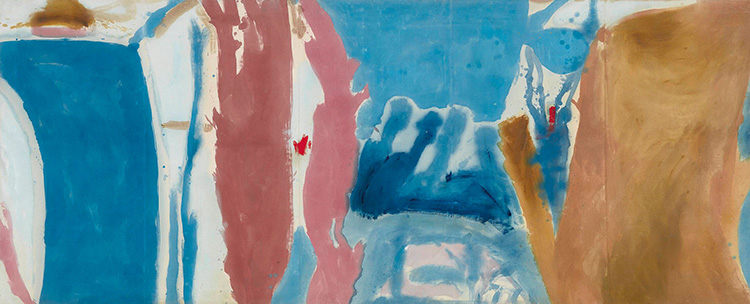
Helen Frankenthaler, Open Wall, 1953. Helen Frankenthaler Foundation, New York © 2025 Helen Frankenthaler Foundation, Inc./Artists Rights Society (ARS), New York / VEGAP. Photo: Rob McKeever, courtesy Gagosian
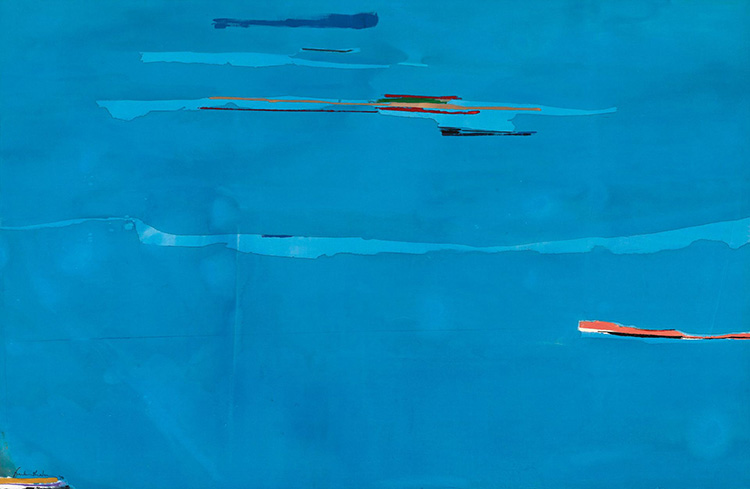
Helen Frankenthaler, Ocean Drive West #1, 1974. Helen Frankenthaler Foundation, New York © 2025 Helen Frankenthaler Foundation, Inc./Artists Rights Society (ARS), New york / VEGAP. Photo: Rob McKeever, courtesy Gagosian
Helen Frankenthaler: Painting Without Rules contextualizes the painter’s creative output through the lens of her artistic affinities, influences, and friendships. Comprising thirty of Frankenthaler’s poetic abstractions created between 1953 and 2002, the exhibition also features select paintings and sculptures by some of her contemporaries – Anthony Caro, Morris Louis, Robert Motherwell, Kenneth Noland, Jackson Pollock, Mark Rothko, and David Smith—highlighting the synergies between these artists.
Painting Without Rules is designed chronologically, decade to decade, beginning with the 1950s and ending in the 2000s. Each section, paced by a curatorial text, represents another chapter of Frankenthaler’s prolific career. The exhibition celebrates the legacy of a pioneering artist who never stopped exploring new ways to make abstract art.
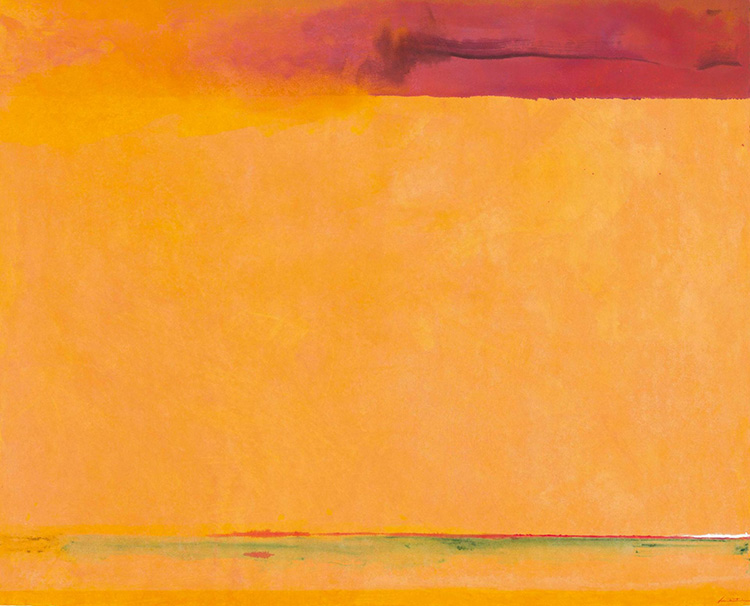
Helen Frankenthaler, Southern Exposure, 2002. Helen Frankenthaler Foundation, New York. © 2025 Helen Frankenthaler Foundation, Inc./Artists Rights Society (ARS), New York / VEGAP. Photo: Dan Bradica, courtesy Helen Frankenthaler Foundation, New York
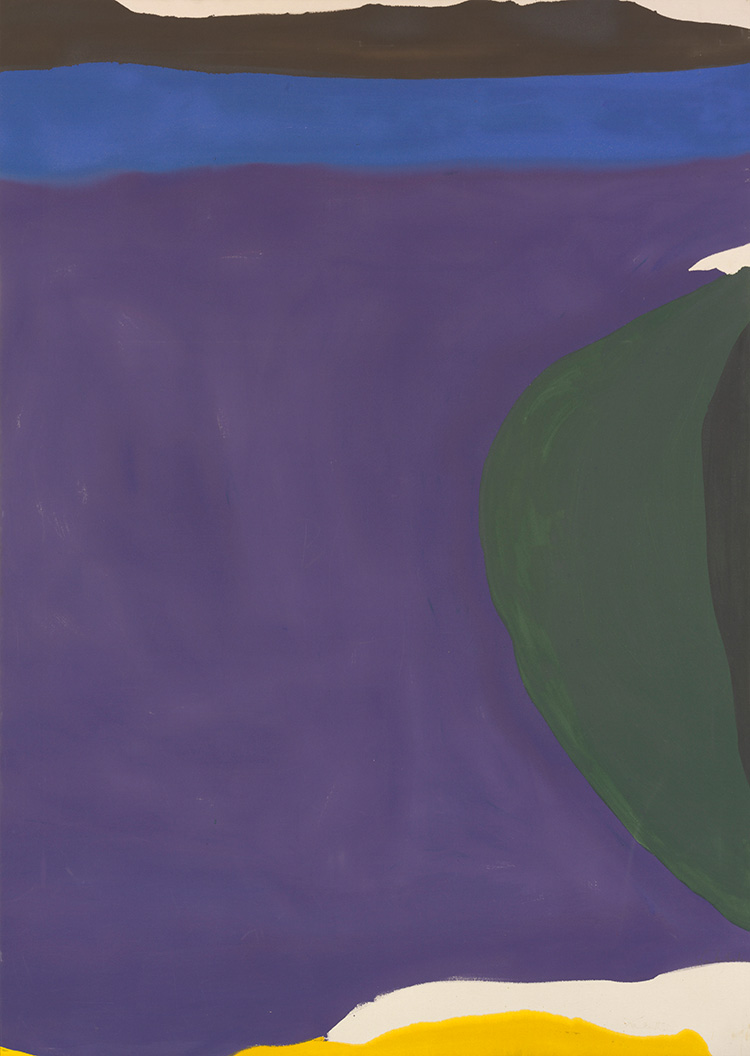
Helen Frankenthaler, Santorini, 1965. Guggenheim Bilbao Museoa. Donación de Helen Frankenthaler Foundation, Inc. © 2025 Helen Frankenthaler Foundation / VEGAP
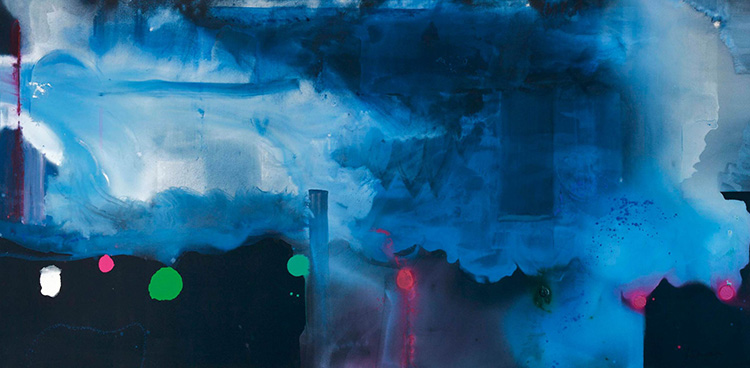
Helen Frankenthaler, Star Gazing, 1989. Helen Frankenthaler Foundation, New York © 2025 Helen Frankenthaler Foundation, Inc./Artists Rights Society (ARS), New York / VEGAP. Photo: Tim Pyle, courtesy Helen Frankenthaler Foundation, New York
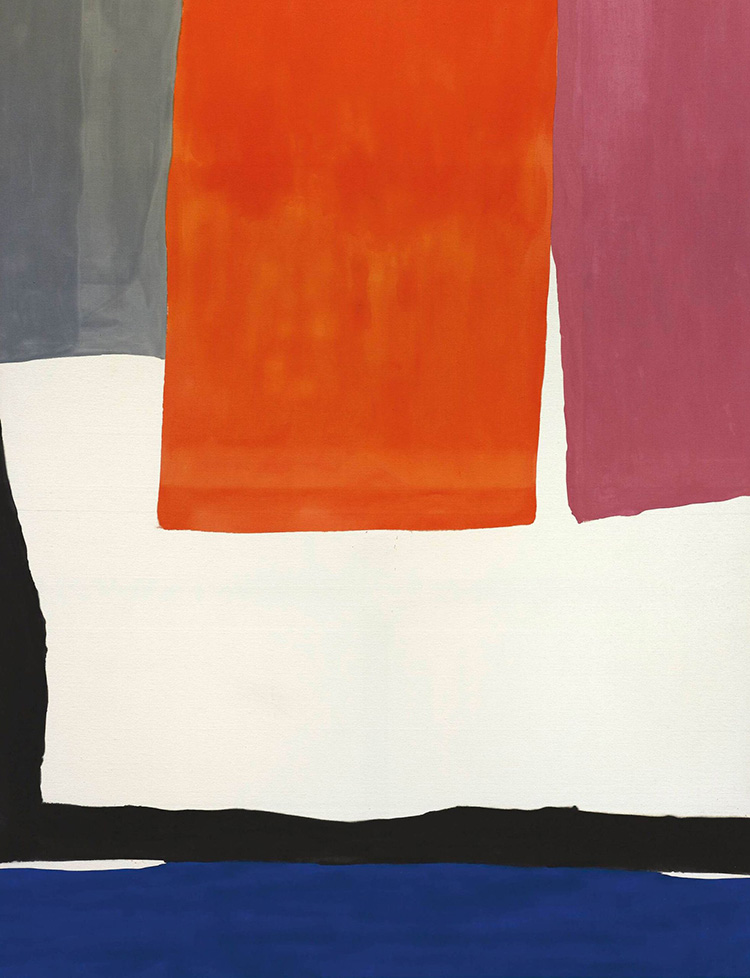
Helen Frankenthaler, The Human Edge, 1967. Collection Everson Museum of Art, Museum purchase to honor Director Max Sullivan on the opening of the I.M. Pei building 68.23 © 2025 Helen Frankenthaler Foundation, Inc./Artists Rights Society (ARS), New York / VEGAP. Photo: courtesy Everson Museum of Art, Syracuse
Among Friends
The works in this section provide a fuller context for the exhibition. Some came to Helen Frankenthaler as gifts, tokens of friendship. Others were purchased by the artist. Two are museum loans.
Kenneth Noland and Morris Louis were some of the first artists to see Frankenthaler’s Mountains and Sea (1952) at her studio shortly after it was finished. Both were familiar with Pollock’s dense abstractions. Frankenthaler’s lightly stained canvas, full of light and space, offered an alternative approach.
Frankenthaler and Robert Motherwell were married for thirteen years (1958–71). During this time, they shared family and friends, spent summers on Cape Cod and in Europe, and exchanged artistic ideas. Motherwell’s Iberia (1958) was painted the same year the couple traveled to Spain on their honeymoon.
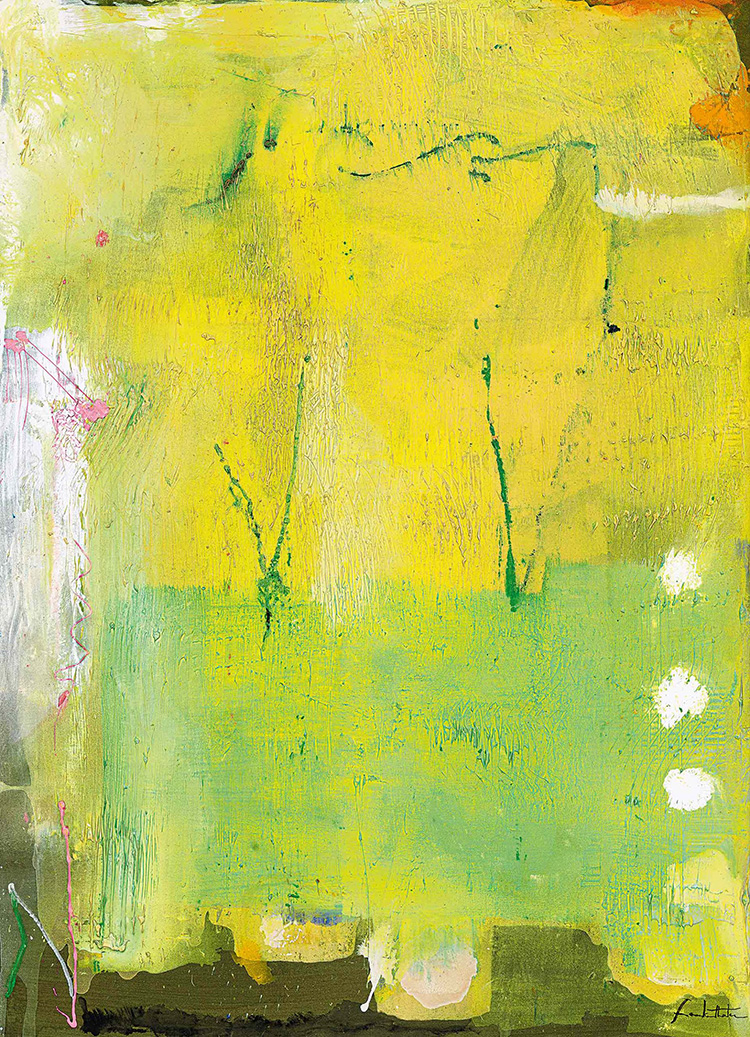
Helen Frankenthaler, The Rake’s Progress, 1991. Helen Frankenthaler Foundation, New York © 2025 Helen Frankenthaler Foundation, Inc./Artists Rights Society (ARS), New York / VEGAP. Photo: Rob McKeever, courtesy Gagosian
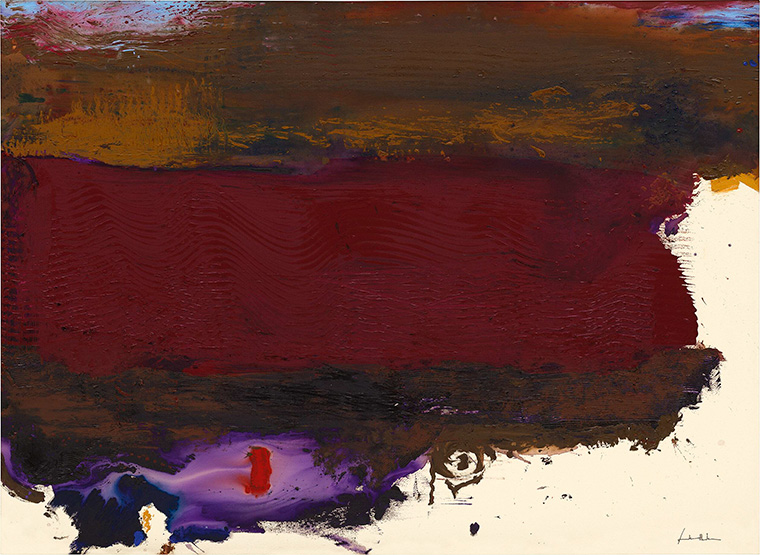
Helen Frankenthaler, Requiem, 1992. Guggenheim Bilbao Museoa © 2025 Helen Frankenthaler Foundation / VEGAP
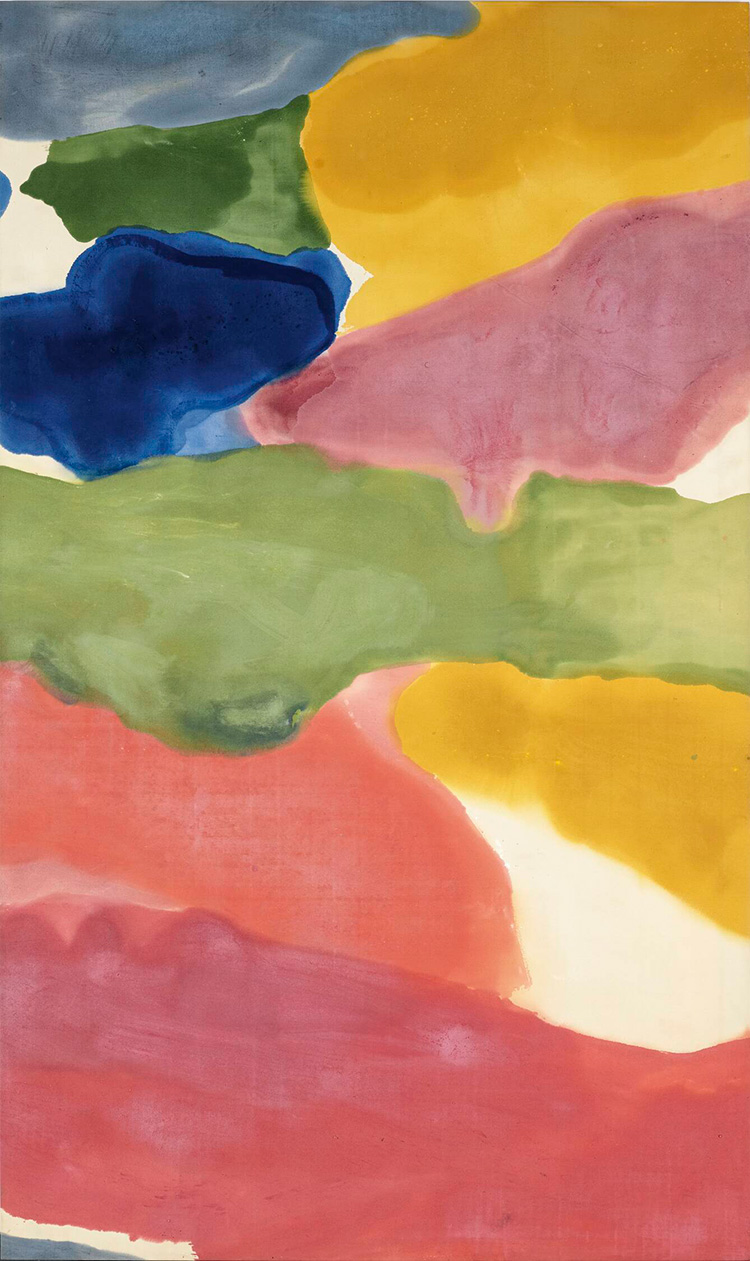
Helen Frankenthaler, Tutti-Frutti, 1966. Collection Buffalo AKG Art Museum, Gift of Seymour H. Knox, Jr., 1976 K1976:8 © 2025 Helen Frankenthaler Foundation, Inc./Artists Rights Society (ARS), New York / VEGAP. Photo: Brenda Bieger, Buffalo AKG Art Museum
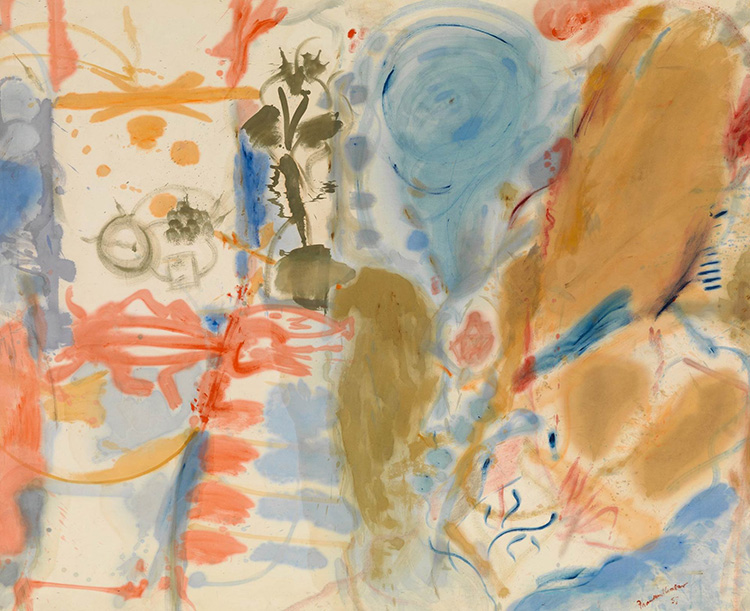
Helen Frankenthaler, Western Dream, 1957. The Metropolitan Museum of Art, New York. Gift of the Helen Frankenthaler Foundation, 2023 (2023.560) © 2025 Helen Frankenthaler Foundation, Inc./Artists Rights Society (ARS), New York / VEGAP. Photo: Rob McKeever, courtesy Gagosian
Mark and Mell Rothko were also part of the couple’s artistic circle. What Pollock was to Frankenthaler in the 1950s, Rothko was in the early 1960s: the catalyst for another kind of abstract image.
Frankenthaler met David Smith through the American art critic Clement Greenberg. After her marriage to Motherwell, Smith became a beloved member of the family. Smith’s Portrait of the Eagle’s Keeper (1948–49), one of Frankenthaler’s earliest art acquisitions, remained with her always.
The exhibition is organized by the Fondazione Palazzo Strozzi, Florence, and the Helen Frankenthaler Foundation, New York, in collaboration with the Guggenheim Museum Bilbao; and it is curated by Douglas Dreishpoon, Director of the Helen Frankenthaler Catalogue Raisonné.
Helen Frankenthaler: Painting Without Rules
April 11 – September 28, 2025 / Guggenheim Museum Bilbao
Visit the website >