Les Femmes au Balcon / Directed by Noémie Merlant
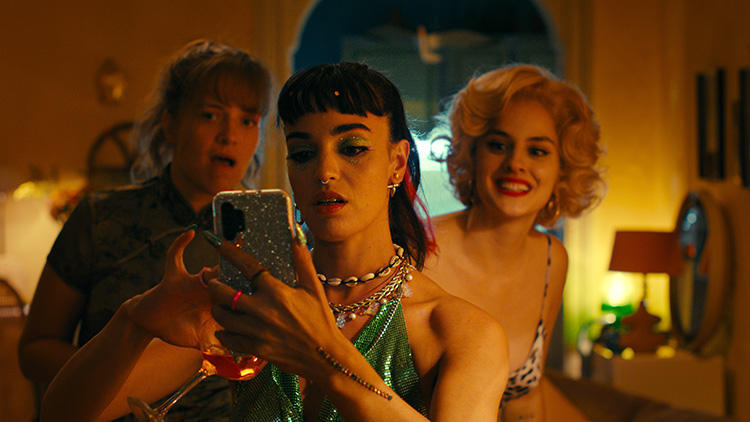
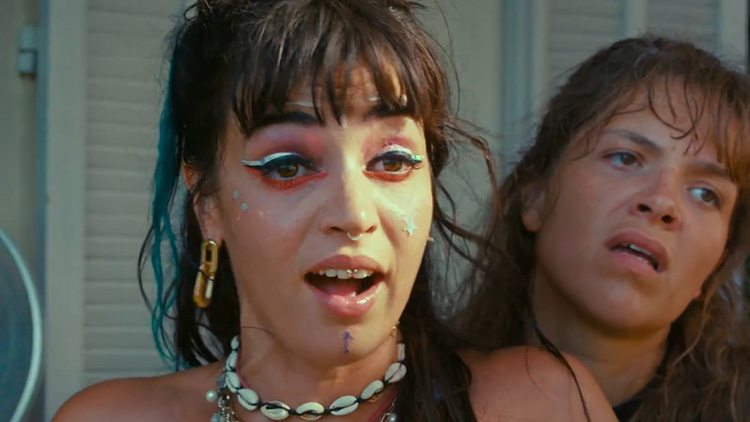
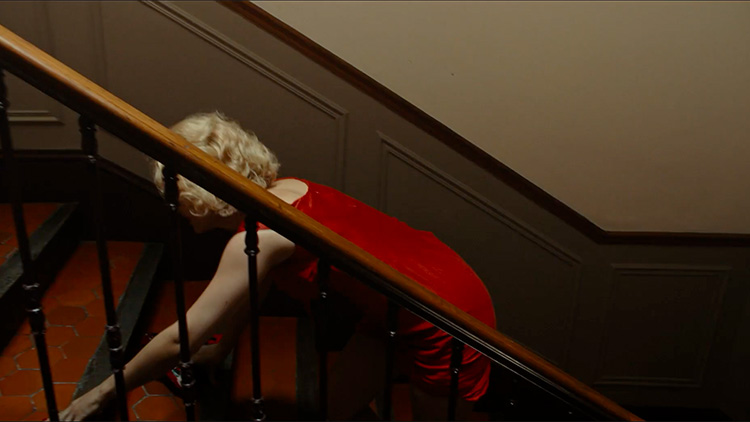
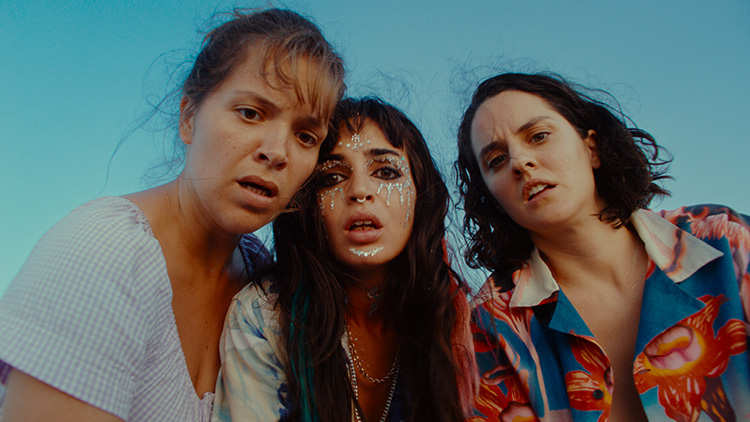
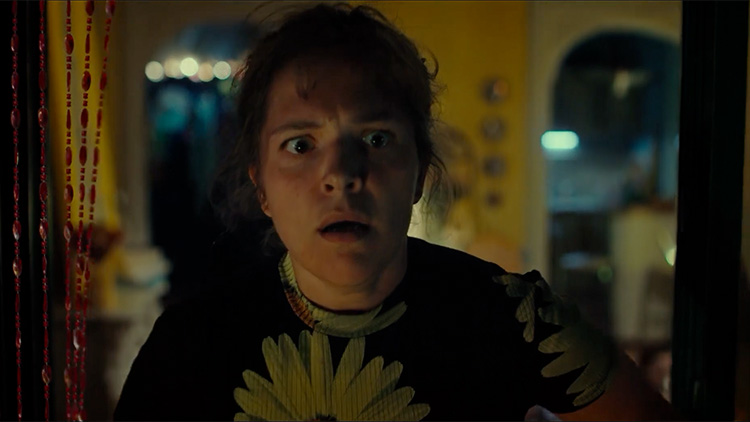
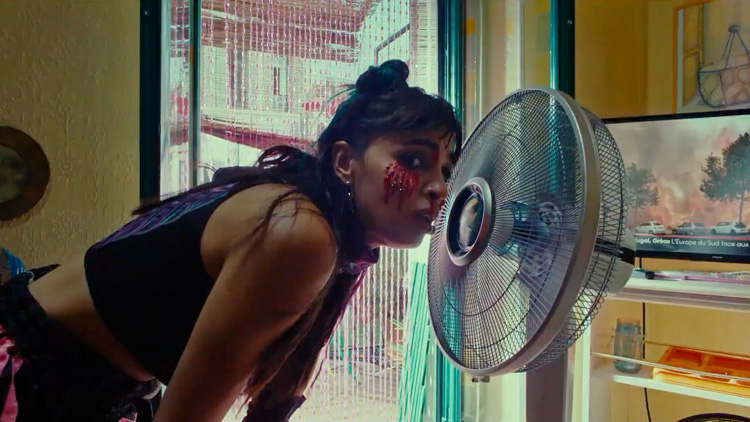
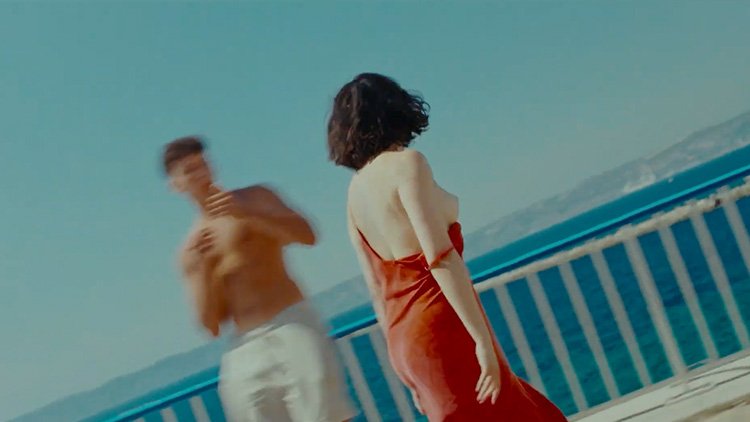
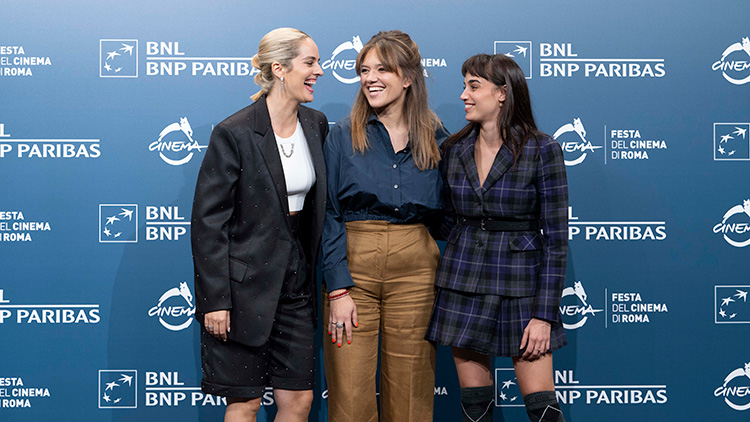
Within the walls of the home, a sense of freedom permeates every scene of Les Femmes au balcon (The Balconettes). This film, directed by Noémie Merlant and already acclaimed at Cannes Film Festival, explores themes of female resistance and sisterhood with a vein of gore humor in an eclectic mix of styles and genres. The story follows three friends and roommates who, after an out-of-control evening, find themselves facing sudden death and a dark secret, all because of a handsome neighbor they see directly from the balcony of their house in Marseille. We spoke with Noémie Merlant, Souheila Yacoub, and Sanda Codreanu on a Saturday morning at the Rome Film Festival to learn more about this extraordinary work.
Les Femmes au Balcon / Directed by Noémie Merlant
“Noémie, what does freedom mean to you?” I ask, opening the conversation. The director, with a reflective light in her eyes, replies, “Freedom is a space where you can express yourself. Our freedom ends where someone else’s begins. Sometimes, our own bodies don’t belong to us. As women, freedom is directly related to the space we occupy with our bodies, in relation to society and our desires. I can’t think of freedom without thinking about respecting the spaces of others.” Sanda Codreanu adds with a note of serenity, “This morning I woke up and listened to a podcast about freedom. Freedom is being at peace. You need space and tranquility to feel free. Knowing who you are and accepting who you are.” Souhelia Yacoub passionately concludes, “For me, freedom is when I feel that my opinions and choices matter. Because I know myself, and this kind of freedom makes you feel safe.”
Les Femmes au Balcon / Directed by Noémie Merlant
The film also carries a beautiful message of cultivating trust among women. When I ask how Les Femmes au balcon could influence the audience and what messages they hope viewers will take away, all three brighten up. “There’s not much talk about sisterhood, there are many stories of motherhood but not of sisterhood,” reflects Noémie. “In a woman’s life, sisterhood is crucial, and it is for me as well. Sisterhood is as important, if not more so, than love, and it was important for me to show this feeling of sisterhood, love, and friendship.” Noémie Merlant also tells us how the idea for the movie was born: “I started writing alone about four years ago. I needed to leave home, escape a situation that didn’t make me feel fulfilled. I took refuge with my friends, including Sanda Codreanu, who plays Nicole in the film. She lived with her sisters, who are also my good friends. I lived for several months in this sort of gynoecium, a different living dynamic. I had never lived alone or with other women, and it did me a lot of good. There were many discussions among us about our dreams, our traumas, our desires, and patriarchal oppression.”
Les Femmes au Balcon / Directed by Noémie Merlant
The collaboration with Céline Sciamma was fundamental for Noémie: “Céline Sciamma followed the development from afar from the beginning. Then she offered to help me write the film, with an enthusiasm that moved me. We never stopped talking about it since the time of Portrait of a Lady on Fire. There was already an ongoing dialogue between us, she knows my world very well, understands my personality and also my way of writing, which is quite exuberant and unstructured. The writing process was very fluid, Céline suggested things without imposing anything, understanding my intuitions: my desire to explore genre, comedy, the slightly crazy side, the ghosts, which were essential to me. Without taking anything away, she allowed me to assert my decisions, to strengthen them. She also helped me strengthen the structure to make the film freer, to enrich the characters, their trajectories and to develop, I believe, a certain sisterly poetry.”
Les Femmes au Balcon / Directed by Noémie Merlant
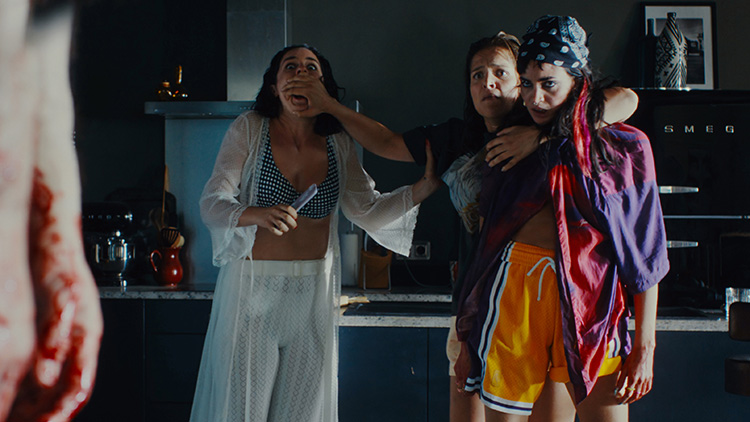
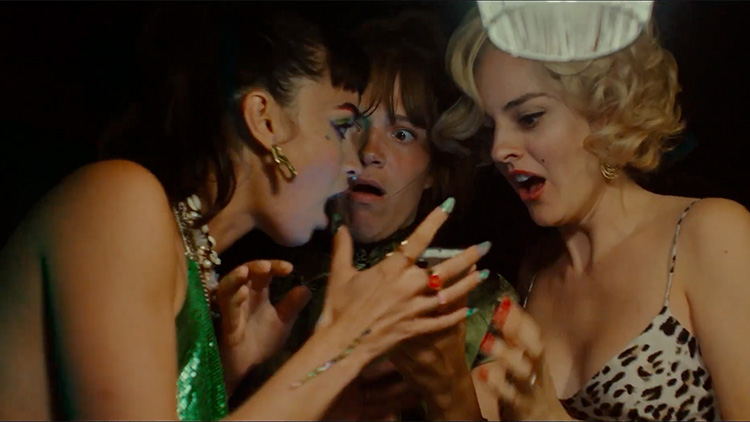
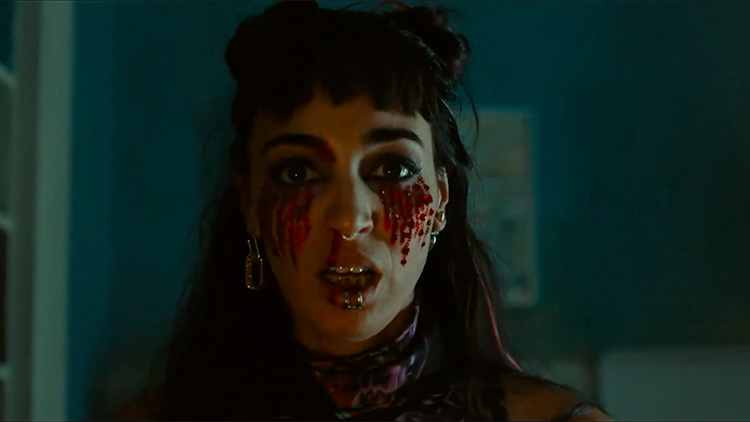
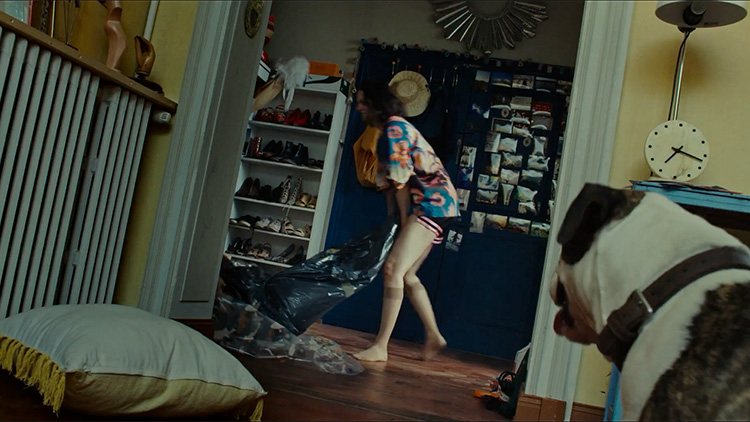
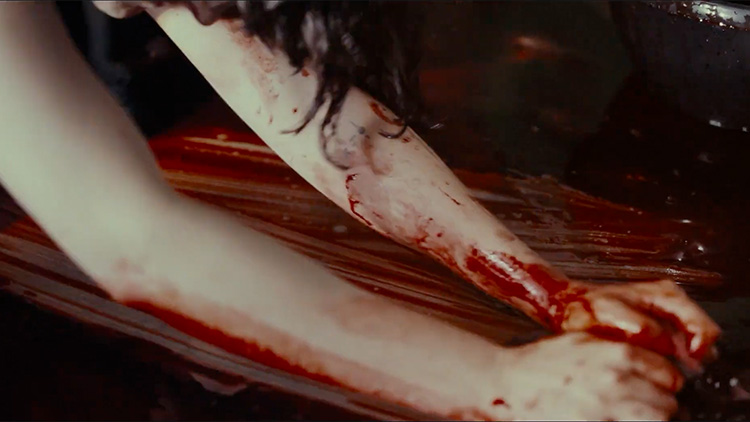
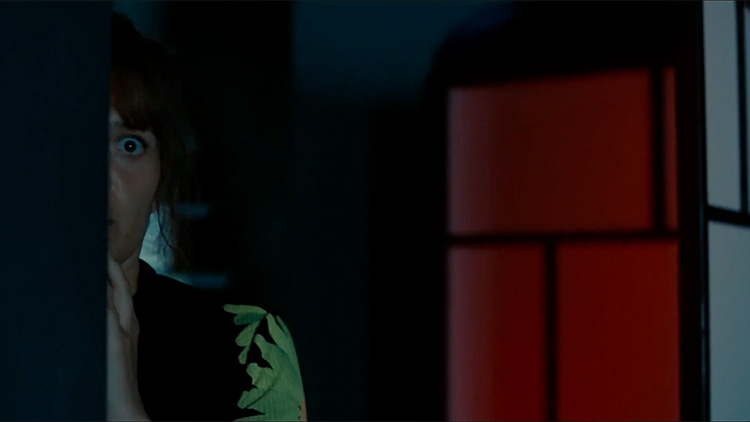
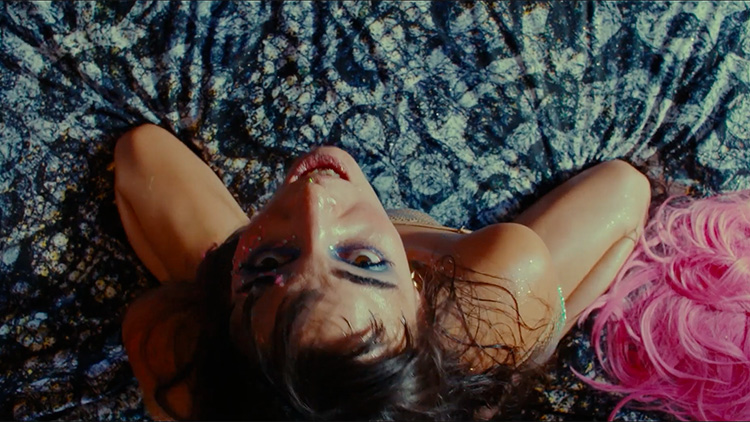
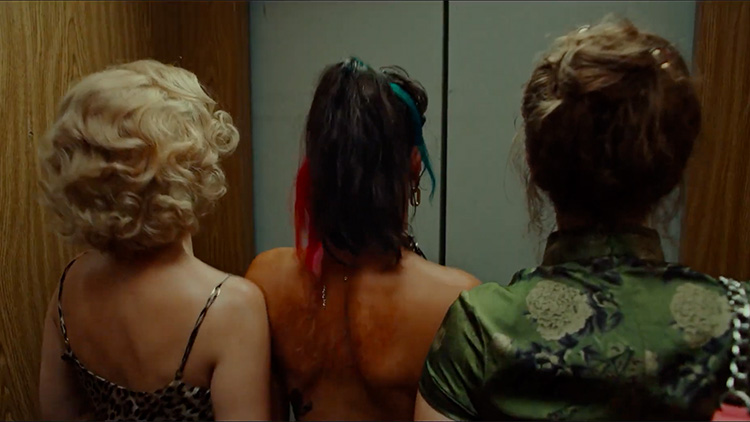
Les Femmes au balcon is a film that combines comedy, horror, the surreal, and sensitive issues like sexism and sexual violence. Noémie explains: “It’s a style I love and that touches me particularly, and that in the end resembles me. This seemed to me the most interesting way to describe femininity and explore everything I had to tell. I wanted a mix of forms and colors, a free and exuberant film that bordered on bad taste and vulgarity, while preserving humor, a certain poetry, and strong themes that are very dear to me: female intimacy, rape, its consequences, and patriarchal oppression. I immediately imagined the film as a wild punk farce, but it had to come to life with characters we could identify with. So, I drew from my experience. The abuses the characters undergo, I also suffered them. Filming them using humor was the only way to represent them and distance myself from those moments. For me, humor and satire are strong weapons. So besides being liberating, I hope it is also a film that does good, that makes people laugh and think.”
Les Femmes au balcon cast / Photo Mirko Pizzichini
Les Femmes au balcon ultimately draws inspiration from cinema itself, yet it possesses a clear and distinct identity, defined by its focused narrative and aesthetic choices. This is exemplified by the initial long take, which suspends between two opposite buildings, setting the stage for the scenes to unfold. Anticipated for release in theaters in 2025, Les Femmes au balcon promises to be more than just a film, but an emotional and liberating journey for its audience.