Sophie-Anne Herin’s solo exhibition, “Mon Pays, C’est la Lune”, presents a body of work exploring themes of the magical and the lunar, where the delicacy of an intimate and secretive sensibility intertwines with the hunting feeling of a dream interrupted midway.
The show unfolds as a narrative composed of untitled pieces, clues pointing to ancestral truths. It opens with a large, extremely close full moon and continues with two majestic and monumental works that invite the viewer to cross a threshold between the real and the oneiric.
A sequence of photographs follows, filled with seemingly elusive and fleeting impressions that are potent as primordial symbols. The deep blacks allow for the emergence of a semi-hidden inner light. Shades of grey shimmer like enigmatic shifts, revealing an elusive dream rising from undulating, aquatic depths.
Illuminated by revelatory beams of light, the blacks and whites come to life, conjuring a rarefied and visionary atmosphere.
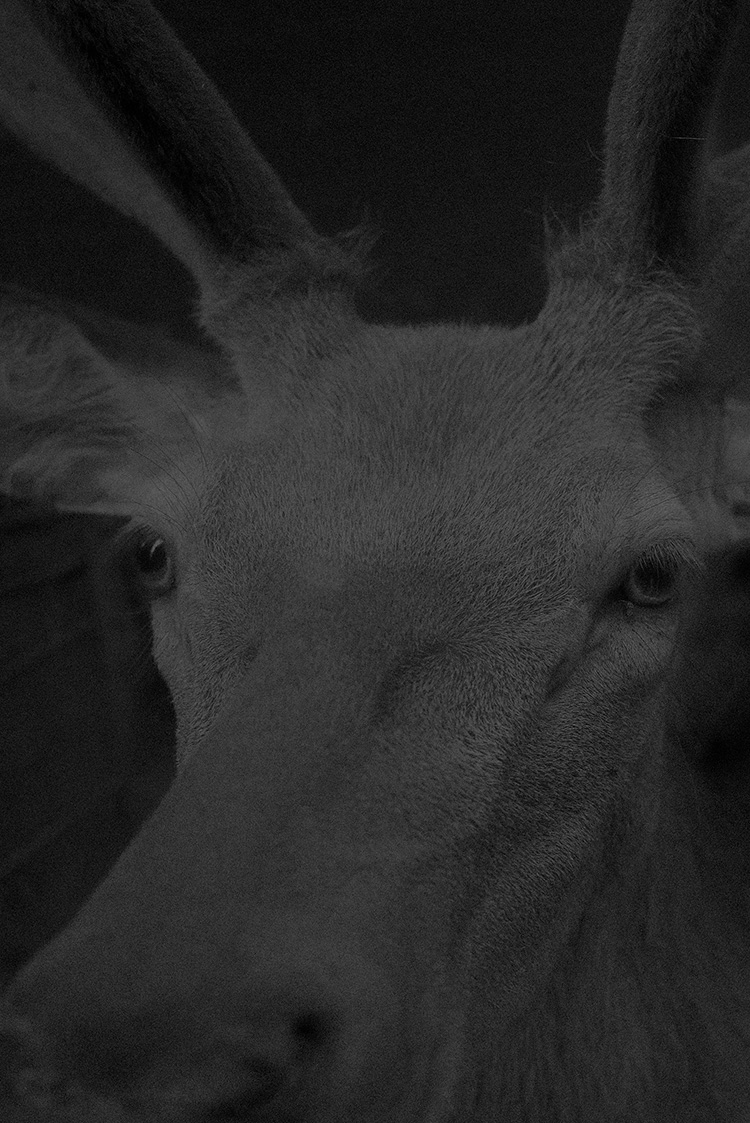
Elements of the fantastic merge with fragments of reality in a narrative that feels like the mythology of another place maybe distant, yet still reachable: the artist’s motherland. Herin’s works are born from dreamlike experiences, where each image, subject, and interpretation is possible. The gallery space contains the power of both dream and nightmare, in a place where no clear boundary separates the two allowing the viewer to perceive the unease and revelation carried by the artist’s luminous vision.
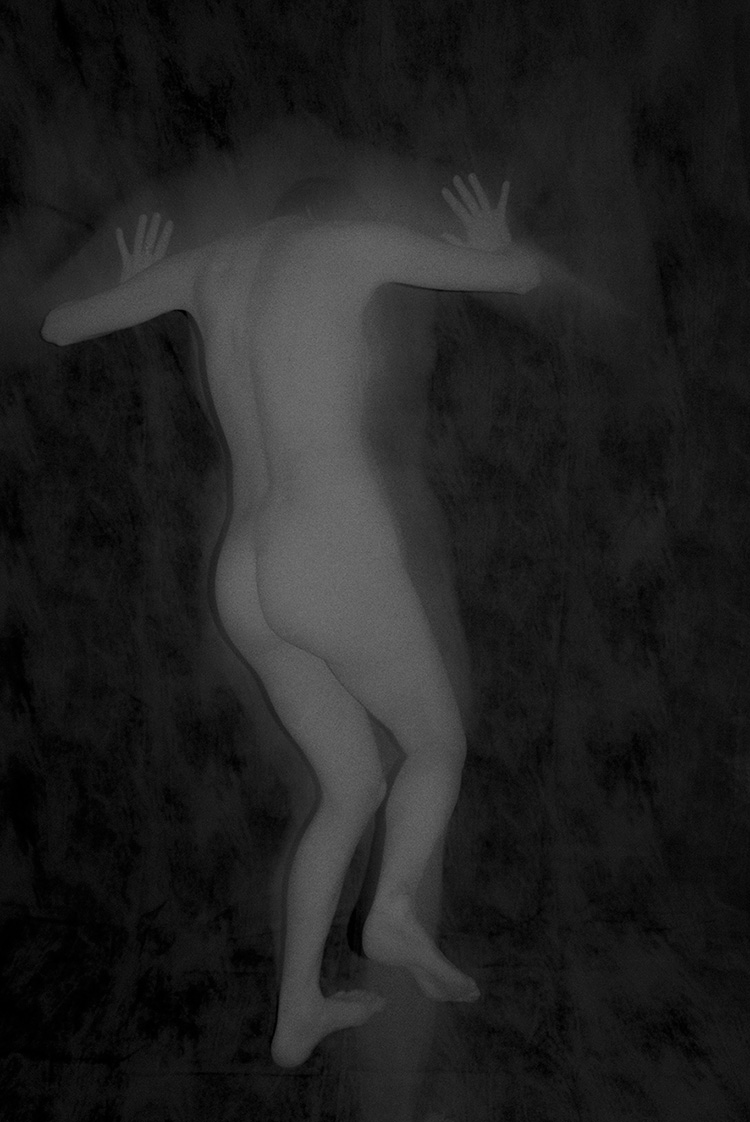
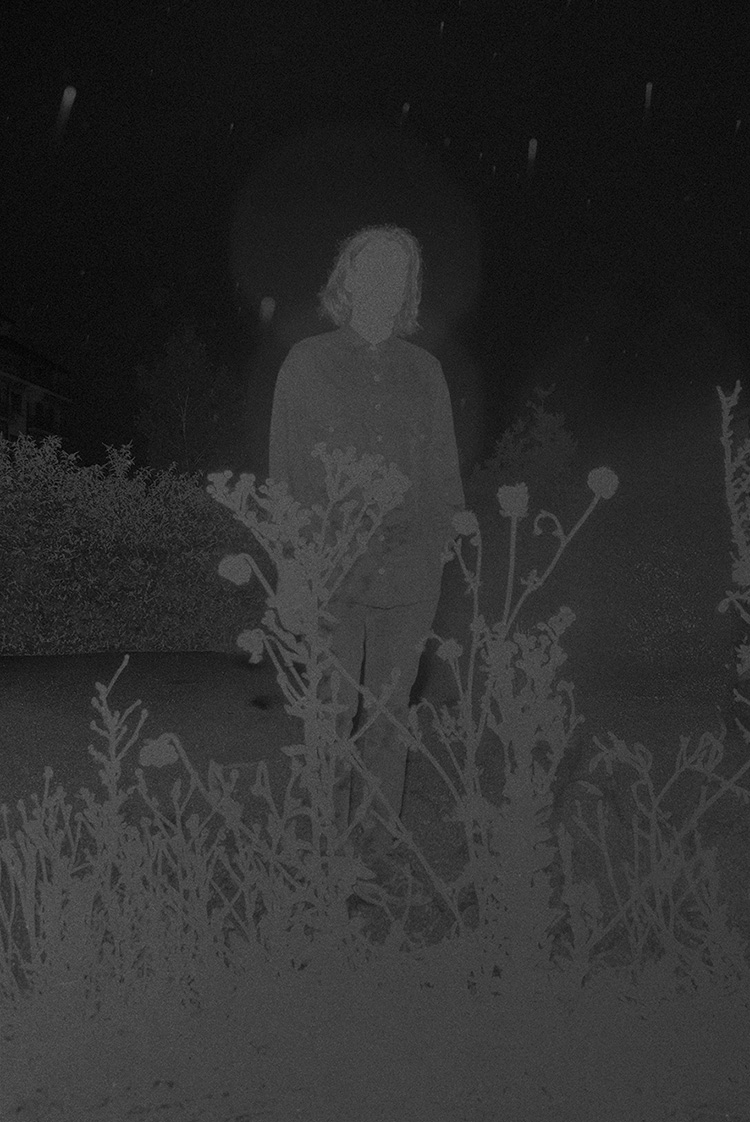
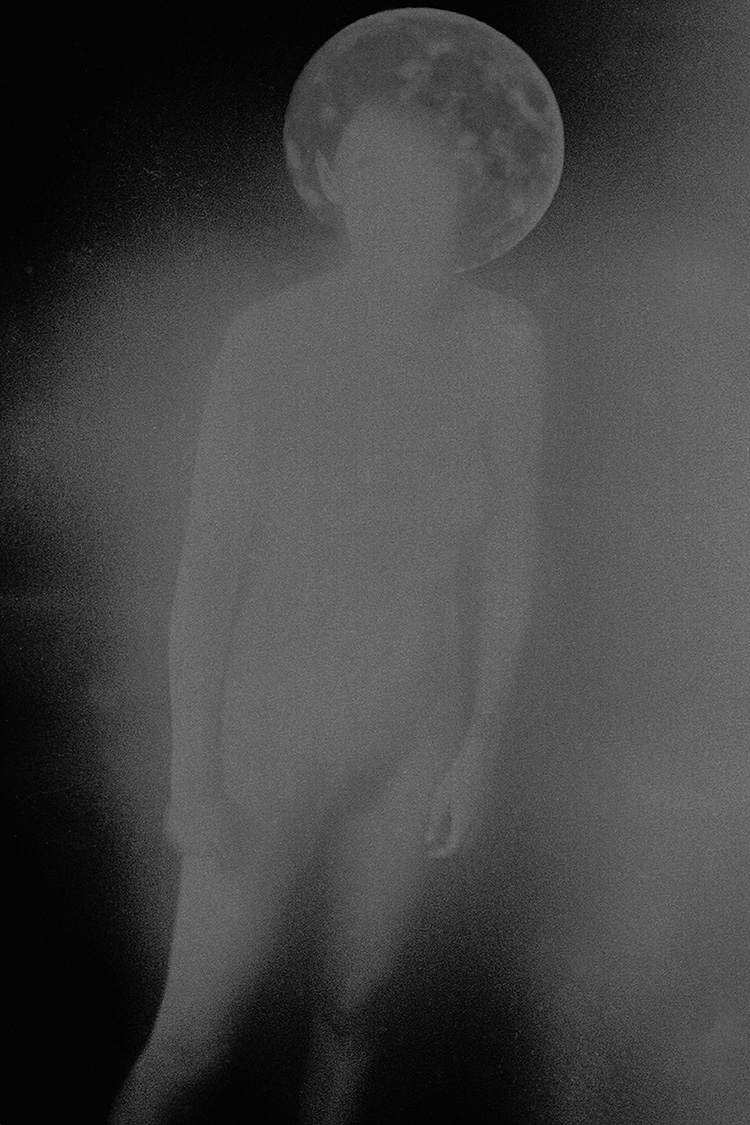
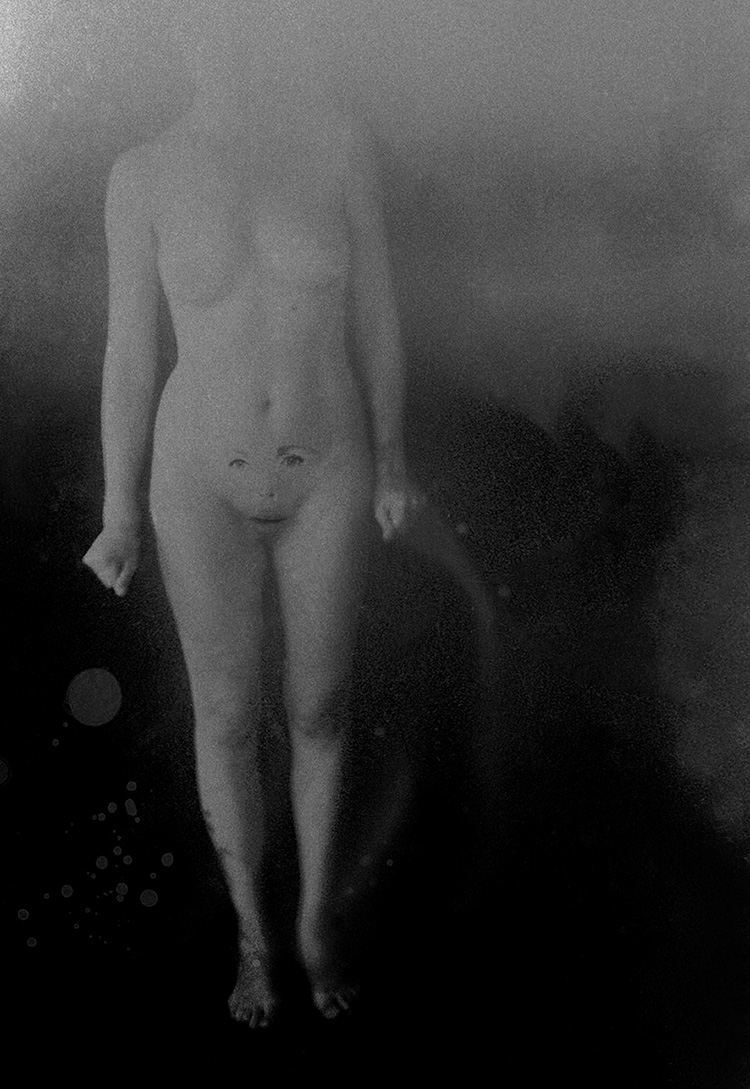
The exhibition opens with two large-format photographs printed on fabric—majestic and ambiguous. Two towering female figures welcome the viewer as threshold guardians: women’s bodies whose anatomy appears transfigured into a universal form. Immanent in their posture yet transcendent in presence, they stand out starkly against a disquieting black backdrop, revealing themselves in light and ambivalence.
Two female figures, with a moon in place of their heads and a face in place of the pubis, appear hazy in the room: their clenched fists impose a silent command to obey.
They stand before us as the final step that connects Herin’s surreal world with the real one.Unrecognizable as fully human, yet intelligible as liminal beings, these figures greet the viewer and guide them through enchanted forests and secret gardens where sound is muffled and images lead the way.
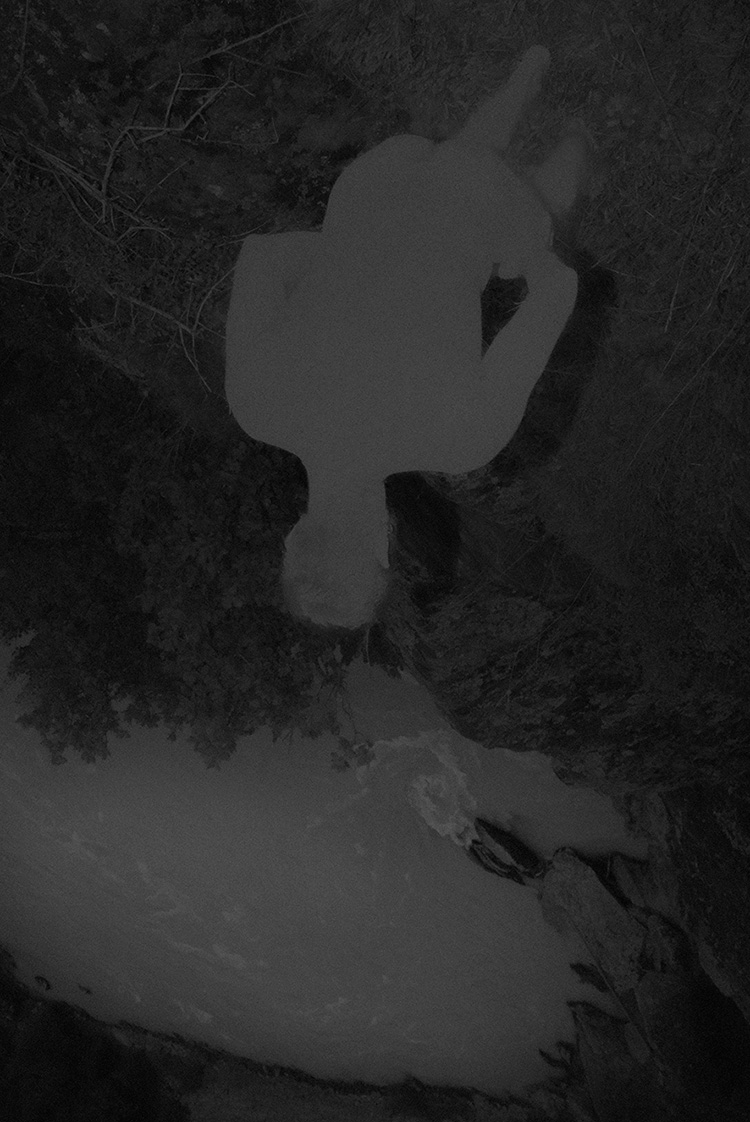
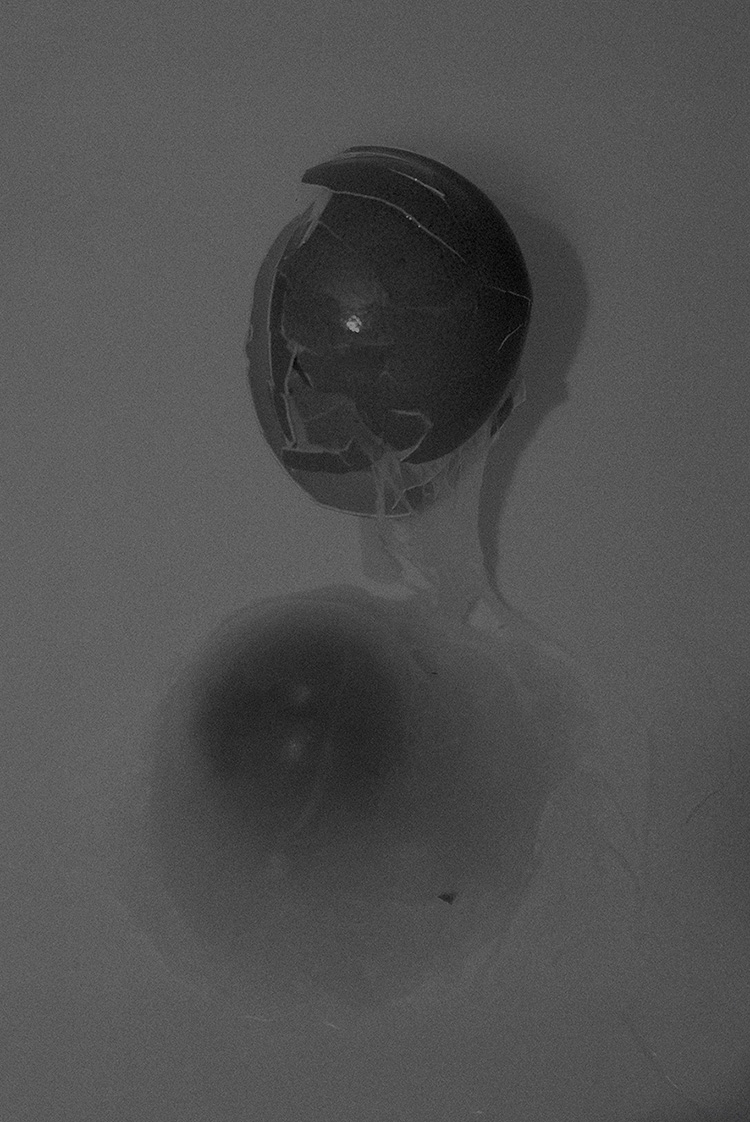
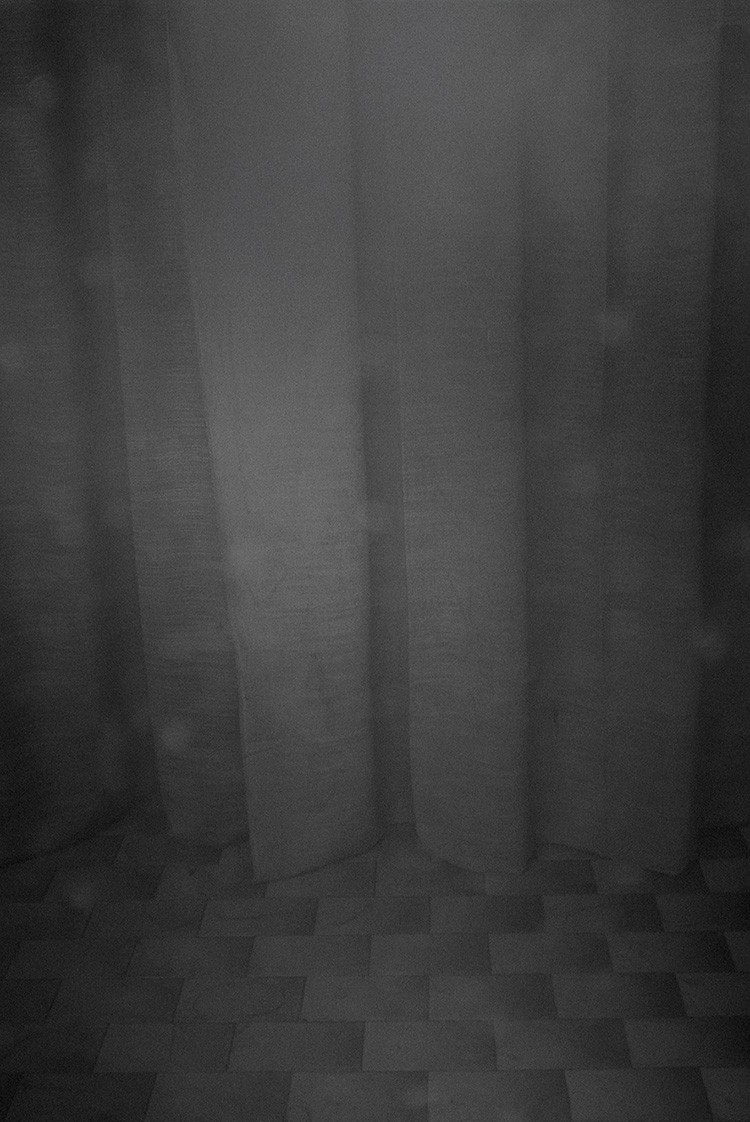
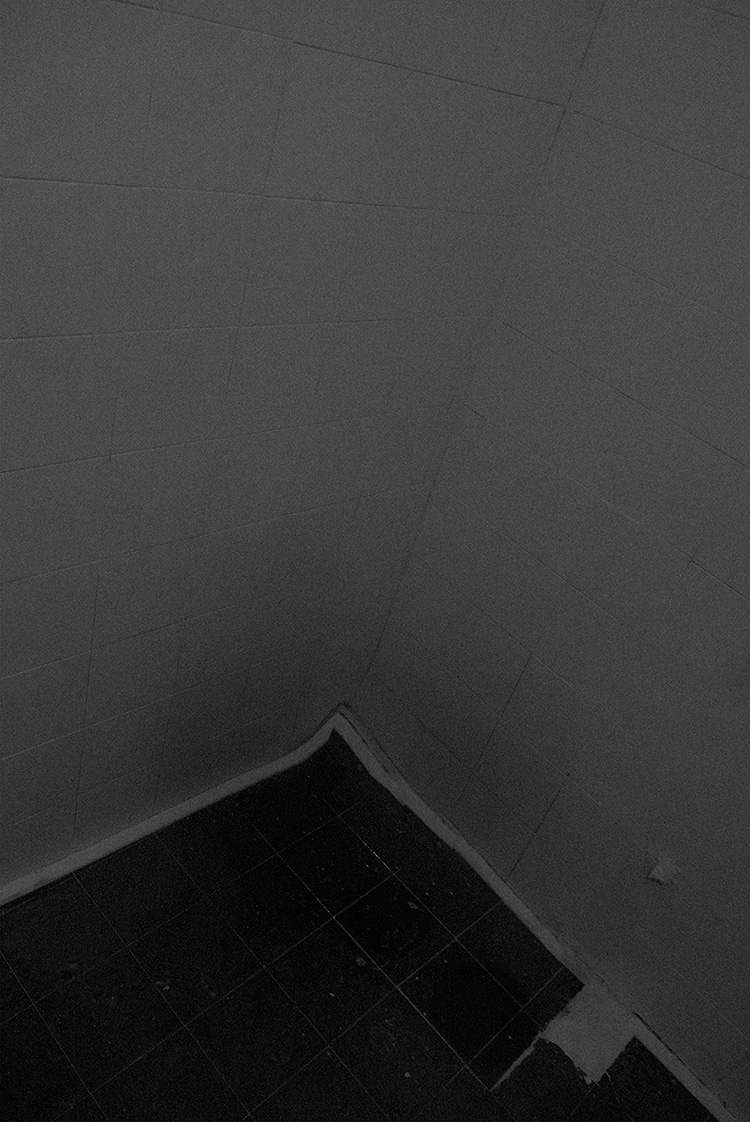
Corners and fragments of half-remembered domestic interiors are presented in their incompleteness, yet acquire a universal quality, while alienating subjects are inverted from reality into oneiric imagination and dissolve into ethereal tones illuminated only by faint glimmers, like light reflected from the moon.
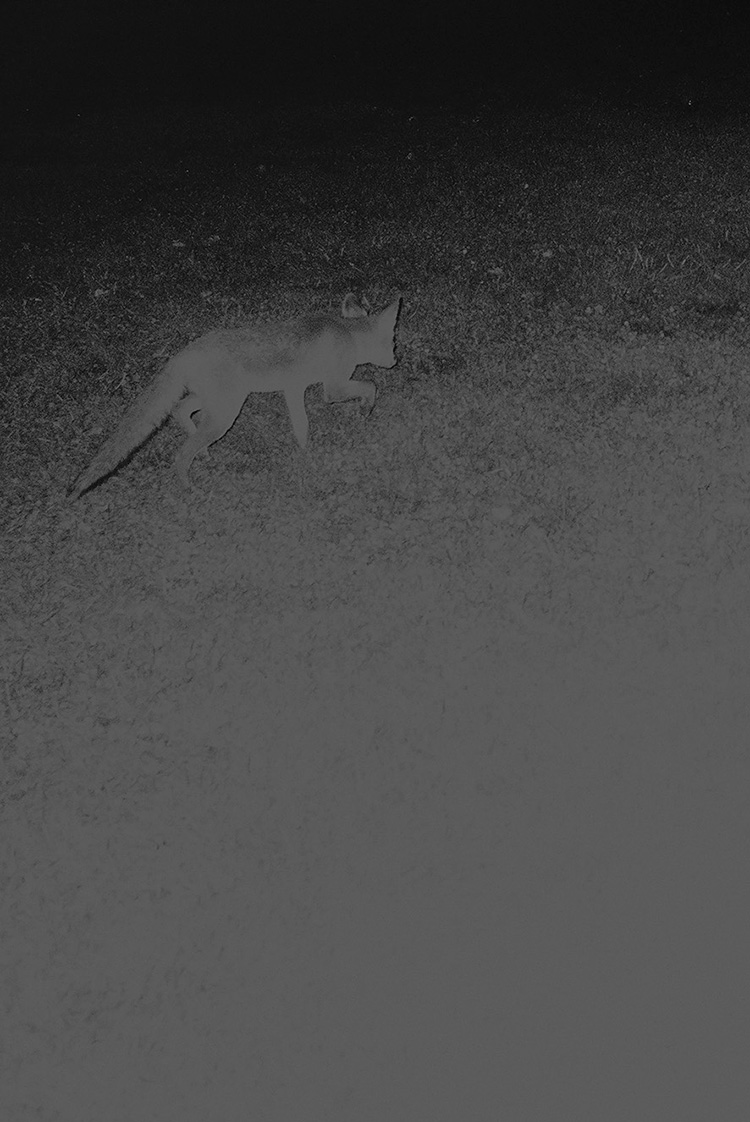
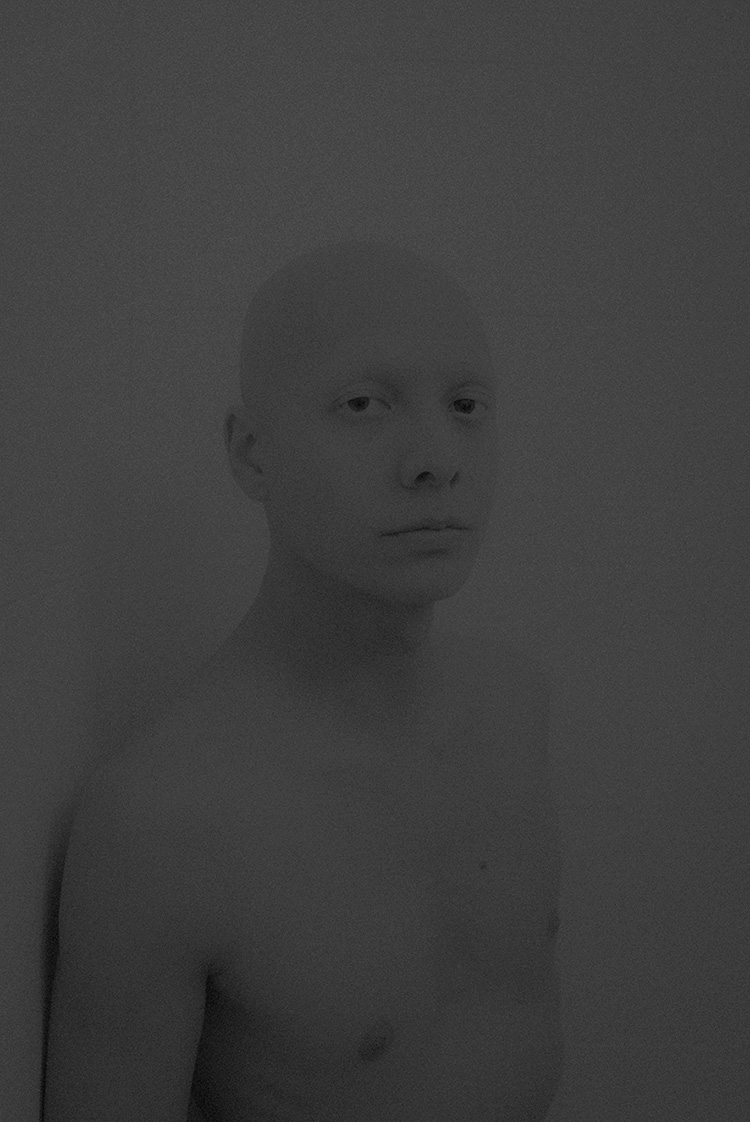
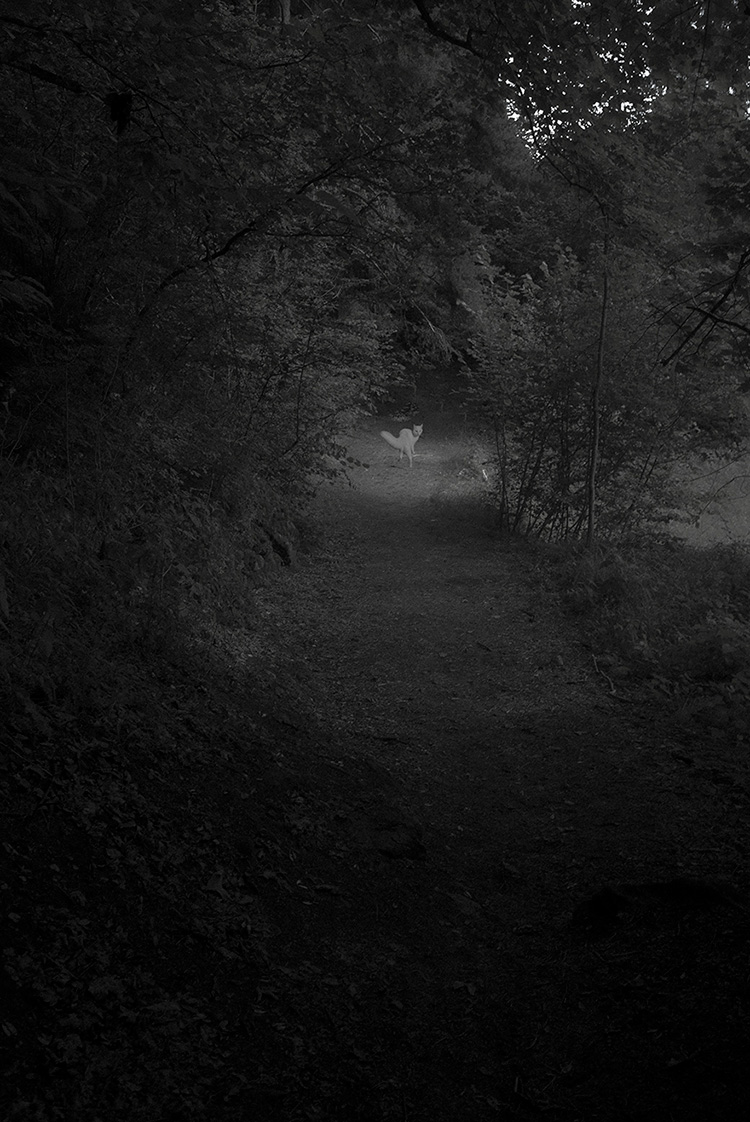
Bodies captured in unusual postures appear as if swimming through an imagined body of water, alongside other figures: some stern, some clearly defined and impossible to ignore; others emerging like fellow travelers encountered along the way into Herin’s world.It the end of the sequence, a white fox appears in the distance, revealed by a sacred glow. It turns to look at us and invites us to follow it into the depths of a forest path as an apparition, a sign of an endless journey.
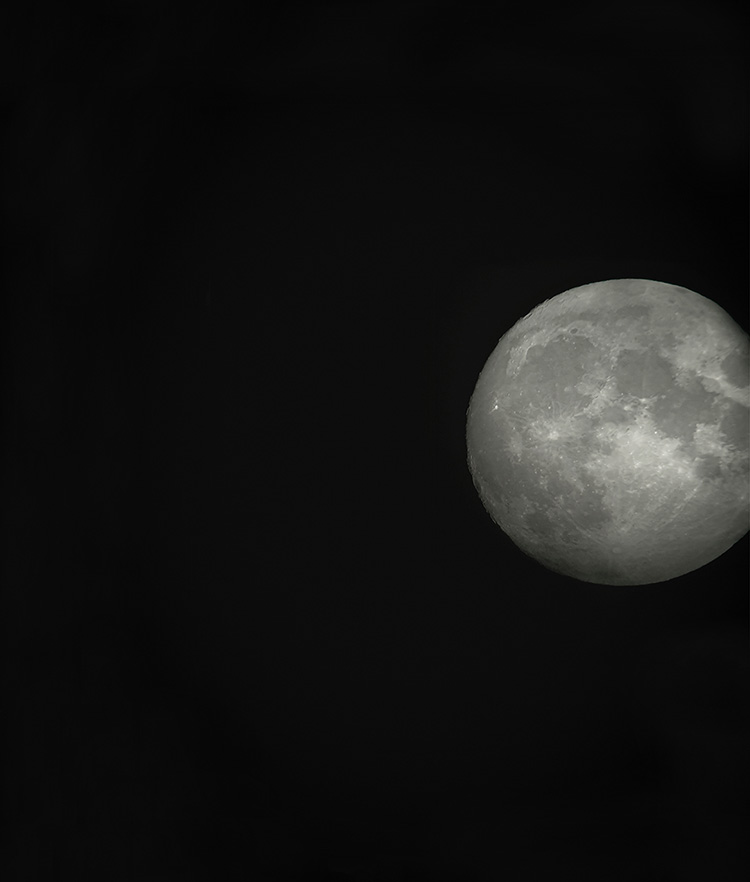
If the moon is the artist’s homeland, what we perceive of her enchanted, fairytale-like, and surreal place of origin are glimpses of a world that does not require light, for it finds its very reason for being in the dark.
It is a world that speaks through intuition, offering visionary clues, momentary glimpses of something veiled and nebulous that lingers, opaque, in the very moment when the dream seems to end but in truth expands and bleeds into the waking state of a dreamlike reverie.
Herin’s dream is contagious. Ambiguous to the point of becoming unforgettable.Her lunar world is inescapable: it calls to be visited and forbids being left behind.
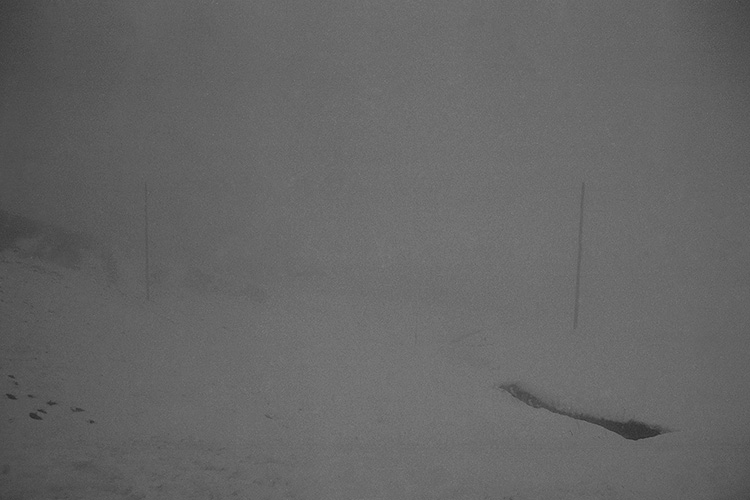
The imprint of our first step is only the beginning of many more, dissolving into dominant shades of grey and silver-toned atmospheres. These footprints become faint traces in the mist of a land made of vapor and fog, where, once entered, one can only imagine the possibility of ever leaving.
Sophie-Anne Herin began her artistic path in Bologna, where she earned her degree in Performing Arts (DAMS). In 2006, she moved to Paris to continue her artistic studies. In 2008, she approached photography, studying at IED in Turin.
She soon began exhibiting her work in both Italy and abroad. Alongside her career as a photographer, she also works in education, leading workshops and photography courses at various institutions across Italy (including CAMERA – the Italian Center for Photography in Turin, and the Independent Center for Photography in Naples).
She currently lives between Turin and Aosta.
Sophie-Anne Herin: Mon Pays, C’est la Lune
April 18 – June 7, 2025 / Weber & Weber
Chiara Causo
Visit the website >