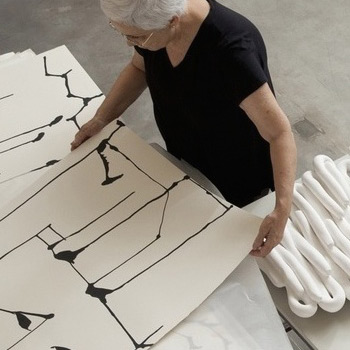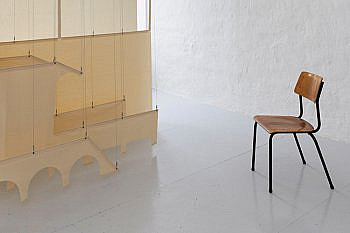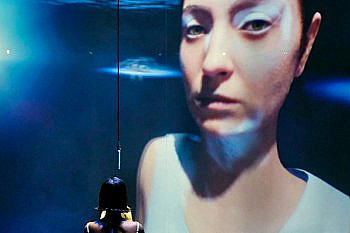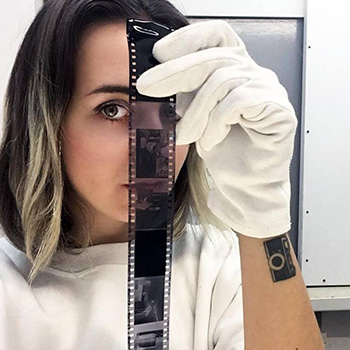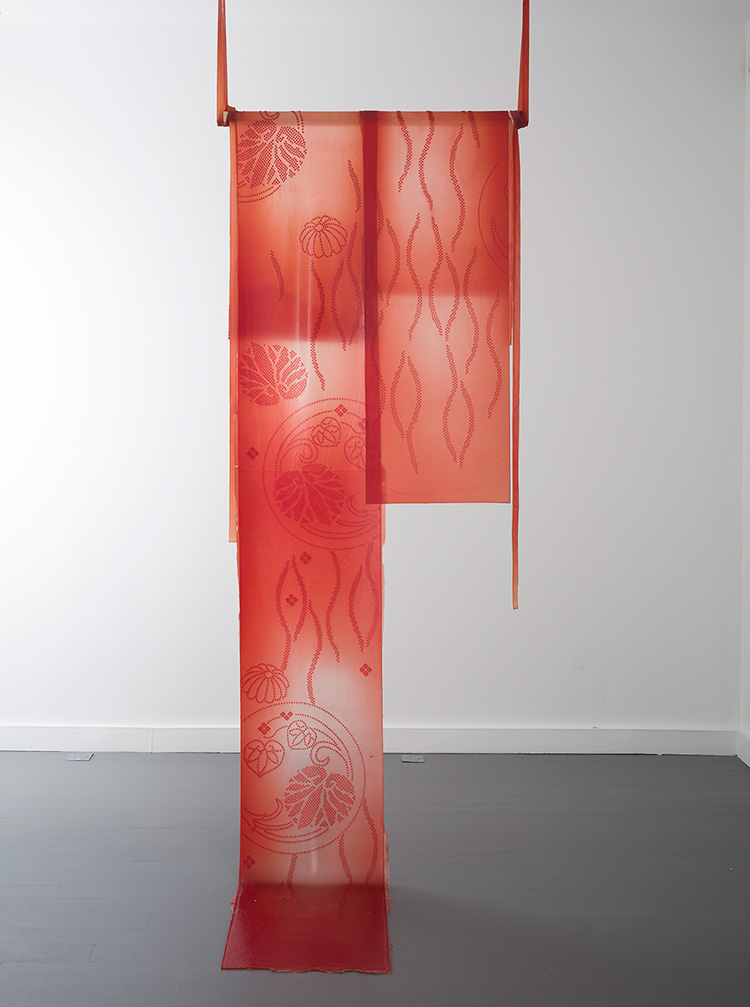
Rossella Biscotti, Maiko, 2022. Installation view, mor charpentier gallery, Paris, 2019 Courtesy the artist / Photo François Doury
Last month we spent a morning at Castello di Rivoli with its curators. Castello di Rivoli, one of the most prominent contemporary art museums in Italy, is now hosting three different exhibitions, connected to Exposed, the first international Festival of Photography that took place in Turin this spring. The three exhibitions, “Expanded With,” “Rossella Biscotti. Title One, I dreamt, Clara and other stories,” and “Paolo Pellion di Persano. The Simple Story of a Photographer” share many common grounds. All of them investigate the core of photography and humanity, documenting all the upheavals and steps that brought us to our present time. Surveying photography in all its shades, the exhibitions seek to express the medium’s infinite potential.
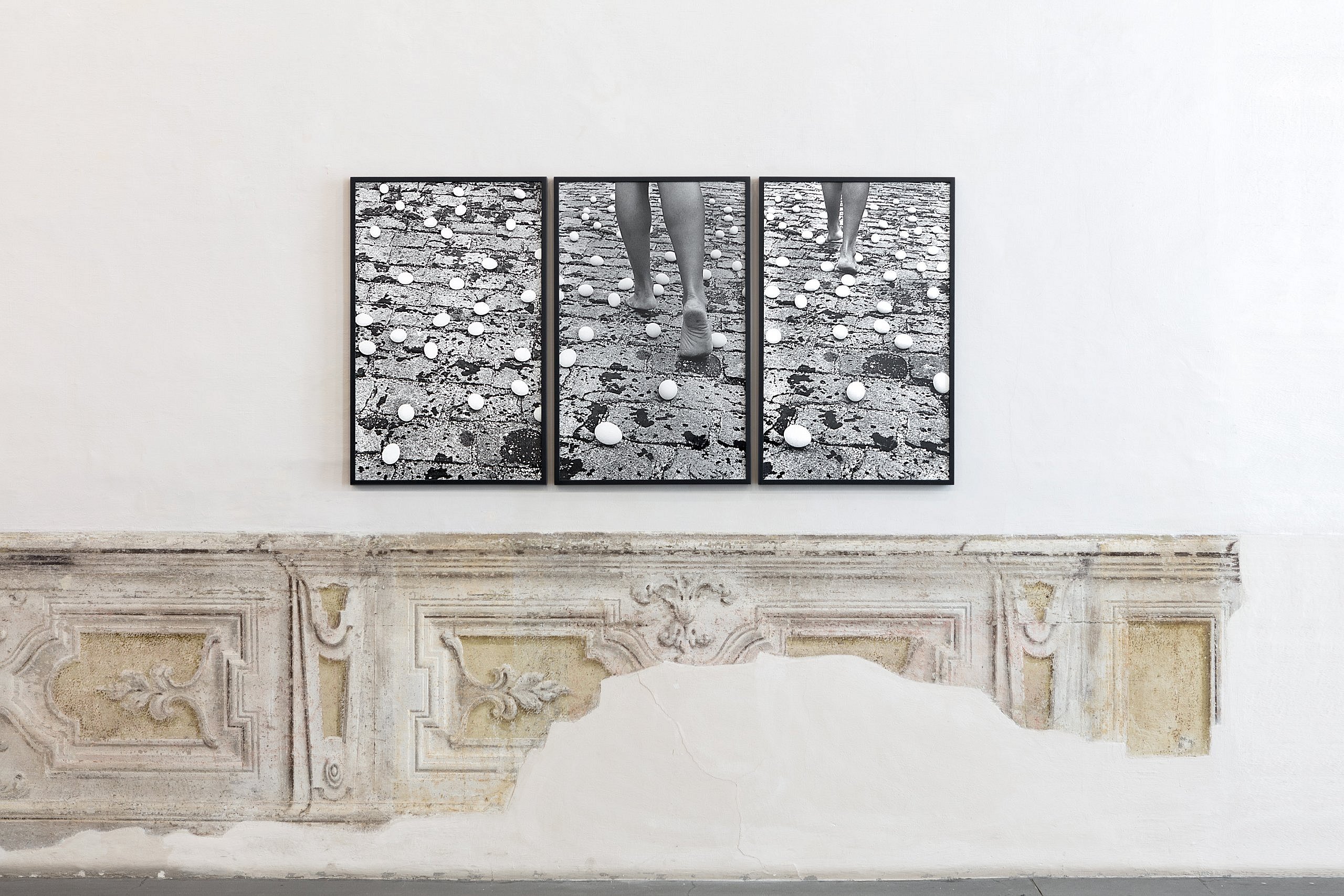
Anna Maria Maiolino, Entrevidas, from the series Fotopoemação, 1981-2010 / on loan from Fondazione per l’Arte Moderna e Contemporanea CRT / Courtesy Castello di Rivoli Museo d’Arte Contemporanea, Rivoli-Torino Foto / Photo Renato Ghiazza
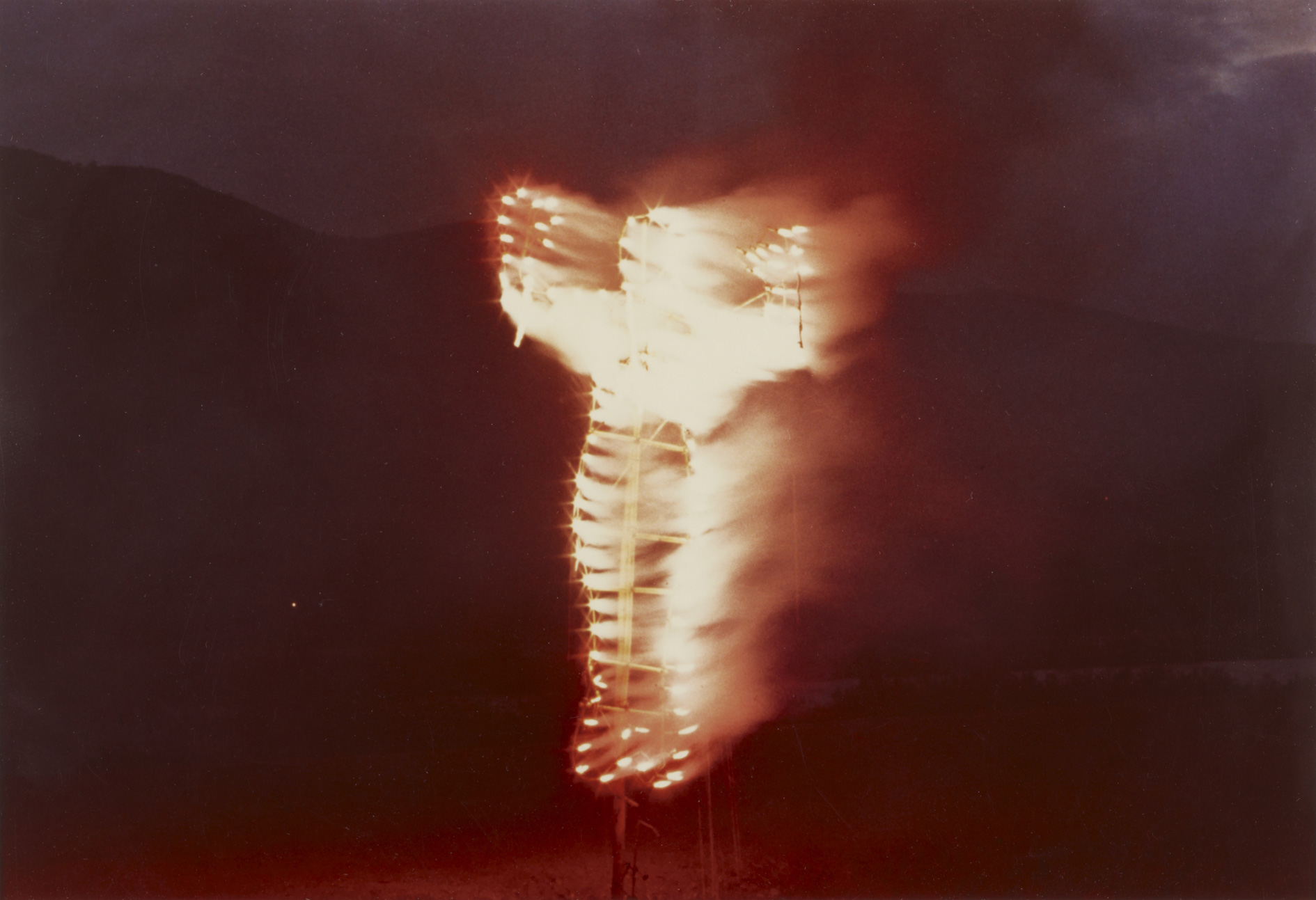
Ana Mendieta, Untitled (Ánima, Silueta de Cohetes), 1976 / on loan from Fondazione per l’Arte Moderna e Contemporanea CRT / Courtesy Castello di Rivoli Museo d’Arte Contemporanea, Rivoli-Torino
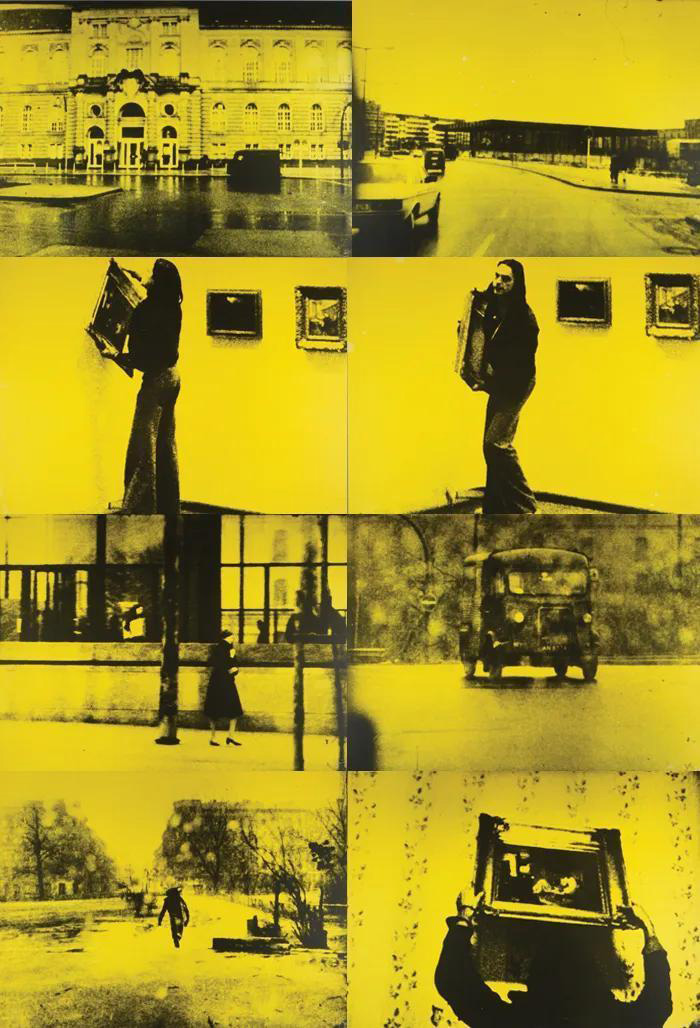
Ulay, There is a Criminal Touch to Art, 1976 © Ulay / Courtesy Castello di Rivoli Museo d’Arte Contemporanea, Rivoli / On loan from Fondazione per l’Arte Moderna e Contemporanea CRT
Rossella Biscotti, I dreamt that you changed into a cat…ha ha, 2013 / Installation view: Palazzo Enciclopedico, 55a Biennale di Venezia, Venezia/Venice, 2013 / Courtesy of the artist / Photo Ela Bialkowska, Okno Studio
We walked through the first exhibition, Expanded With, accompanied by its curator and the chief curator of the museum, Marcella Beccaria. Expanded With was born in synergy with Exposed and wanted to valorize the photographic artworks present in the collection of the museums in the city. The exhibition is divided in two other chapters, Expanded Without, photography without the use of the photographic media, held at OGR, and Expanded – I paesaggi dell’arte, about the landscapes of photography, at GAM and are curated by Marcella Beccaria and Elena Volpato. The title of the exhibition, deeply rooted in this choice, is a quotation from Rosalyn Krauss’ Sculpture in the Expanded Field – a text where she noted the shift that many artists did in the conception of the work from the 60s, and the shared willingness to get out of the studio and start to use photography as a medium for documenting sculpture and performance, mixing all the media into one without any hierarchy or limit. The artist chosen to open the exhibition is intentionally a woman and one who is iconic, Ana Mendieta. She begins the narrative with her poignant work about nature and the body. The confrontation with different practices is immediate, especially between her work and Dennis Oppenheim on her side. While the themes touched by the two might be similar, the approaches are opposing. Nature is a shared theme with the following artist, Lothar Baumgarten, who decided to leave the studio and go live with indigenous tribes in South America where he documented its landscapes – places that unfortunately bear the traces and the impact of human abuse and exploitation, from the times of colonization to the contemporary exploitation for natural resources.
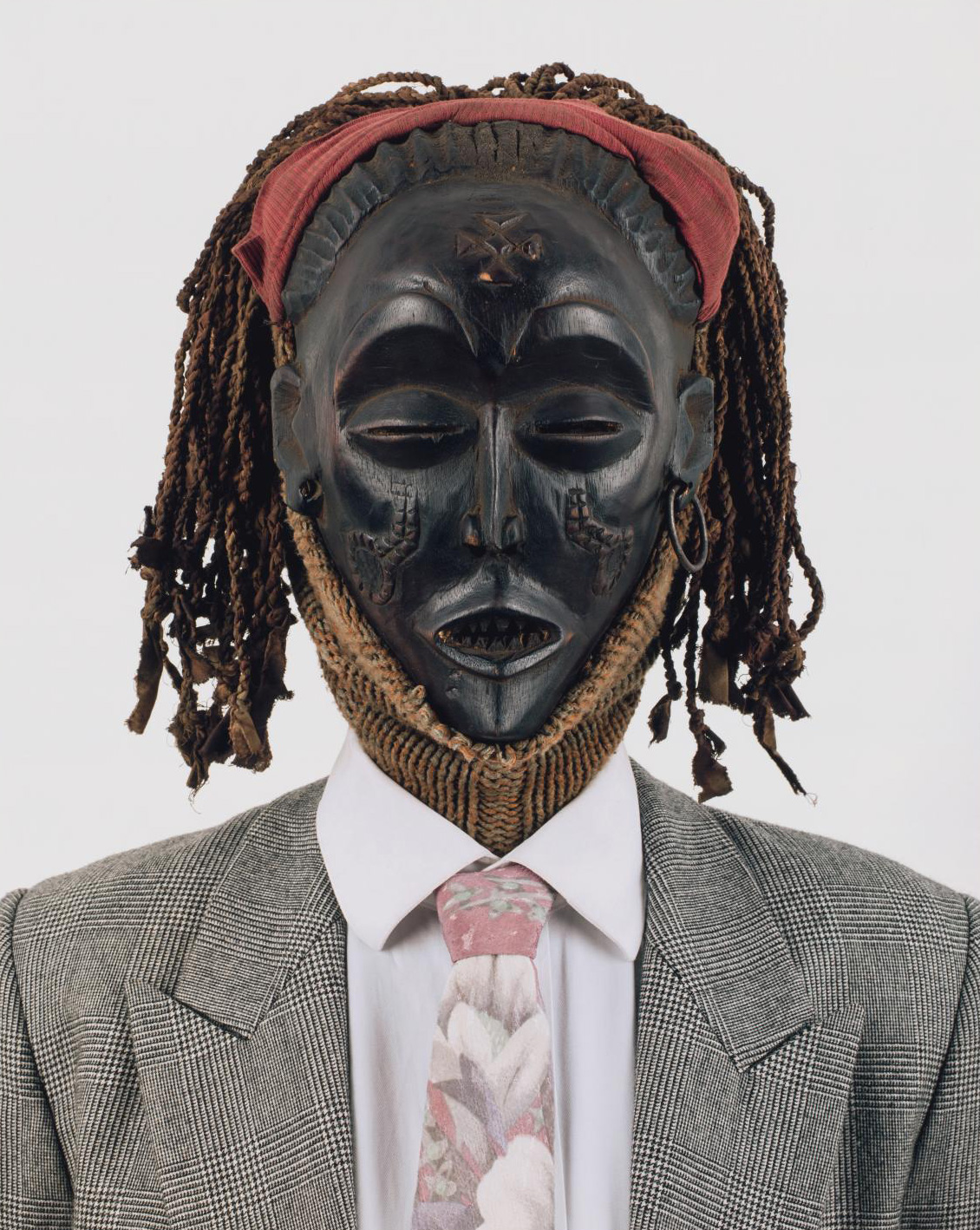
Edson Chagas, Tipo Passe,Nadir. T. Watembo, 2014 © Edson Chagas / Courtesy Castello di Rivoli Museo d’Arte Contemporanea, Rivoli / on loan from Fondazione per l’Arte Moderna e Contemporanea CRT
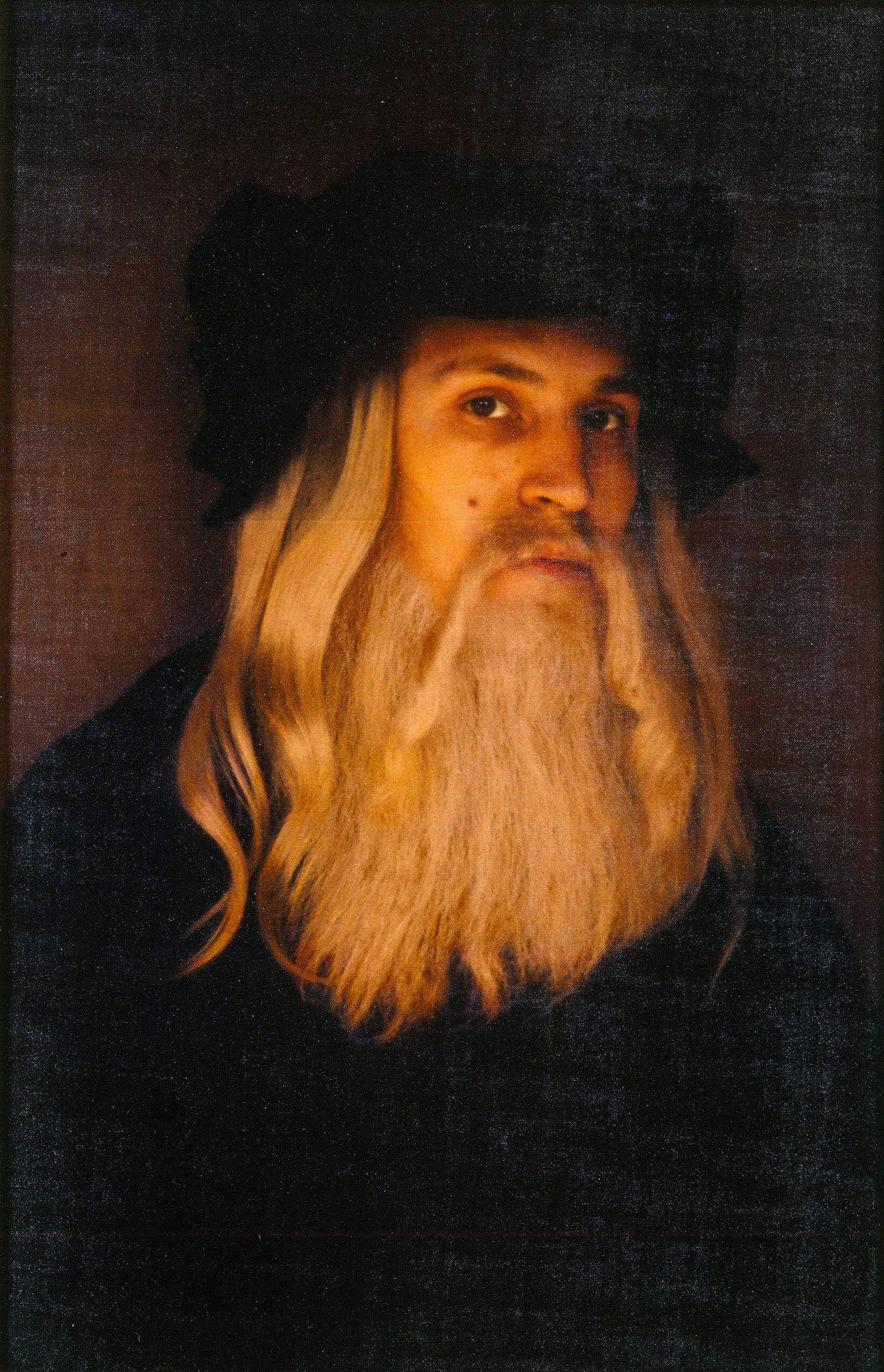
Luigi Ontani, LeonArdo, 1970 / on loan from Fondazione per l’Arte Moderna e Contemporanea CRT / Courtesy Castello di Rivoli Museo d’Arte Contemporanea, Rivoli-Torino Foto / Photo Renato Ghiazza
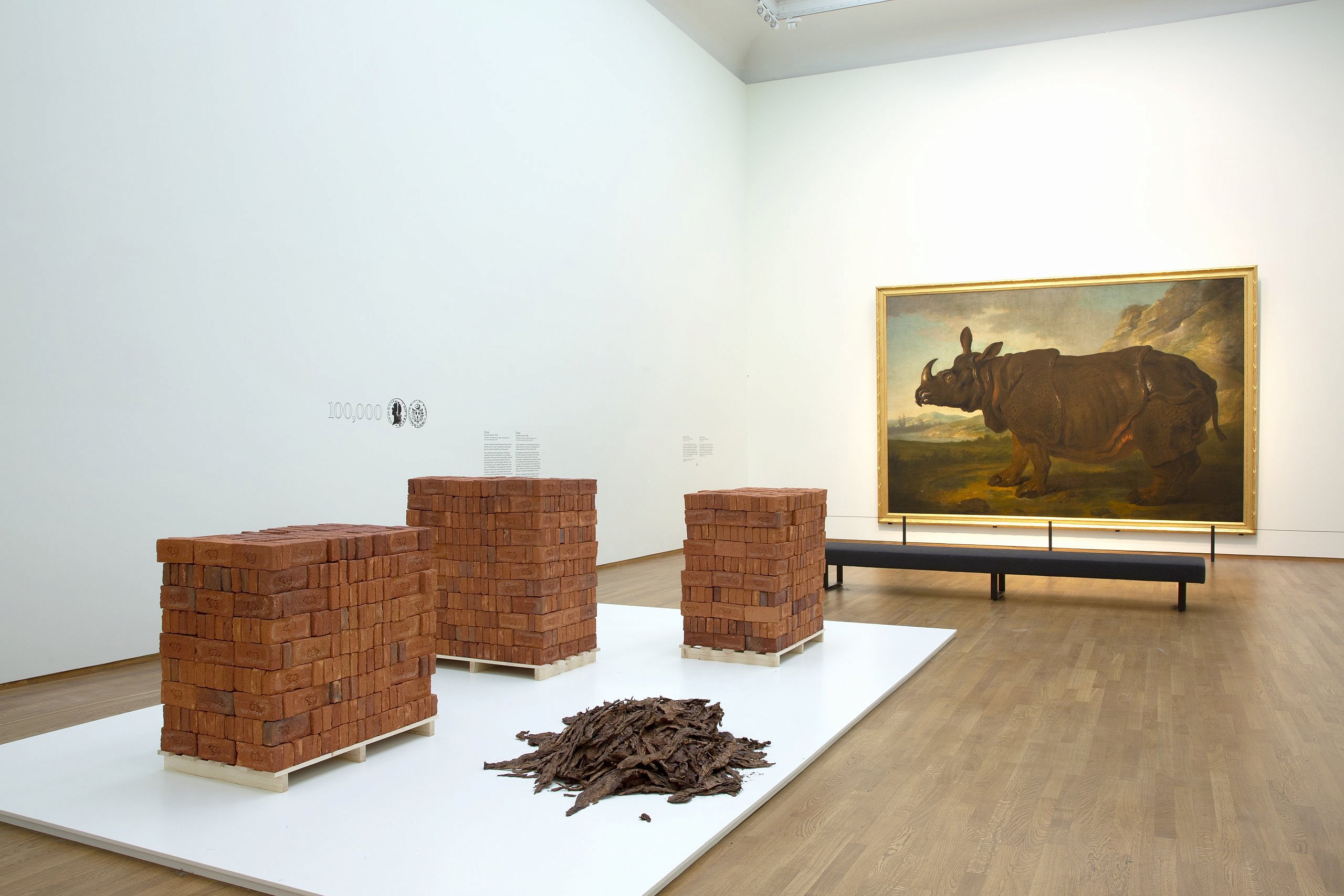
Rossella Biscotti, Clara, 2016, Installation view at Rijksmuseum, Amsterdam, 2022-2023 / Courtesy of the artist / Photo Albertine Dijkema
Another artist who chose to use photography in a different way is Luigi Ontani, in this case using it to document his performances, which could not have been witnessed otherwise. This change is also present in the work by Ulay, with There is a criminal touch to art. This piece documents a peculiar action, the theft of a painting from the Neue Nationalgalerie in Berlin. Regarded as one of the most iconic paintings of 19th-century Germany (and a favorite of Adolf Hitler) depicting a poet in the act of creating in a degraded and bohemien environment, the painting is successfully stolen and taken by Ulay to Kreuzberg, an area of historical migration and social disparities in Berlin of the period. Another artist who speaks about social injustice, this time within the collapsing dictatorship in Brazil is, Anna Maria Maiolino, Leone d’ Oro at the Venice Biennale this year, with a famous performance she did in the 80s, Entrevidas. In this performance she walks between egg shells, an immediate metaphor of the precariousness of life under unfair and totalitarian conditions. The exhibitions continue with Wolfgang Tillmans, who uses photography as a free support, in a fast and an unconventional manner. The series presented is part of the collection of the Castello and they document the underground life of Tillmans and his group of friends, along with images of simple moments of life and political protests. Across from him a series from Edson Chagas, who also uses his friends as models, in this instance, to address the theme of the appropriation of African cultures. The exhibition, opened by Ana Mendieta, closes with another important woman artist, Roni Horn, with a series of pictures about her homeland, Iceland, and about finding a place and an identity within herself and her origins: “Big enough to get lost on. Small enough to find myself. That’s how to use this island. I came here to place myself in the world. Iceland is a verb, and its action is to center.”
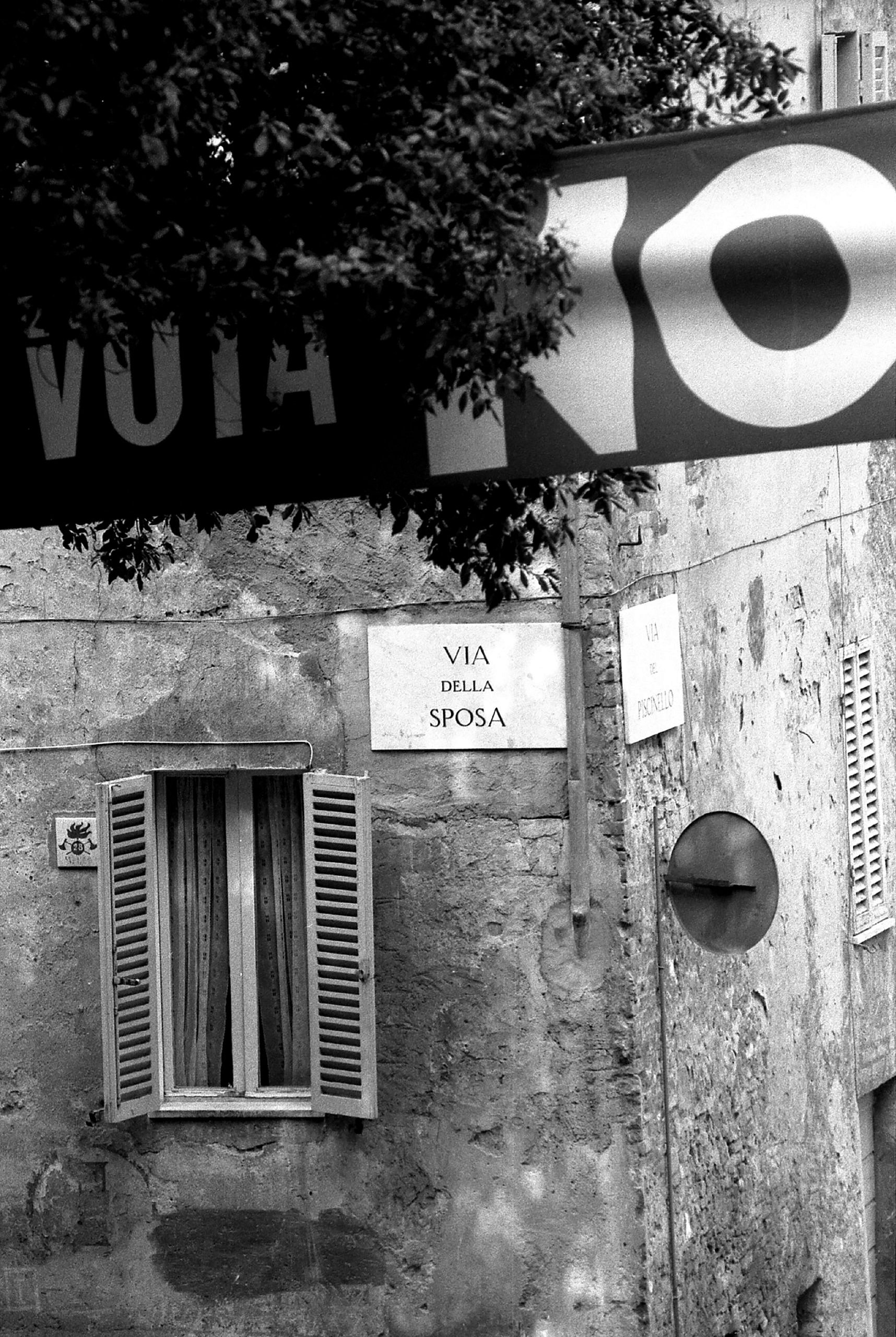
Paolo Pellion di Persano, Demonstration for the referendum on divorce, Perugia, 1974 / Courtesy Castello di Rivoli Museo d’Arte Contemporanea, Rivoli-Torino CRRI – Centro di Ricerca Castello di Rivoli / Donation by the heirs of Paolo Pellion
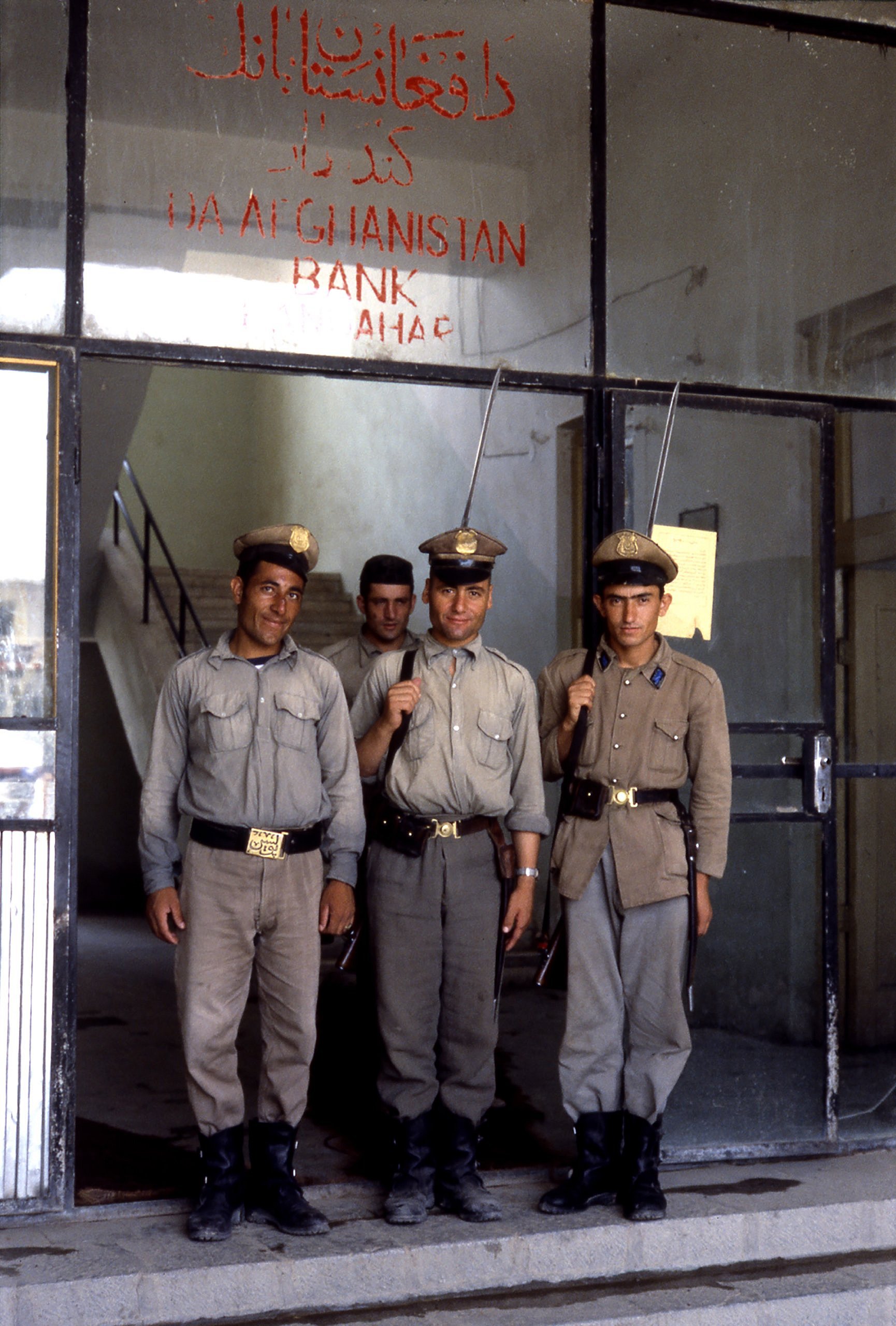
Paolo Pellion di Persano, Military outside a bank in Kandahar, Afghanistan, 1978 / Courtesy Castello di Rivoli Museo d’Arte Contemporanea, Rivoli-Torino CRRI – Centro di Ricerca Castello di Rivoli / Donation by the heirs of Paolo Pellion
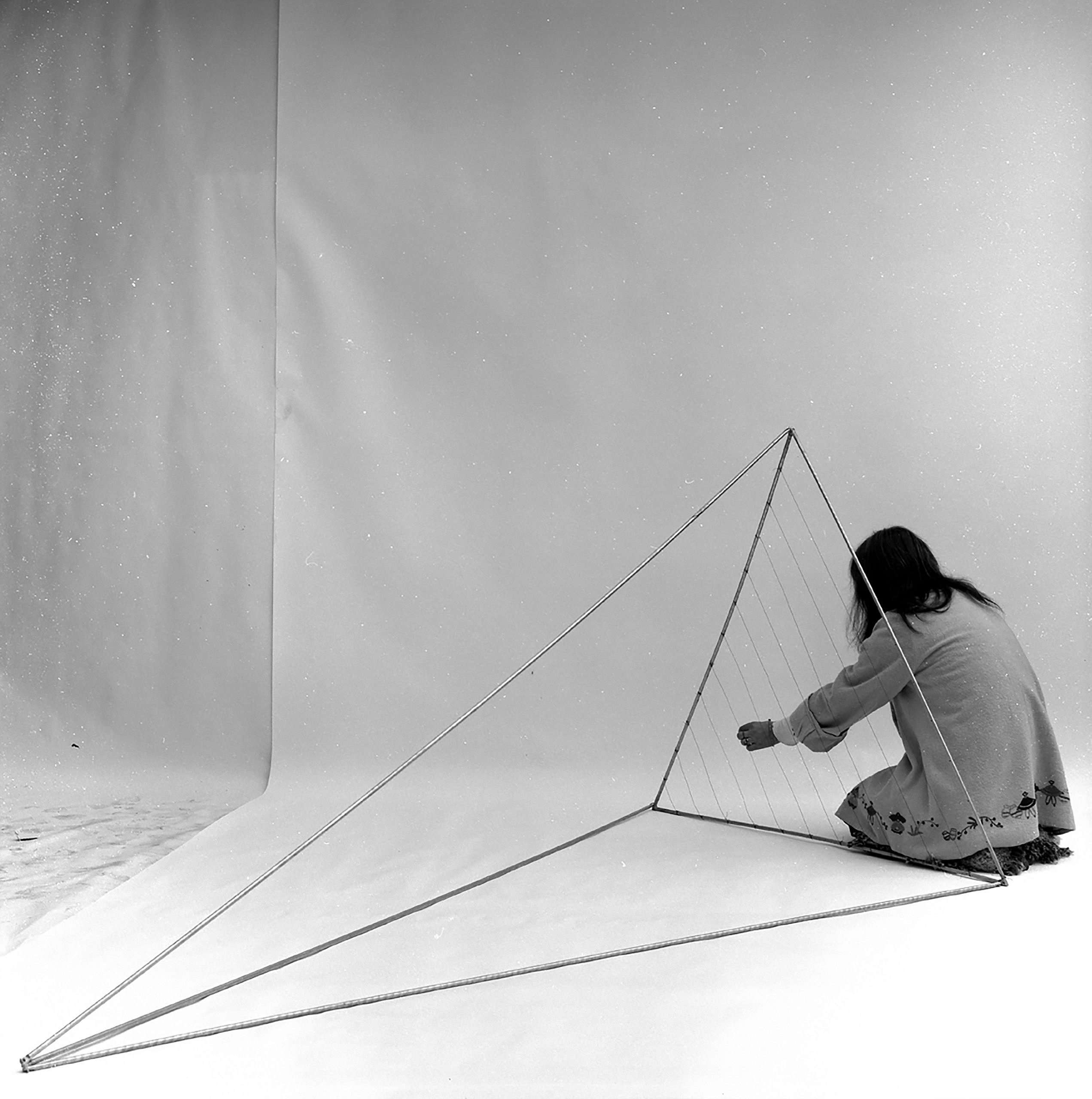
Paolo Pellion di Persano, Marisa Merz, 1973 / Courtesy Castello di Rivoli Museo d’Arte Contemporanea, Rivoli-Torino, CRRI – Centro di Ricerca Castello di Rivoli / Donation by the heirs of Paolo Pellion
The questions raised with this first exhibition and expressed by many different artists are also treated in the second exhibition, Paolo Pellion di Persano. The Simple Story of a Photographer, curated by Marcella Beccaria and Andrea Viliani. We immediately enter in the artist’s world, which is now part of the collection of the museum, thanks to the donation made in 2023 by the heirs of the photographer’s archive. Paolo Pellion, who was a close friend of many Italian artists, portrayed several of them over the years, especially those belonging to the Arte Povera group, some of whom including Giulio Paolini and Mario Merz are also part of the Expanded With exhibition. Connected to his artists friends are also his self-portraits; rare pieces where Paolo engages with the artworks made by them. Striking is the picture that opens the exhibition, an overlap that was a mistake made by Pellion but accepted as a piece of art itself. Paolo used during almost all of his career the optical bench, an old photographic machine that uses plates, but sometimes during the documentation process it could happen that one slate inside the camera is forgotten and reprocessed. The mistake in this case mixes two artworks by two artists, Michelangelo Pistoletto and Gilberto Zorio, summarizing the soul of his practice in a single shot and and shown at Castello di Rivoli.
Alongside his engagement with the artistic scene of his time, Pellion was also connected to the theatre. Through his friendship with Carlo Quartucci he became a photographer/performer documenting his pieces. Through him Pellion met with Rudi Fuchs, who became a lifelong friend and who was to become the first director of Castello di Rivoli calling Pellion himself to document the exhibitions. Presented are his pictures of the inaugural exhibition of the Castello, Ouverture, as well as his personal and never seen series of the Chinese room. The room, part of the Castello di Rivoli, was documented through the years across different artists’ installations and architectural changes, an important document in time on the development of the museum. The photographic series shown at Rivoli also conveys the deep political commitment of Paolo during the years, who also followed the political upheavals and demonstrations across Italy, like the ones connected to the promulgation of divorce in the country. Closing the circle with Exposed is a picture that Pellion took in 2000 of Felix Gonzalez-Torres’ Untitled (Bed) being exhibited in Turin for the first time ever for Quotidiana, a travelling exhibition organized by Castello di Rivoli. Today, after 24 years, the same artwork came back to the city, exhibited by Pinacoteca Agnelli as part of the Exposed program.
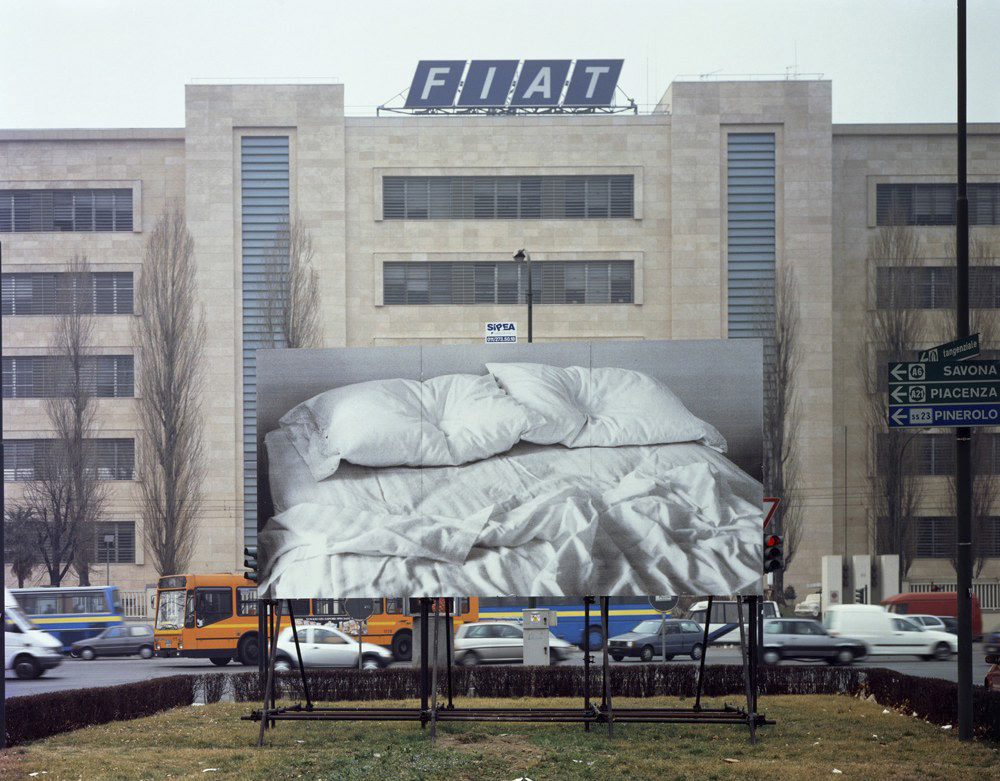
Felix Gonzalez Torres, Untitled, 1991 / in “Quotidiana: The Continuity of the Everyday in 20th Century Art”, Castello di Rivoli, Turin, 5 Feb – 21 May 2000 / Photo Paolo Pellion di Persano © Estate Felix Gonzalez-Torres
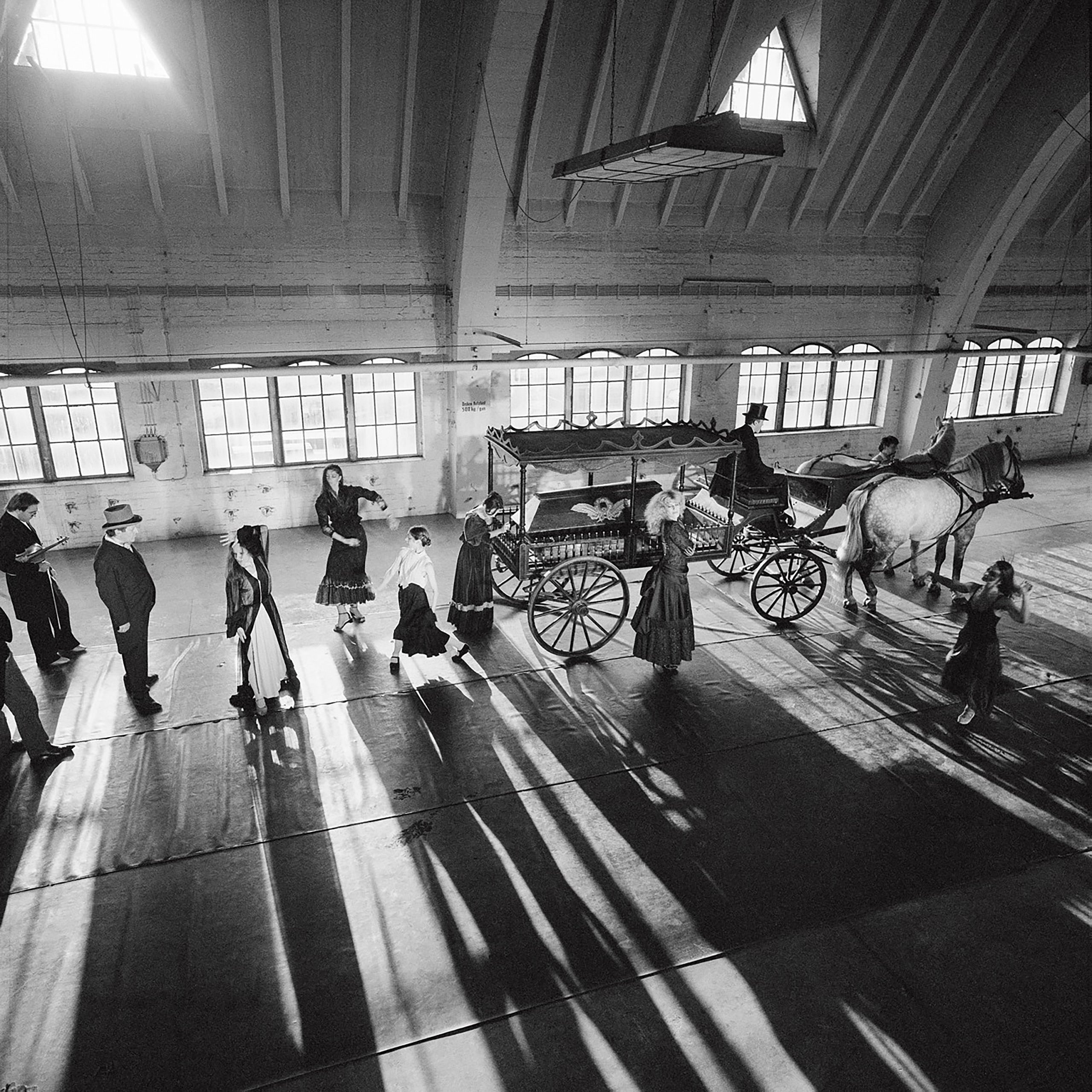
Paolo Pellion di Persano, Funeral, scenic score Carlo Quartucci from an image by Jannis Kounellis, Kassel, 1982 / Courtesy Castello di Rivoli Museo d’Arte Contemporanea, Rivoli-Torino CRRI – Centro di Ricerca Castello di Rivoli / Donation by the heirs of Paolo Pellion
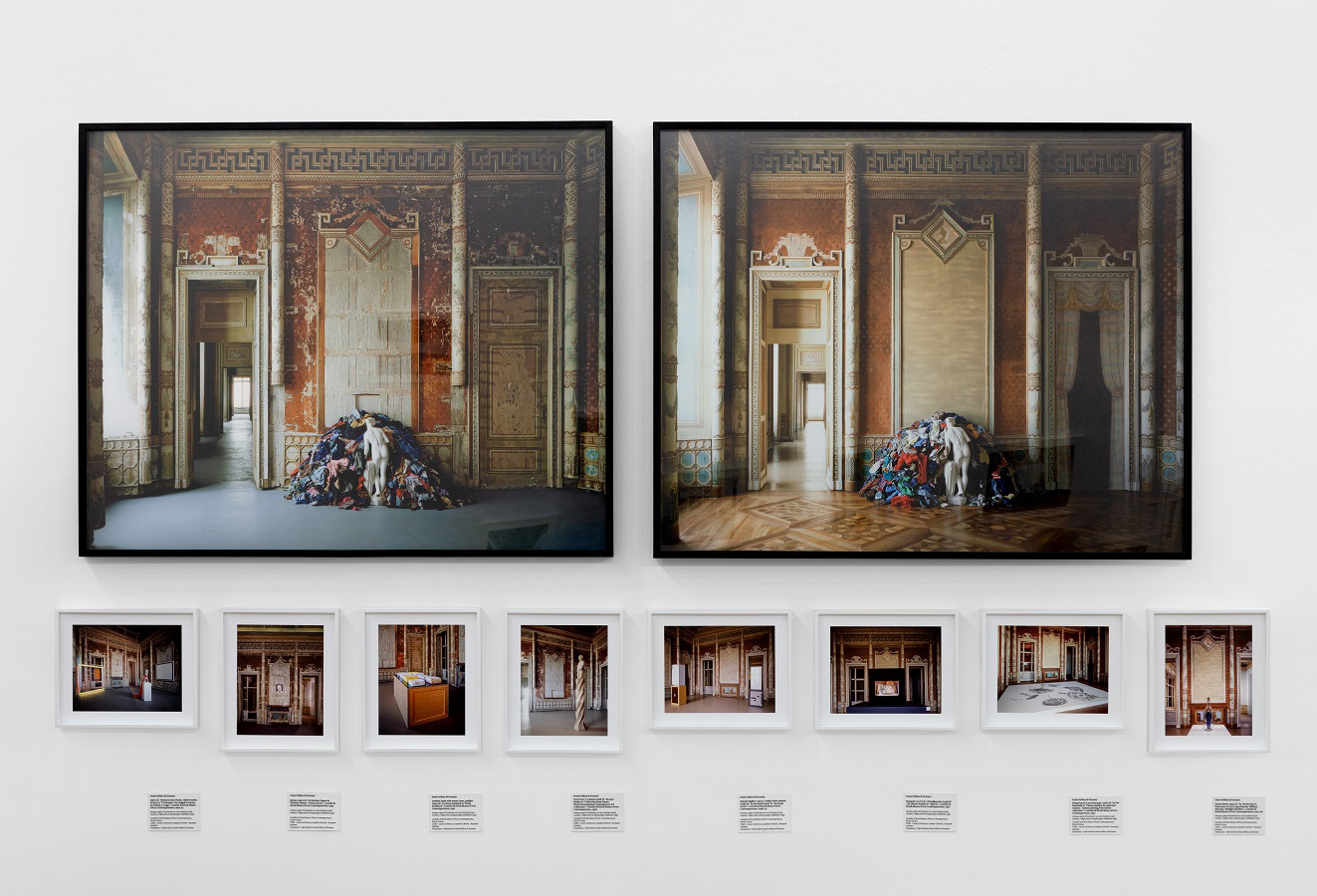
Paolo Pellion di Persano, Chinese Room / photo series / Courtesy Castello di Rivoli Museo d’Arte Contemporanea, Rivoli-Torino CRRI – Centro di Ricerca Castello di Rivoli / Donation by the heirs of Paolo Pellion
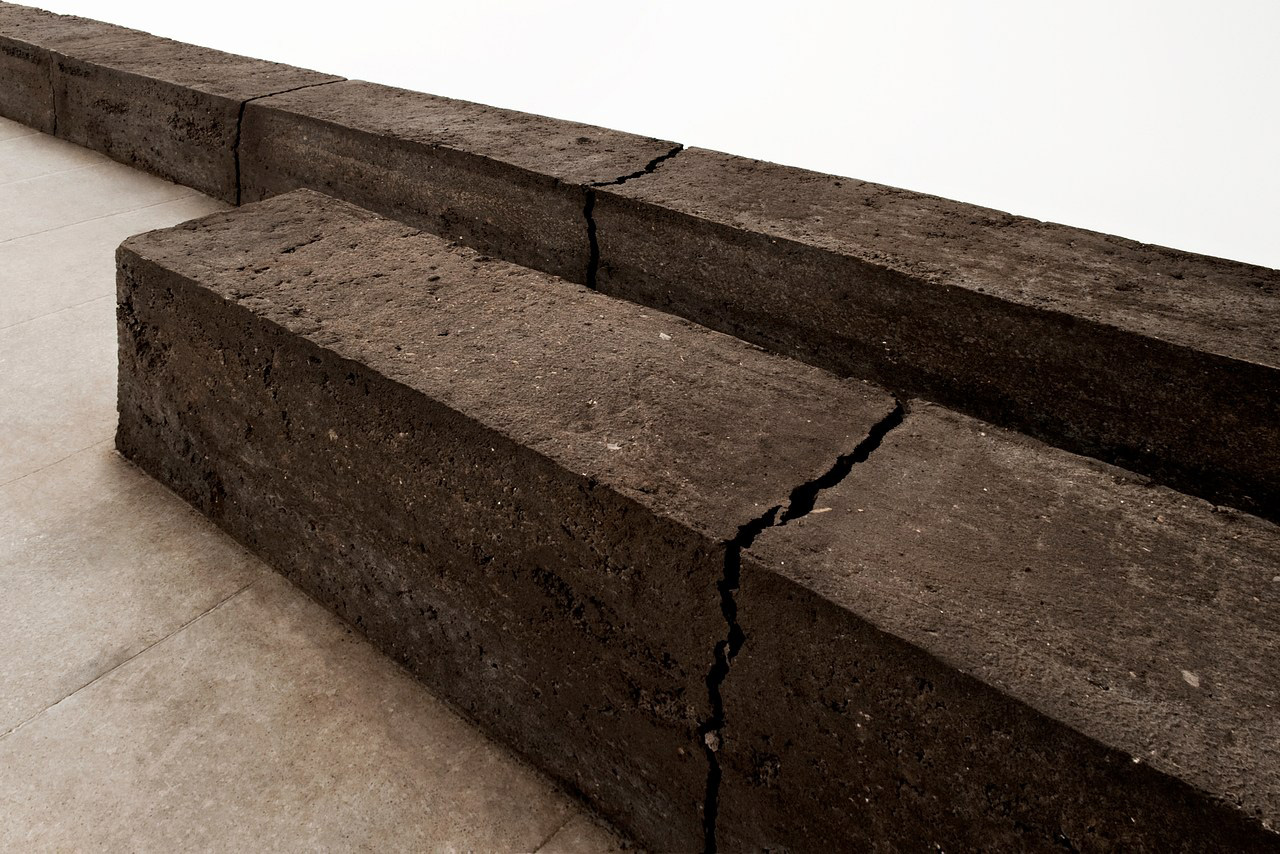
The final exhibition is of the contemporary artist Rossella Biscotti marking her first institutional retrospective in Italy. The exhibition, curated by Marianna Vecellio and shown to us by her assistant curator Rebecca Ricci, traces her practice, from the beginning of it all to Circulations, created for a site-specific intervention at the Castello. This time too, we notice a connection with the other two exhibitions, the same willingness to bring to light many societal and political issues. We start with Cesar, one of her first video projects, portraying an Argentinian friend who ran away from the great economic crisis that happened there, singing Charly García’s song Inconsciente colectivo, which tells of the vulnerability of the human being whose freedom is taken away. Next across the room is the installation of the nuclear disaster in Chernobyl. The sculptures, a sort of minimalist but disturbing pavements, are made of plaques taken from a dismissed nuclear factory, while in the back historical videos of the disaster alternate. Particularly significant is the one by Vladimir Shevchenko, an independent director who was allowed to go there to document, but then mysteriously had his videos stolen. The same use of the sculptural and unsettling element is present in the room following, where The Trial is exhibited. The artwork tells the story of the group of intellectuals and activists connected to Autonomia Operaia and Potere Operaio, who were wrongly accused of terrorism in the Italy in the 80s when the fear of communism had reached unexpected and terrifying levels. The artist took casts of the room when it was dismantled, and recreated this disturbing energy in the museum, along with the voices of the people involved in the trial.
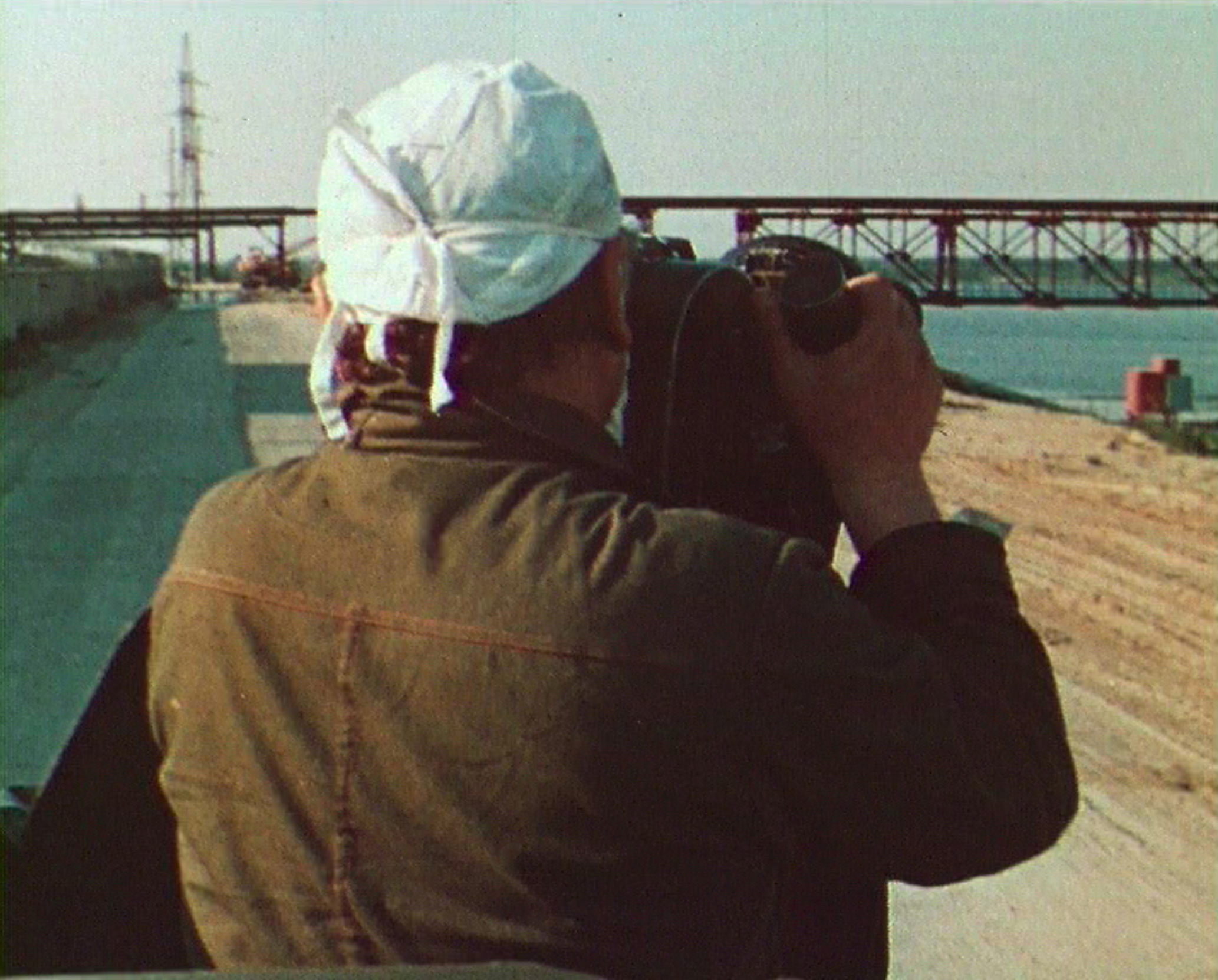
Rossella Biscotti, The Sun Shines in Kiev, 2006 / Editing: Toon de Zoeten / Courtesy of the artist
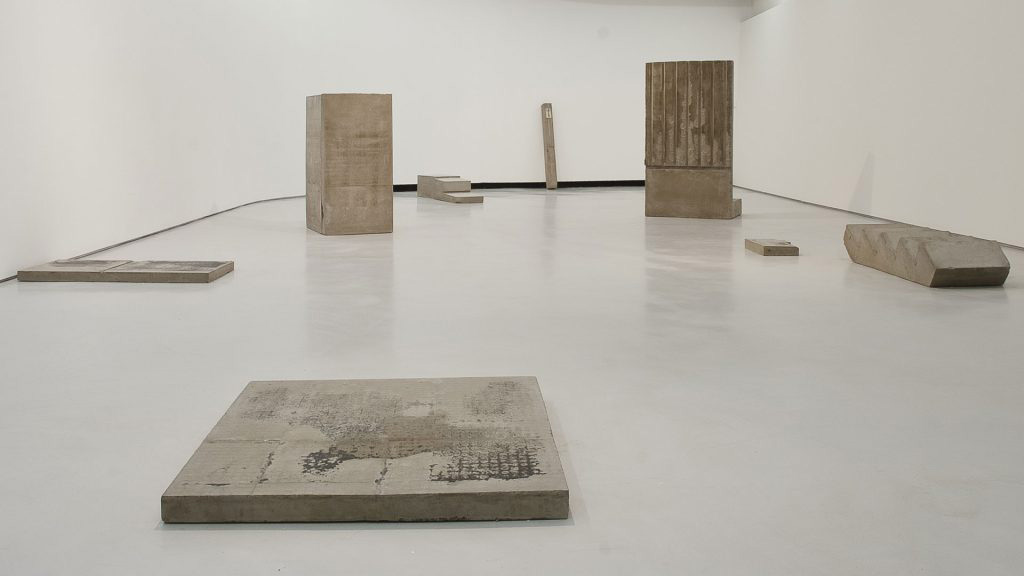
Rossella Biscotti, The Trial, 2010-2020 / Installation view / Maxxi / Photo Sebastiano Luciano
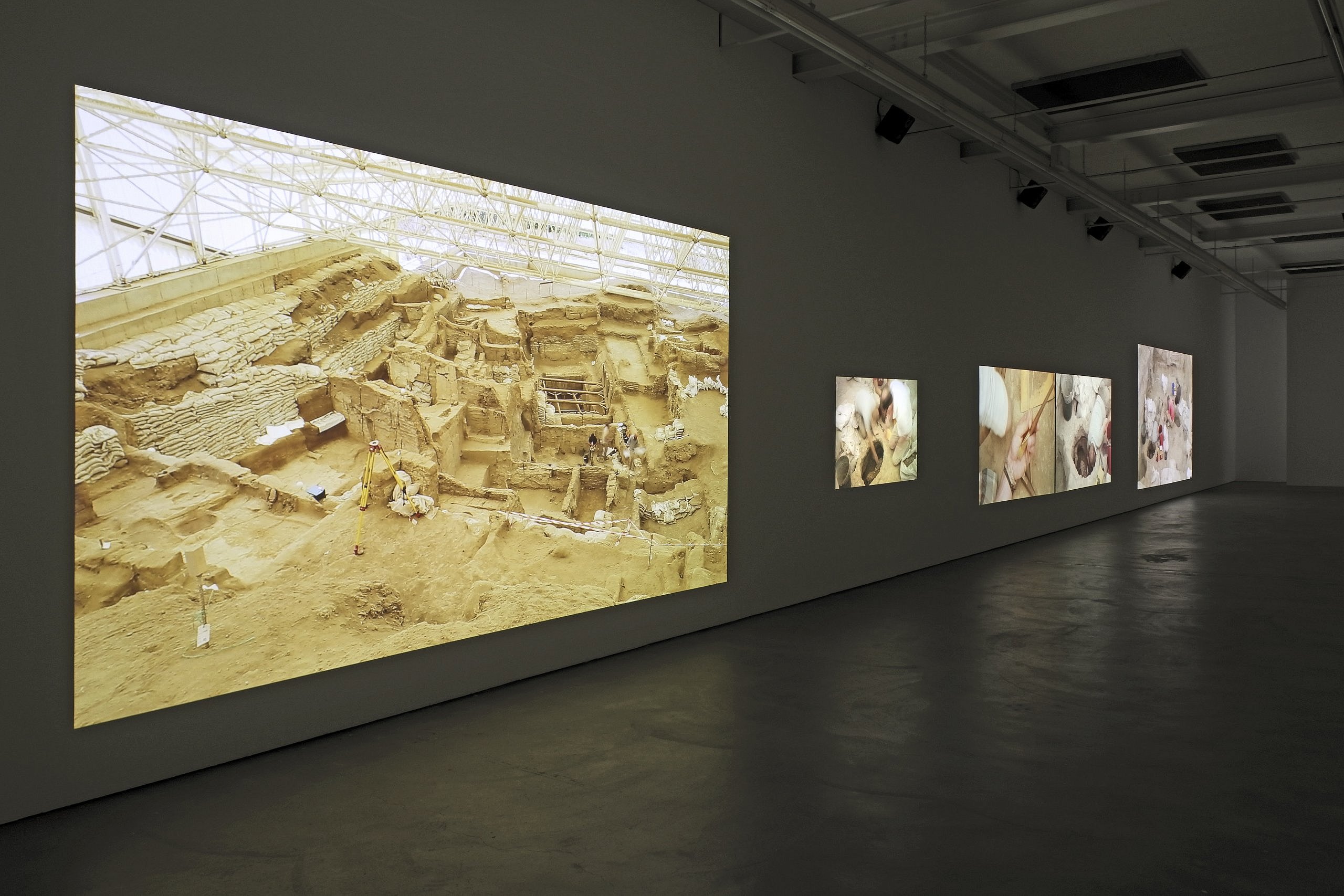
Rossella Biscotti, The City, 2018/ installation view / Produced by Protocinema, Istanbul/NewYork with support from Mondriaan Fund, Amsterdam and NEARCH Project
Arriving in the next room, the works speak of femininity and seclusion. The first piece, made in collaboration with a group of inmate women of the Giudecca prison in Venice, speaks of the importance of dreaming to escape reality, Even the sculptures, made with compost collected by the inmates themselves, project the need to seek liberation. On display across the room is a work dedicated to Clara, an Indian rhinoceros that was chosen as a sort of living piece in the 1800s and brought around the world to be seen. The traumatic experience of the abduction of this animal and a life spent in captivity to entertain the courts of Europe are deeply linked to the other installation sharing the room that uses the book of an Indonesian activist to tell histories of women who did anything they could to resist and break free. Another critical piece is a multi-channel installation about a city in Turkey, Çatalhöyük, where the stratification of humanity and its history is still present and studied. Apparently, in ancient times in Çatalhöyük used to live a society where everyone had equal rights. The contrast with today’s society – a military coup in the area cutting the filming short – brings us back to a harsh reality where all the ideals we hold are threatened every day. These last installations reiterate the underlying points of the three exhibitions, a reminder that humanity is in a precarious place, and that we should always find a way to document, resist and fight back.
Exhibition dates:
Expanded With
May 2 – August 25, 2024
Paolo Pellion di Persano. The Simple Story of a Photographer
April 21 – September 8, 2024
Rossella Biscotti. Title One, I dreamt, Clara and other stories
April 21 – November 24, 2024
Visit the website >